Iran Conflict and Hormuz Closure Deliver Textbook "America First" Energy Triumph
Don't fall for the propaganda. The Military action against Iran is exactly America First.
 Herald Truman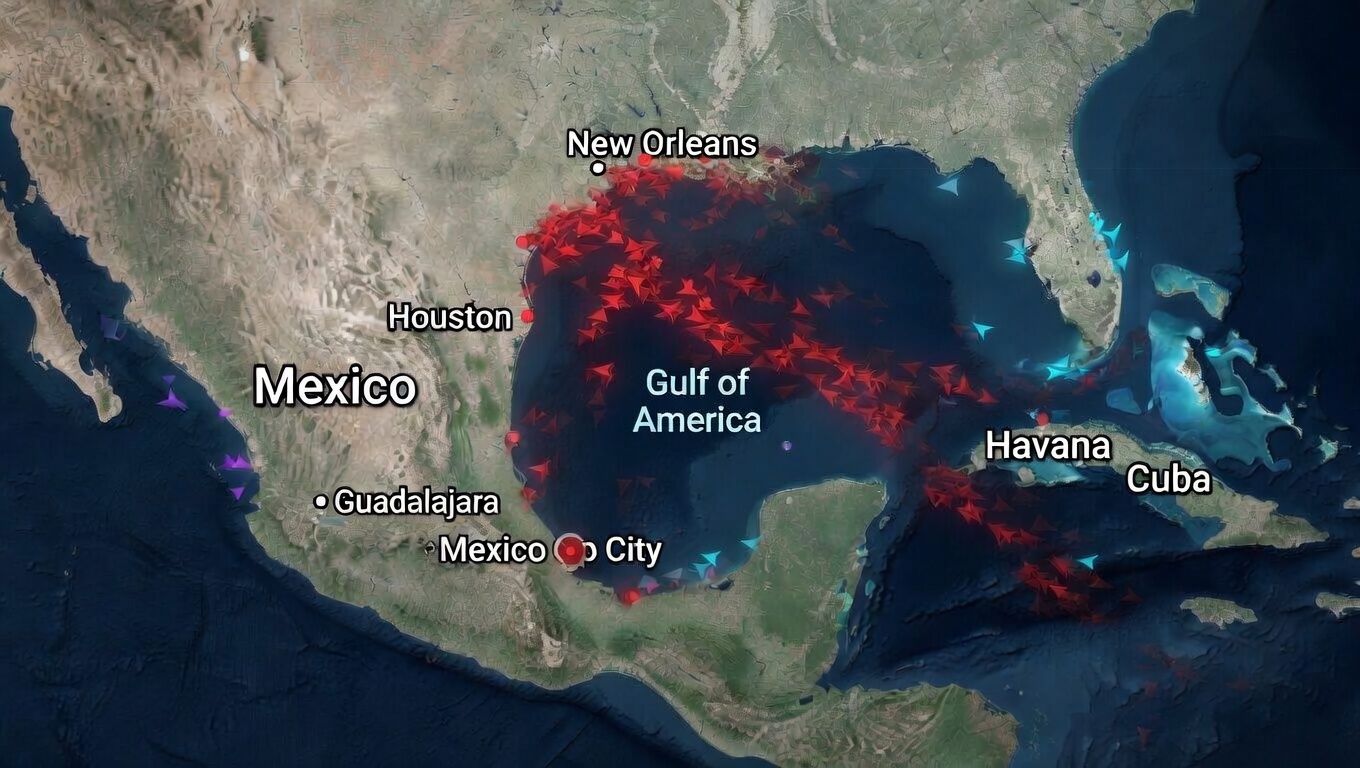
While there are the obvious National Security reasons for President Trump's military action with Iran, it's all part of a larger plan: The realignment of the global energy supply chain to benefit America.
The ongoing Iran conflict has effectively closed the Strait of Hormuz, choking off 11 million barrels per day of Middle East crude—20 percent of global supply. Tankers that once loaded there now divert en masse to U.S. Gulf ports. Over 100 supertankers are loading American oil for export, spiking U.S. production and cementing energy dominance.
Oil prices jumped past $100 per barrel on the shock. Brent hit $120 briefly before settling at $94-110 amid rerouting. WTI crude commands a premium as buyers flock to reliable U.S. supplies. Short-term pain at the pump—gasoline above $4 per gallon—hits American drivers. Yet export revenues surge, boosting domestic producers, jobs, and federal coffers.
This realignment is pure America First. The U.S. no longer begs foreign suppliers or funds adversaries. Domestic shale and Permian output fill the void left by blocked Iranian, Saudi, and Iraqi flows. Energy independence, achieved under prior policies, now pays dividends as the world pays premium prices for U.S. barrels.
Global fallout underscores the win. Asia and Europe face acute shortages. Factories idle. Inflation spikes as energy costs ripple through supply chains. Economists forecast world GDP growth slashed 0.3-1 percent to roughly 2.6 percent this year. Recession risks climb in import-dependent nations. Long-term, they scramble for alternatives—renewables, U.S. LNG, or new pipelines—while America exports more.
U.S. economy absorbs the hit and gains. Higher pump prices sting households short-term. Offsetting that: record crude exports, WTI premium pricing, and energy-sector investment boom. Long-term outlook strengthens. Reduced reliance on hostile regimes shields against future shocks. Global buyers turn to the U.S. as supplier of choice, lifting GDP, trade balance, and strategic leverage. No foreign aid or entanglements required.
Critics once dismissed energy independence as isolationist. Events prove otherwise. When Hormuz shuts, America steps up—not as victim but as victor. Domestic drilling, pipelines, and ports operate at capacity. Tanker queues at Houston and Corpus Christi signal strength, not scarcity.
Policymakers note the lesson: prioritize U.S. production over global pacts. The conflict-driven shift validates America First priorities—secure borders, secure energy, secure economy. Higher short-term costs yield lasting dominance. World economies tighten belts; U.S. fills tanks and wallets.
Analysts project sustained U.S. export gains if disruptions linger. Even on reopening, the realignment sticks. Buyers lock in American contracts for reliability. Energy policy pivots permanently toward domestic sources and allies, away from volatile Middle East chokepoints.
This is no accident of geopolitics. It is the direct result of years building U.S. capacity while others dithered. The Iran-Hormuz crisis exposes vulnerabilities elsewhere and America's edge. Energy dominance is national security. It is economic power. It is America First in action—delivering wins at home while the world realigns around U.S. supply.
Join the Team
Are you trying to break into news writing but struggling to get published at major outlets? At RWT News, we're always looking for talented, motivated writers who share our commitment to straightforward, factual conservative journalism. If you believe in honest reporting and want real experience and bylines, we'd love to hear from you.
Visit our Join the Team page to learn more and contact us directly.