Weekend Escalations Test Fragile Iran Ceasefire as Trump Pushes for Diplomatic Resolution
The sequence began with Israeli airstrikes on Hezbollah strongholds in Beirut’s southern suburbs on Sunday, which Israel described as targeting militant infrastructure in response to prior rocket fire.
 Tommy Flynn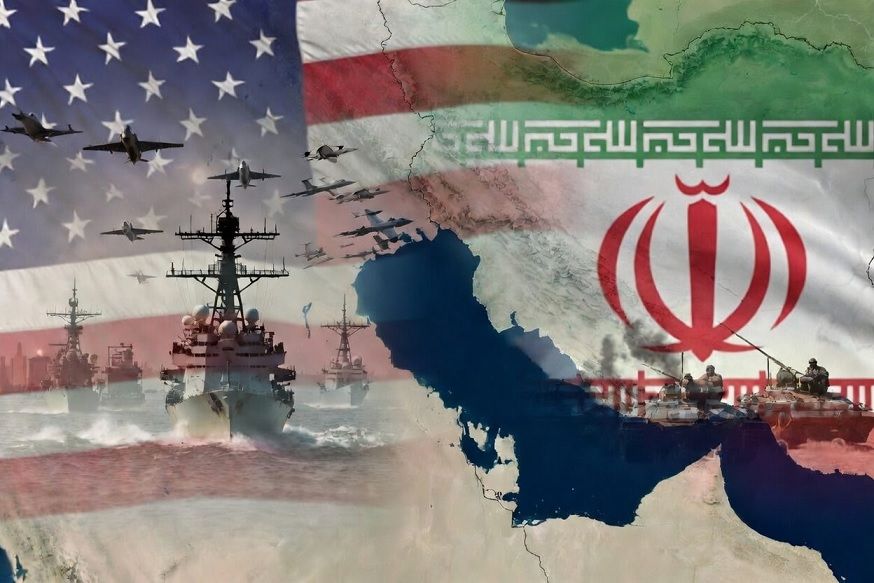
Washington, D.C. – Developments over the June 6-7, 2026 weekend highlighted the precarious nature of the U.S.-brokered ceasefire with Iran, as Israeli actions in Lebanon triggered Iranian missile strikes on Israel—the first direct attack since the April truce—and subsequent Israeli retaliation against Iranian targets, raising concerns about broader regional spillover while President Donald Trump maintained that peace negotiations remain on track.
The sequence began with Israeli airstrikes on Hezbollah strongholds in Beirut’s southern suburbs on Sunday, which Israel described as targeting militant infrastructure in response to prior rocket fire. Hezbollah claimed responsibility for earlier drone attacks on Israeli forces. Iran, viewing the Beirut strikes as a violation of understandings tied to the wider ceasefire framework, launched approximately 10 ballistic missiles toward Israel. Israeli defenses intercepted most, with no reported casualties or significant damage.
In response, Israel conducted airstrikes early Monday on military sites in western and central Iran, including areas near Tehran, Tabriz, and Isfahan. These exchanges marked the most serious breach of the fragile truce established after months of U.S.-Israeli military operations against Iranian nuclear and military facilities that began in late February 2026.
President Trump responded by urging restraint from both sides. He stated he would ask Israeli Prime Minister Benjamin Netanyahu not to escalate further, citing ongoing diplomatic progress with Iran. Trump also engaged in calls with Netanyahu and intermediaries regarding Lebanon, announcing that both Israel and Hezbollah had agreed to de-escalate attacks, with no U.S. troops heading to Beirut.
Despite the flare-up, Trump expressed continued optimism about broader negotiations. He indicated on Truth Social and in public comments that talks with Iran are advancing at a “rapid pace,” with potential for a deal to extend the ceasefire, reopen the Strait of Hormuz for commercial shipping, and address Iran’s nuclear program. Indirect talks, mediated by Oman, Qatar, and Pakistan, have focused on a possible 60-day extension and follow-on nuclear discussions, though no final agreement has been confirmed.
Iranian officials, including Parliament Speaker Mohammad Baqer Qalibaf, threatened U.S. and Israeli targets in response to the Lebanon escalation and the ongoing U.S. naval blockade. Tehran has linked any lasting deal to a comprehensive regional ceasefire, sanctions relief, and security guarantees, while the U.S. insists on verifiable limits on Iran’s nuclear enrichment and ballistic missile activities before major concessions.
The weekend violence underscores persistent challenges: Iran’s support for proxies like Hezbollah, Israel’s determination to neutralize threats in Lebanon (where it has conducted deep incursions), and the difficulty of separating the Iran-Israel track from the U.S.-Iran negotiations. Oil prices rose amid renewed uncertainty over Hormuz shipping, though U.S. coordination with allies has helped maintain partial flows.
Looking ahead, the ceasefire—initially a short-term pause in April and later extended indefinitely—remains intact but strained. Trump has emphasized “peace through strength,” combining military pressure with diplomacy, and has signaled openness to a meeting with Iran’s leadership if a framework is reached. Analysts assess a narrow window for progress in the coming weeks, contingent on containing Lebanon-related violence and bridging gaps on nuclear issues and sanctions.
Failure to stabilize could lead to renewed major strikes, while success might yield a longer-term arrangement limiting Iran’s nuclear ambitions and reopening key shipping lanes. Regional actors, including Gulf states, are watching closely, with many quietly supporting pressure on Tehran. The coming days will test whether weekend clashes derail momentum or serve as a catalyst for renewed urgency in talks.
Support Independent Conservative News
RWTNews is independent conservative news — no corporate backing, no agenda driven by advertisers. We rely entirely on readers like you to keep the lights on and the truth coming. If you've found value in what you read here, consider supporting us with a one-time or monthly contribution. Every dollar goes directly toward keeping this site running and growing.
Secured by Stripe. Your payment info is never stored on our servers.