Voters Approve Photo ID and Citizenship Rules in Most States on Midterm Ballots
Voters in multiple states approved photo ID and citizen-only voting rules on Nov. 3, even as Democrats won key races. Ohio’s measure passed ~65%, North Carolina’s ~60%.
 Tommy Flynn
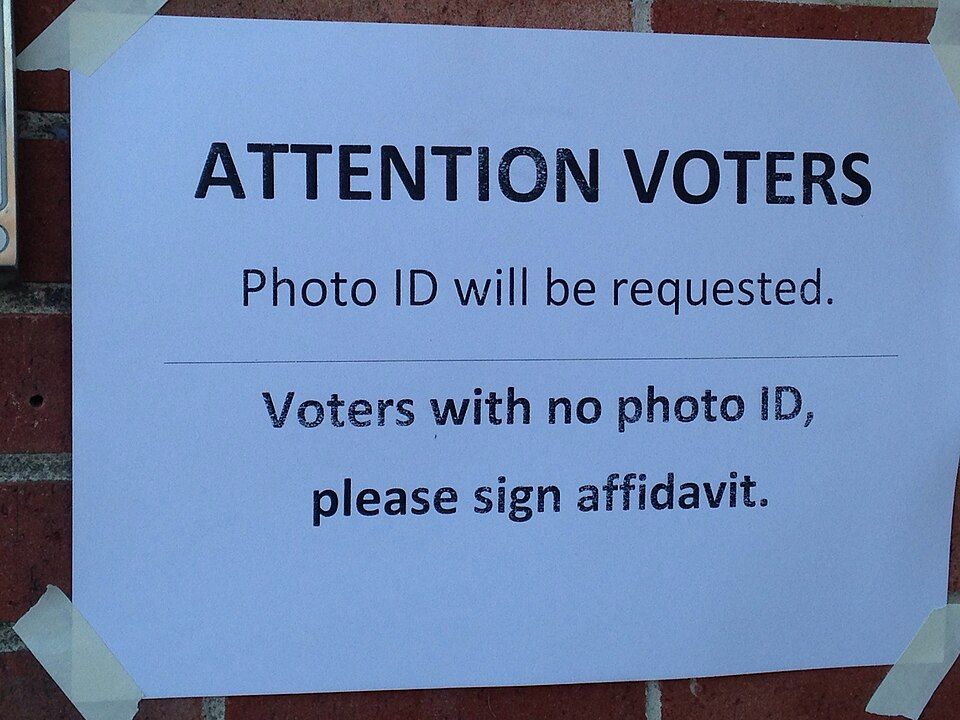
Voters in multiple states approved ballot measures on November 3 that enshrine photo identification requirements or affirm that only U.S. citizens may vote in state elections, according to unofficial tallies reported early Wednesday. The results came on a night when Democrats gained control of both chambers of Congress and won key statewide races in several of the same states.
Ohio and North Carolina delivered the clearest constitutional victories for photo ID. Ohio’s Issue 3 passed with roughly 65.3 percent support. Ballotpedia reported 2,934,245 yes votes (65.33 percent) against 1,556,864 no votes with 95 percent of precincts reporting. The legislatively referred amendment moves the state’s existing photo ID requirement—already in statute since 2023—into the constitution. In-person voters must present an unexpired government-issued photo ID from a specified list that includes an Ohio driver’s license or state ID, a U.S. passport or passport card, or certain military, National Guard, or Veterans Affairs cards. Absentee and mail voters must provide a photo ID or a signature plus at least one other unique identifier authorized by state law. The measure takes effect immediately and raises the threshold for future changes, which would require another statewide vote.
North Carolina’s photo ID amendment passed with approximately 59.6 percent support. Ballotpedia listed 2,463,276 yes votes (59.60 percent) to 1,669,764 no votes with all precincts reporting. The amendment extends the state’s existing constitutional photo ID requirement—approved for in-person voting in 2018—to all voting methods, including mail and absentee ballots. State law already required identification for mail voting; the change places the broader rule beyond the reach of a simple future statute. It takes effect upon certification of results, scheduled for November 24. North Carolina voters also approved two other amendments on the same ballot, one capping the state income tax rate at 3.5 percent and another directing the legislature to enact limits on local property tax levies.
Nevada’s Question 7 also passed. The measure requires government-issued photo identification for in-person voting and the last four digits of a driver’s license or Social Security number (or a number provided by the county clerk) for mail ballots. Under Nevada’s rules for constitutional amendments, it must win a second approval in a future election before taking effect. Oklahoma voters had already approved a similar constitutional measure (State Question 846) in the August primary, requiring proof of identity for both in-person and mail voting.
Measures that would have created or expanded identification requirements failed elsewhere. California’s Proposition 39, which would have required government-issued identification for in-person voting and the last four digits of an identification number for mail ballots, was defeated. Colorado’s Amendment 84, which would have required both a signature and an identification number on mail ballots, also failed. Arizona’s Proposition 144, a broader package that included government-issued identification for all voting methods along with a citizenship requirement and other election changes, was defeated.
Separate measures affirming that only U.S. citizens may vote in state and local elections passed in Alaska, Arkansas, Kansas, South Dakota, and West Virginia. Most of these were constitutional amendments; Alaska’s was a statutory change. None of those states currently allows noncitizens to vote in state elections. Arizona’s citizenship provision was part of the defeated Proposition 144 package.
The outcomes occurred alongside Democratic gains. In Ohio, Democrat Sherrod Brown defeated Republican Jon Husted in the U.S. Senate race, and Democrats won several statewide offices. In North Carolina, Democrat Roy Cooper defeated Republican Michael Whatley in the U.S. Senate race. Nevada also saw Democratic success in the gubernatorial contest. Public polling has long shown broad support for photo identification requirements across party lines.
Support Independent Conservative News
RWTNews is independent conservative news — no corporate backing, no agenda driven by advertisers. We rely entirely on readers like you to keep the lights on and the truth coming. If you've found value in what you read here, consider supporting us with a one-time or monthly contribution. Every dollar goes directly toward keeping this site running and growing.
Secured by Stripe. Your payment info is never stored on our servers.