USDA Moves to Reopen Southern Border to Mexican Cattle Imports in Bid to Ease Rising Beef Prices
USDA will reopen the Douglas, Arizona border port to Mexican cattle on August 24 after a yearlong New World screwworm ban, with more New Mexico ports to follow in a bid to ease elevated U.S. beef prices.
 Tommy Flynn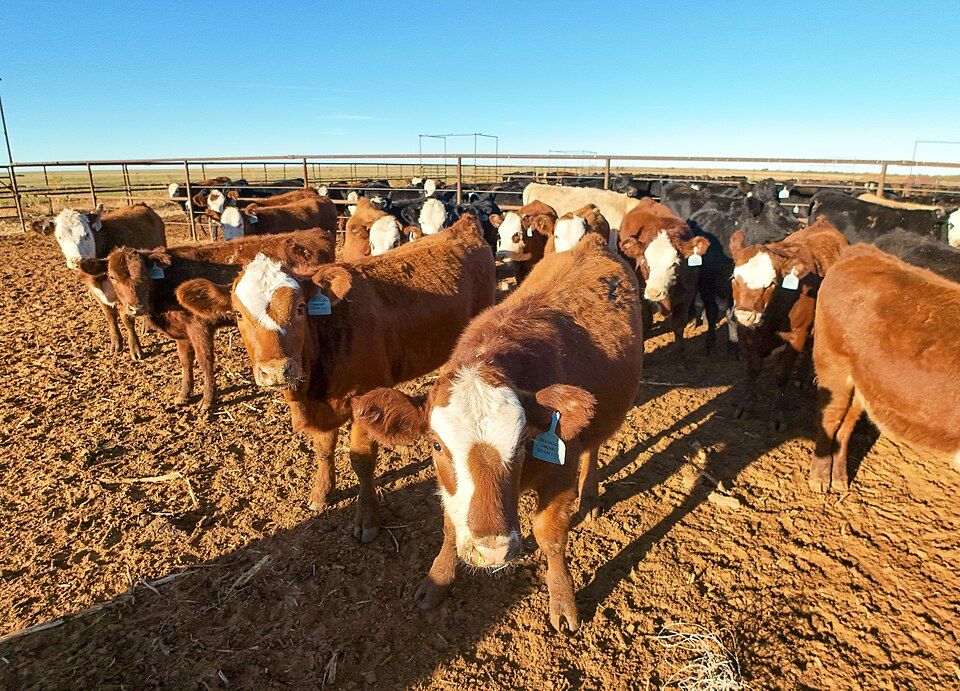
The U.S. Department of Agriculture announced Friday a phased reopening of key southern ports to live cattle imports from Mexico, a step officials say is now safe after more than a year of restrictions aimed at containing the New World screwworm parasite and one that could help moderate elevated beef prices driven in part by tighter livestock supplies.
Agriculture Secretary Brooke Rollins said the Douglas, Arizona, port of entry will reopen to cattle trade on August 24, followed by evaluations that could allow subsequent openings at the Columbus and Santa Teresa ports in New Mexico later in September, provided conditions continue to improve. Only cattle and bison born and raised in the Mexican states of Sonora or Chihuahua, or those treated under strict USDA screwworm protocols before entering those states, will be eligible in the initial phase. Every animal will undergo full inspection at the border, including passage through a disinfectant dip vat.
The restrictions began in November 2024 after detection of New World screwworm, a flesh-eating parasitic fly, in southern Mexico. The pest, eradicated from the United States decades earlier, had advanced northward, prompting repeated border closures to protect American herds. A limited number of cases later appeared in Texas and one involving a dog in New Mexico. Rollins described the prolonged closure as a difficult but necessary measure that bought time for enhanced surveillance, expanded sterile-fly production facilities, and improved binational cooperation to push the parasite southward.
“Protecting the United States from NWS and pushing this pest out of Mexico and back to the Darien Gap is a top priority at USDA and has the full attention of the Trump administration,” Rollins said. She noted that the situation is now sufficiently controlled to resume the longstanding cross-border cattle trade under the new safeguards.
Mexico has historically shipped roughly one million calves annually into the United States, accounting for about 5 percent of cattle processed domestically. The extended halt contributed to tighter feeder-cattle supplies, particularly in the Southwest, and coincided with sharp increases in retail beef prices. Through June, average ground-beef prices reached $6.83 per pound, up more than 11 percent from the prior year, while USDA Choice sirloin steak averaged $14.45 per pound, also up nearly 12 percent.
Meat industry representatives have described the reopening as one of the more immediate tools available to ease price pressure by restoring supply. Some U.S. cattle producers and groups such as R-Calf, however, have urged caution, arguing the border should remain closed until the parasite is fully eradicated from Mexico to eliminate any residual risk to domestic herds.
The decision reflects a calculated balance between animal-health protections and market realities. With sterile-fly programs expanding and Mexican authorities implementing tighter movement controls in northern states, USDA officials concluded the residual risk at the initial ports is low enough to proceed. Further openings in Texas will depend on neighboring Mexican states adopting equivalent protocols.
If the phased approach proceeds as planned, the return of Mexican feeder cattle later this summer and fall could begin to ease some of the supply constraints that have helped push beef prices higher, offering potential relief to consumers while testing the effectiveness of the enhanced border safeguards.
Join the Team
Are you trying to break into news writing but struggling to get published at major outlets? At RWT News, we're always looking for talented, motivated writers who share our commitment to straightforward, factual conservative journalism. If you believe in honest reporting and want real experience and bylines, we'd love to hear from you.
Visit our Join the Team page to learn more and contact us directly.