US to Withdraw All Troops from Iraq by September 30, Ending 23-Year Military Presence
Trump stated the U.S. no longer needs a military footprint in Iraq, citing improved security and growing commercial ties.
 Tommy Flynn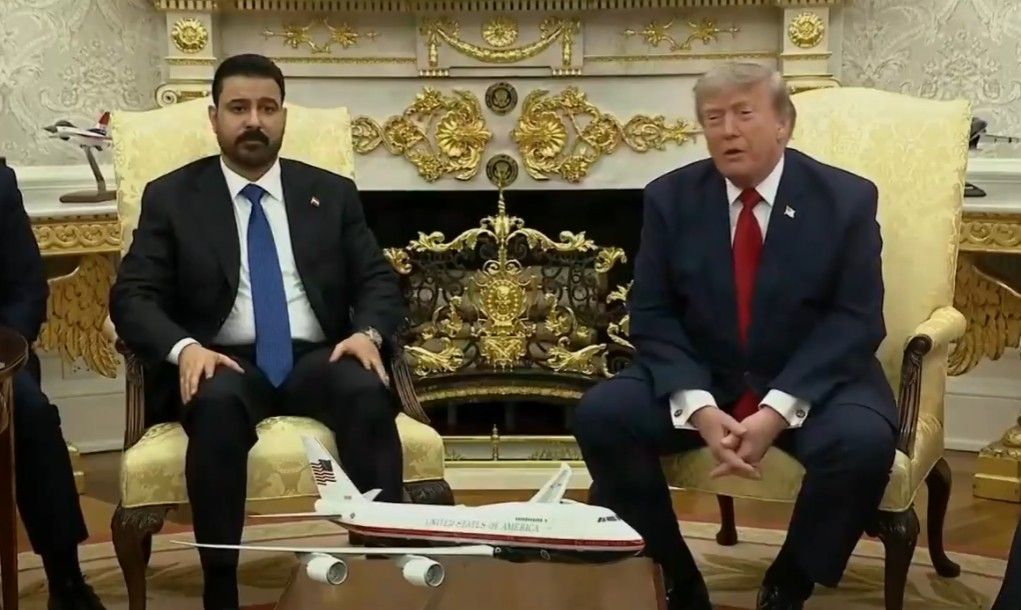
The United States will complete its military withdrawal from Iraq by September 30, concluding a 23-year presence that began with the 2003 invasion and evolved into operations against the Islamic State group. President Donald Trump announced the move alongside Iraqi Prime Minister Ali al-Zaidi at the White House, emphasizing a shift from military to economic cooperation.
Trump stated the U.S. no longer needs a military footprint in Iraq, citing improved security and growing commercial ties. "We don't think we need the military there anymore," he said. "The relationship is a whole big relationship where we don't need the military. We're there to help them. We're there to protect them if need be. But we don't think that's going to be necessary."
Al-Zaidi confirmed U.S. forces would exit by the deadline while American companies expand operations in Iraq's energy sector. The Pentagon reaffirmed a prior agreement to end the anti-IS mission, with most troops already departed. Remaining personnel focused on training and advising Iraqi forces.
The withdrawal aligns with Trump's long-standing goal of ending endless foreign engagements. The 2003 invasion targeted Saddam Hussein over weapons of mass destruction claims later proven faulty. U.S. troop levels peaked at over 170,000 during counterinsurgency. Forces largely withdrew by 2011, only to return in 2014 against IS. Coalition operations against the group ended in 2021, leaving a smaller advisory presence.
Iraqi forces have assumed greater responsibility for security, reducing reliance on U.S. support. The decision reflects confidence in Iraq's capabilities and prioritizes economic partnerships over prolonged military involvement. Trump highlighted opportunities for U.S. firms in oil and infrastructure, potentially creating American jobs while aiding Iraq's stability.
The move comes amid broader regional shifts, including progress against Iranian-backed threats. It fulfills campaign commitments to refocus U.S. resources domestically while maintaining readiness to respond if needed. Critics of prolonged engagements praised the timeline, viewing it as pragmatic realism after two decades of commitment.
As the final withdrawal approaches, the transition underscores a new chapter in U.S.-Iraq relations centered on commerce rather than combat. Officials expect the September 30 deadline to mark the end of the American military chapter in Iraq.
Join the Team
Are you trying to break into news writing but struggling to get published at major outlets? At RWT News, we're always looking for talented, motivated writers who share our commitment to straightforward, factual conservative journalism. If you believe in honest reporting and want real experience and bylines, we'd love to hear from you.
Visit our Join the Team page to learn more and contact us directly.