U.S. Sanctions International Criminal Court Itself After Nobel Award to Former Judge
The U.S. sanctioned the International Criminal Court as an institution hours after former judge Navi Pillay won the Nobel Peace Prize. Rubio said the court ends its threats or the U.S. ends the court.
 Tommy Flynn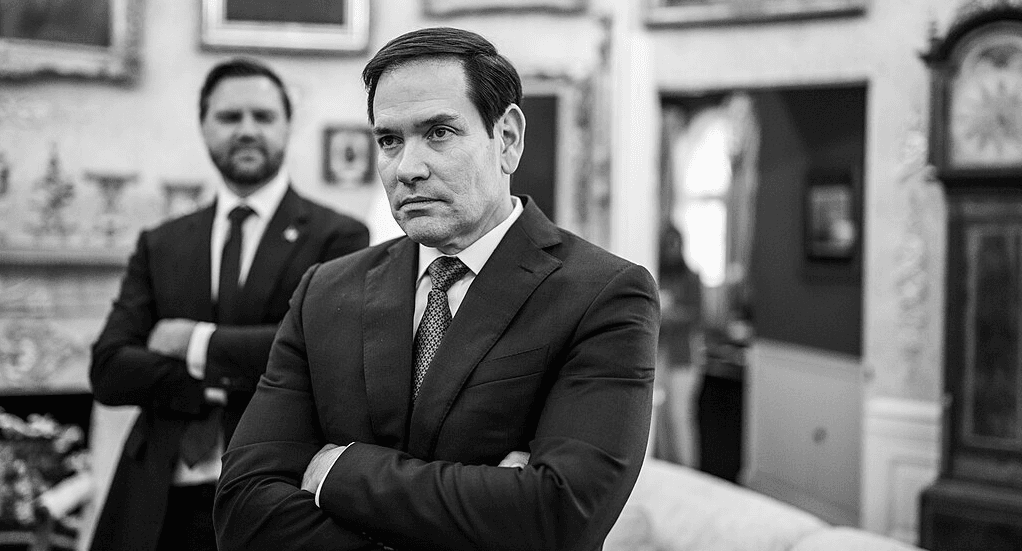
The Trump administration imposed sanctions on the International Criminal Court as an institution on Friday, hours after former ICC judge Navi Pillay was awarded the 2026 Nobel Peace Prize.
Secretary of State Marco Rubio said the measures will ban transactions with the court, cut off its resources, and cripple its ability to operate. “President Trump will never allow the International Criminal Court to prosecute Americans,” Rubio stated. “Either the ICC will end its threats, or we will end the ICC.” The United States has previously sanctioned individual ICC officials; Friday’s action designates the court itself under Executive Order 14203.
Treasury general licenses provide a 180-day wind-down period for certain maintenance, IT, pension, and related transactions. The ICC condemned the step as an assault on the rule of law and said it will continue its work. The administration has cited the court’s past Afghanistan investigation and its arrest warrants for Israeli officials as justification. The U.S. is not a party to the Rome Statute.
Join the Team
Are you trying to break into news writing but struggling to get published at major outlets? At RWT News, we're always looking for talented, motivated writers who share our commitment to straightforward, factual conservative journalism. If you believe in honest reporting and want real experience and bylines, we'd love to hear from you.
Visit our Join the Team page to learn more and contact us directly.