U.S. Renews Airstrikes on Iran in Response to Apache Helicopter Downing, Sparking Fresh Escalation
The developments come after months of U.S.-led pressure, including a naval blockade of Iranian ports, strikes on military infrastructure, and efforts to escort commercial vessels through the vital chokepoint, which handles roughly one-fifth of global oil supplies.
 Tommy Flynn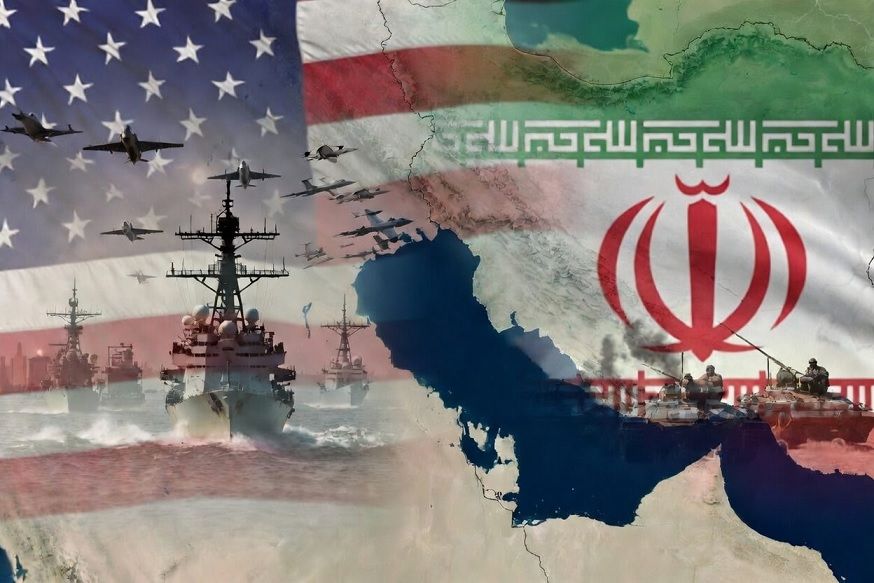
Washington, D.C. – The United States launched a new round of airstrikes against multiple targets in Iran on June 10, 2026, in direct response to the reported Iranian drone downing of a U.S. Army AH-64 Apache helicopter near the Strait of Hormuz the previous day. The strikes mark a significant escalation amid a fragile ceasefire and stalled peace negotiations.
U.S. Central Command confirmed the operation targeted Iranian military surveillance capabilities, communication systems, and air defense sites, primarily in southern coastal areas near the Strait of Hormuz. Explosions were reported in locations including Minab, Sirik, Bandar Abbas, and areas near Tehran. The strikes were carried out by U.S. Air Force, Marine, and Navy assets, with video released showing precision munitions from naval platforms.
The action followed President Donald Trump’s public attribution of the Apache incident to Iran and his warning that Tehran would “pay the price” for delaying a comprehensive deal. Trump described the renewed strikes as necessary self-defense and proportional response. Iran denied responsibility for the helicopter downing but quickly retaliated, announcing the complete closure of the Strait of Hormuz to all vessels, including oil tankers and commercial shipping. Iranian forces reportedly targeted two vessels attempting to transit the waterway.
Iran’s military command declared the ceasefire “practically meaningless” and launched additional strikes on U.S. interests and Gulf allies, with reports of attacks targeting sites in Bahrain, Kuwait, and Jordan. U.S. officials disputed Iran’s claim of a full strait closure, stating commercial ships continued transiting with U.S. coordination and guidance.
The developments come after months of U.S.-led pressure, including a naval blockade of Iranian ports, strikes on military infrastructure, and efforts to escort commercial vessels through the vital chokepoint, which handles roughly one-fifth of global oil supplies. Oil prices spiked in response to the renewed hostilities and threats to shipping.
Negotiations, mediated indirectly through Oman and others, had shown some progress toward extending the ceasefire, reopening the strait, and addressing Iran’s nuclear program. However, Trump has grown increasingly impatient with Tehran’s delays, emphasizing that any deal must verifiably eliminate Iran’s nuclear breakout capability and restore safe navigation. Iranian officials have accused the U.S. of excessive demands and using military force to coerce concessions.
As of June 11, the situation remains fluid. U.S. officials have indicated further strikes are possible if Iran does not return to serious talks, while Iran has vowed continued resistance. The latest exchanges have heightened concerns over broader regional spillover involving proxies like Hezbollah and potential impacts on global energy markets.
This renewed kinetic phase underscores the precarious balance between military pressure and diplomacy in the Trump administration’s approach to containing Iranian threats. Further updates are expected as both sides assess the damage and recalibrate their positions.
Join the Team
Are you trying to break into news writing but struggling to get published at major outlets? At RWT News, we're always looking for talented, motivated writers who share our commitment to straightforward, factual conservative journalism. If you believe in honest reporting and want real experience and bylines, we'd love to hear from you.
Visit our Join the Team page to learn more and contact us directly.