US Reinstates Blockade on Iran in Strait of Hormuz, Announces Fees for Securing Vital Shipping Lane
Trump stated on social media that the blockade would specifically stop Iranian ships and their customers from using the strait, while ensuring fair and open access for all other nations.
 Tommy Flynn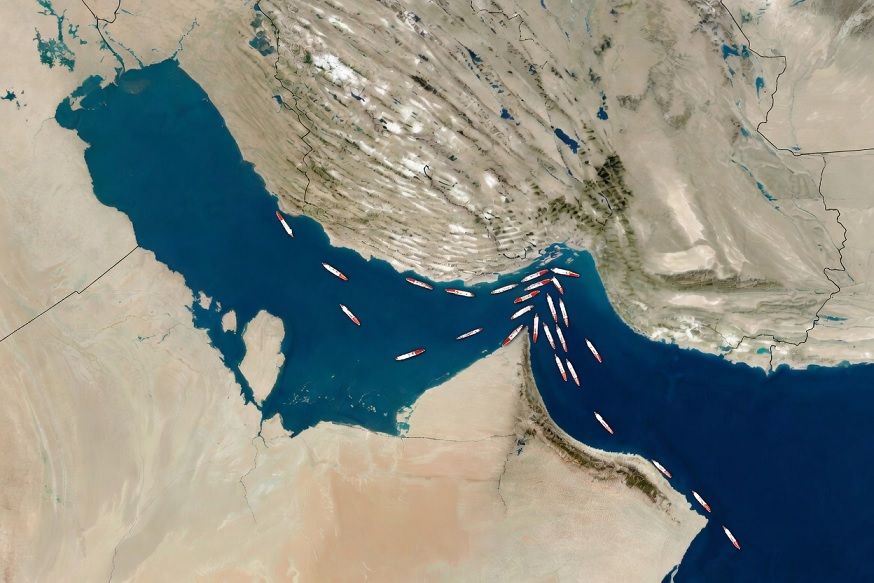
President Donald Trump announced Monday that the United States is reinstating a targeted blockade on Iran within the Strait of Hormuz while preparing to charge ships for safe passage through the critical waterway. The move follows repeated Iranian attacks on commercial vessels and comes amid stalled efforts to secure a lasting ceasefire in the ongoing conflict.
Trump stated on social media that the blockade would specifically stop Iranian ships and their customers from using the strait, while ensuring fair and open access for all other nations. He proposed a 20 percent reimbursement on cargo shipments to cover U.S. costs for maintaining security in the volatile region. “We are reinstating the THE IRANIAN BLOCKADE, so named because it is only stopping Iran’s ships or customers from entering or leaving,” Trump wrote. “All other countries will have fair and open use of the Strait.”
The announcement reflects frustration with Iran’s actions, including a recent strike on a container ship that prompted the latest U.S. military response. The strait, which handles roughly one-fifth of global oil and natural gas transit, has been a flashpoint since the war began. Iran has asserted greater control and threatened fees, but the U.S. maintains international law supports freedom of navigation.
U.S. forces have conducted multiple rounds of strikes on Iranian targets to degrade capabilities threatening civilian mariners. Two carrier strike groups remain positioned nearby, supporting operations to protect alternative routes along Oman’s coast. Trump emphasized that the fees would offset expenses for providing safety amid Iranian provocations.
The decision comes as mediators continue pushing for a permanent end to hostilities, now halfway through a 60-day negotiating window. Iran has blamed the U.S. for escalating tensions and vowed to defend its interests. Markets reacted with oil price fluctuations, underscoring the strait's economic importance.
Trump's approach prioritizes American leverage to counter Iranian aggression while keeping the waterway functional for global commerce. The blockade and fee structure aim to shift costs of security onto users benefiting from U.S. protection, reinforcing a policy of strength in response to threats. As negotiations face challenges, the U.S. position signals resolve to safeguard shipping lanes essential to energy security and the world economy.
Join the Team
Are you trying to break into news writing but struggling to get published at major outlets? At RWT News, we're always looking for talented, motivated writers who share our commitment to straightforward, factual conservative journalism. If you believe in honest reporting and want real experience and bylines, we'd love to hear from you.
Visit our Join the Team page to learn more and contact us directly.