U.S. Pauses Strikes on Iran as Trump Signals Preference for Renewed Negotiations
After 13 straight nights of U.S. airstrikes, Trump has paused further attacks on Iran and signaled that active talks with Tehran may be the better path—while warning the military option remains fully loaded if diplomacy fails.
 Tommy Flynn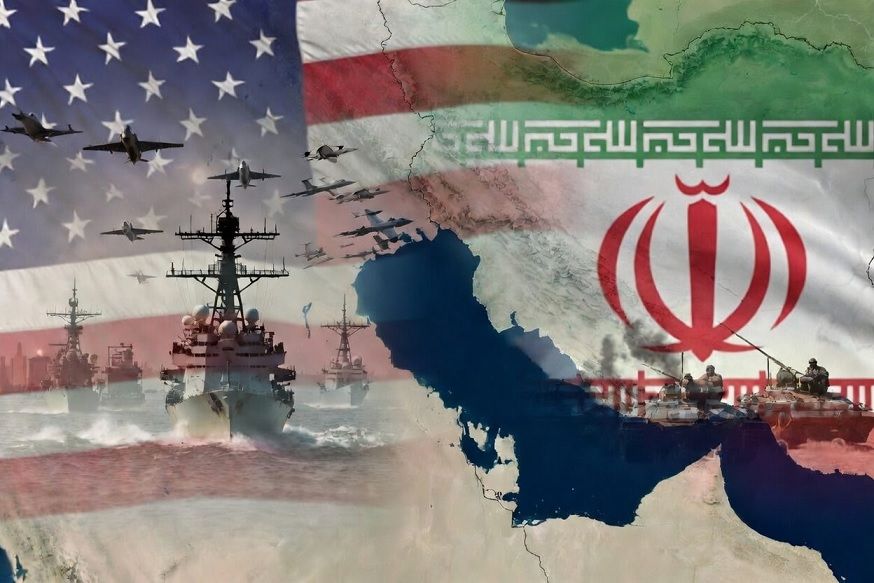
The United States has temporarily halted airstrikes against Iran after a sustained period of nightly operations, with President Donald Trump indicating a clear preference for advancing diplomatic talks over further military escalation at this stage of the prolonged conflict.
As of Sunday, American forces had refrained from launching a new round of attacks for another night, marking a pause following nearly two weeks of consecutive bombardments. Pentagon planners had prepared options for continued strikes, but the president declined to authorize the next wave. Trump has stated that discussions with Iranian representatives are actively underway and that Tehran appears to be approaching the talks with increasing seriousness. He has framed the current moment as one in which Iran faces a choice: pursue a negotiated resolution or confront the prospect of strikes at a significantly higher intensity.
The decision to hold fire comes amid a complex and fluid battlefield situation that has stretched across months. Earlier phases of the conflict saw intense exchanges centered on the Strait of Hormuz, Iranian military infrastructure, and responses to attacks on commercial shipping and regional positions. Iran-aligned Houthi forces have also conducted operations against targets in Saudi Arabia, adding further layers of regional risk. Iranian officials have warned that continued U.S. air campaigns could prompt a geographic expansion of the fighting and have maintained that no purely military solution exists. Tehran has simultaneously engaged in discussions with Oman aimed at establishing practical mechanisms for shipping through contested waters.
Trump has repeatedly underscored that negotiations remain an available path. In recent comments he noted that the United States is “talking to them right now” and assessed that Iranian counterparts are growing more earnest, while reserving the option of escalated force if diplomacy stalls. Senior administration figures, including Vice President JD Vance and top military leaders, have participated in internal discussions weighing the risks of broader escalation against the potential benefits of sustained pressure paired with dialogue.
The pause has revived cautious hopes among some observers that a window for meaningful talks could reopen after earlier diplomatic efforts were repeatedly disrupted by renewed fighting. Previous memoranda of understanding and ceasefire understandings proved fragile, collapsing amid mutual accusations of violations involving shipping attacks, proxy actions, and retaliatory strikes. Iranian Foreign Minister Abbas Araghchi has publicly offered to facilitate related discussions, including between the Houthis and Saudi Arabia, while insisting Iran cannot be held solely responsible for the cycle of escalation.For the Trump administration, the current hold on operations reflects a calculated preference for testing Iranian seriousness at the negotiating table while retaining the full range of military options. Whether the pause extends into a more durable diplomatic opening or proves temporary will depend on concrete progress in the talks and on Tehran’s willingness to address core U.S. concerns regarding shipping security, regional proxies, and longer-term strategic behavior. As the conflict approaches the five-month mark, the balance between force and negotiation remains the central dynamic shaping the next phase.
Join the Team
Are you trying to break into news writing but struggling to get published at major outlets? At RWT News, we're always looking for talented, motivated writers who share our commitment to straightforward, factual conservative journalism. If you believe in honest reporting and want real experience and bylines, we'd love to hear from you.
Visit our Join the Team page to learn more and contact us directly.