US Launches Third Round of Strikes on Iran Following Attack on Cyprus-Flagged Ship in Strait of Hormuz
The latest U.S. action follows two prior rounds of strikes last week aimed at degrading Iran's capabilities to threaten maritime traffic.
 Tommy Flynn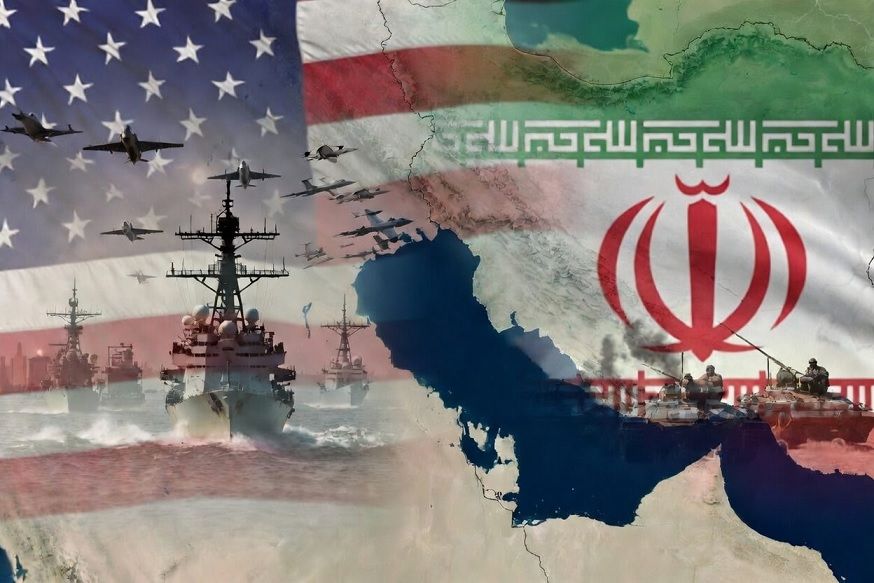
The United States conducted a third round of airstrikes against Iran early Sunday morning after Iranian forces struck a Cyprus-flagged container ship in the Strait of Hormuz, causing significant damage and leaving one civilian crew member missing. U.S. Central Command confirmed the operation targeted sites in southern Iran near the strait, including areas around Bandar Abbas and Sirik, in response to what it described as Iran's continued threats to civilian shipping.
The attacked vessel, identified as a container ship with Indian crew members, sustained engine room damage while traveling along a route hugging Oman's shoreline to avoid Iranian territorial waters. Iran's paramilitary Revolutionary Guard claimed the ship disregarded warnings and was struck by a warning shot. U.S. officials stated the incident violated the terms of the fragile ceasefire reached last month, which had aimed to reopen the critical waterway for international commerce. About one-fifth of global oil and natural gas transit passes through the Strait of Hormuz, making disruptions a major concern for energy markets.
President Donald Trump had previously declared the ceasefire over after Iranian attacks on commercial vessels earlier in the week. Despite the strikes, the administration indicated a willingness to continue diplomatic talks with Iran if Tehran meets specific conditions, including a public statement affirming the strait is open to all shipping and pledging no further attacks on vessels. Trump reiterated on social media that Iran had requested ongoing negotiations, which the U.S. agreed to pursue, but emphasized that the ceasefire agreement is terminated until those assurances are provided.
The latest U.S. action follows two prior rounds of strikes last week aimed at degrading Iran's capabilities to threaten maritime traffic. U.S. officials have described elements within Iran's leadership as rogue factions attempting to undermine agreements, amid reported internal power struggles following the death of Supreme Leader Ayatollah Ali Khamenei earlier in the conflict. Iran responded to the Sunday strikes by launching attacks toward several Gulf states hosting U.S. military presence, including Bahrain, Kuwait, Qatar, and Oman. Missile alerts sounded across the region, with some interceptions reported and limited casualties from falling shrapnel.
The U.S. military buildup in the area includes two aircraft carrier strike groups positioned in the Gulf of Oman, with more than 20 warships operating across the Middle East to promote regional security. These forces are seen as supporting operations to protect commercial shipping and potentially enforce a blockade if necessary. Trump has weighed additional measures, including reinstating restrictions on Iranian oil exports, as part of a strategy to pressure Tehran while keeping diplomatic channels open on American terms.
Iranian officials have insisted the strait falls under their control and have threatened further responses if attacked. However, mediators from Qatar, Oman, and Pakistan continue efforts to stabilize the situation and revive broader negotiations on issues including nuclear concerns and sanctions relief. Oil prices, which spiked during earlier phases of the conflict, have moderated somewhat, but repeated incidents in the strait underscore the ongoing risks to global energy supplies.
The Trump administration's response highlights a policy of firm military action against Iranian provocations combined with demands for verifiable commitments to de-escalation. Officials have stressed that preventing threats to international shipping lanes remains a priority, with the recent strikes intended to impose costs on Iran's ability to disrupt maritime traffic. As the situation evolves, the combination of military readiness and diplomatic outreach reflects efforts to secure American interests and regional stability amid persistent Iranian aggression.
Join the Team
Are you trying to break into news writing but struggling to get published at major outlets? At RWT News, we're always looking for talented, motivated writers who share our commitment to straightforward, factual conservative journalism. If you believe in honest reporting and want real experience and bylines, we'd love to hear from you.
Visit our Join the Team page to learn more and contact us directly.