US Launches Retaliatory Strikes on Iranian Military Targets After Drone Attack on Cargo Ship in Strait of Hormuz
The operation targeted storage sites and coastal radar positions along the strait and on Qeshm Island.
 Tommy Flynn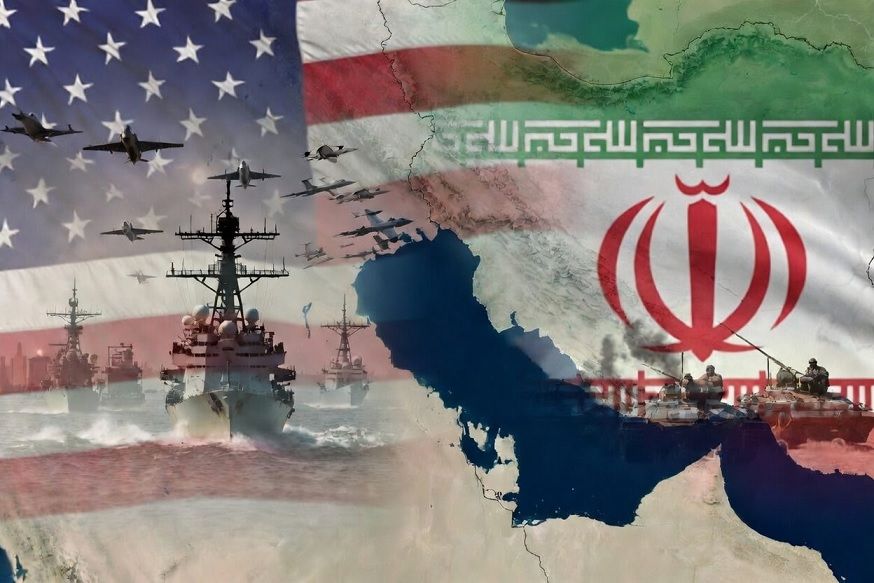
U.S. Central Command conducted airstrikes against Iranian missile and drone facilities on June 26, 2026, in direct response to an Iranian drone strike on a commercial cargo vessel transiting the Strait of Hormuz the previous day. The operation targeted storage sites and coastal radar positions along the strait and on Qeshm Island, using six U.S. aircraft including F-35 and F-16 fighters. President Donald Trump authorized the strikes following what U.S. officials described as an unwarranted violation of a recent ceasefire framework.
The targeted vessel, the Singapore-flagged M/V Ever Lovely, was struck by a one-way attack drone operated by Iran’s Islamic Revolutionary Guard Corps on June 25 while exiting the strait along the Omani coast, approximately 7.5 nautical miles southeast of Oman’s port of Dahit. The projectile damaged the ship’s bridge on the starboard side, though no crew members were injured and the vessel sustained no environmental effects or loss of cargo. The ship had been following recommended maritime routes coordinated by international authorities. This marked one of the first direct attacks on commercial shipping since the implementation of the ceasefire agreement reached roughly 11 days earlier.
U.S. officials stated that American forces also intercepted three additional Iranian drones during the incident. CENTCOM characterized the U.S. response as a “powerful” measure to address Iran’s aggression and uphold freedom of navigation through the critical waterway, which handles approximately 20 percent of global oil trade. The strikes focused on degrading Iran’s capabilities to threaten maritime traffic rather than broader escalation.
President Trump publicly condemned Iran’s action as a “foolish violation” of the ceasefire on social media. Earlier in the day, when asked about a potential U.S. response, he told reporters, “You’ll find out.” The administration has maintained that any deal or truce with Iran must include verifiable protections for shipping lanes and regional stability, with no tolerance for renewed interference or attacks.
Vice President JD Vance reinforced the U.S. position by noting that disputes over the memorandum of understanding should be resolved through direct communication rather than violence. He stated that Iran could “pick up the phone” to address implementation concerns but emphasized that “violence will be met with violence.” The ceasefire framework, established to end active hostilities and facilitate safe passage through the strait without charges for an initial period, has faced ongoing implementation challenges, including Iranian efforts to assert control or impose fees.
In immediate response to the U.S. strikes, Iran’s Islamic Revolutionary Guard Corps announced targeting of U.S. military positions in the region, though specific details on any impacts remained limited in initial reports. The exchange represents the most significant test yet of the fragile truce that followed months of regional conflict involving Iranian proxies, missile exchanges, and disruptions to global shipping.
The Strait of Hormuz has remained a central flashpoint, with Iran previously imposing restrictions during the conflict and issuing warnings about unauthorized transit. International maritime authorities had been coordinating efforts to evacuate or assist vessels and crews stranded in the area, but the attack prompted a pause in those operations. U.S. officials have consistently prioritized open access to the waterway as essential to global energy security and economic stability.
The strikes underscore the Trump administration’s commitment to enforcing red lines on Iranian aggression while pursuing diplomatic channels where feasible. CENTCOM’s measured targeting of specific military assets tied to the ship attack signals an intent to deter further violations without triggering wider conflict. Iran’s actions, however, have raised questions about its willingness to adhere to agreements that limit its regional influence or maritime claims.
Ongoing tensions highlight the challenges in achieving lasting de-escalation. The U.S. response reinforces that attacks on commercial shipping will face consequences, consistent with long-standing policy to protect freedom of navigation. Further developments will depend on Iran’s next steps and the durability of communication mechanisms established under the recent understanding.
Join the Team
Are you trying to break into news writing but struggling to get published at major outlets? At RWT News, we're always looking for talented, motivated writers who share our commitment to straightforward, factual conservative journalism. If you believe in honest reporting and want real experience and bylines, we'd love to hear from you.
Visit our Join the Team page to learn more and contact us directly.