U.S. Intelligence Estimates Iran Retains 1,500 to 2,500 Missiles After Rounds of Strikes
U.S. intelligence estimates Iran still holds 1,500–2,500 missiles after rounds of strikes, a low-confidence assessment that officials say leaves Tehran with significant remaining capacity.
 Tommy Flynn
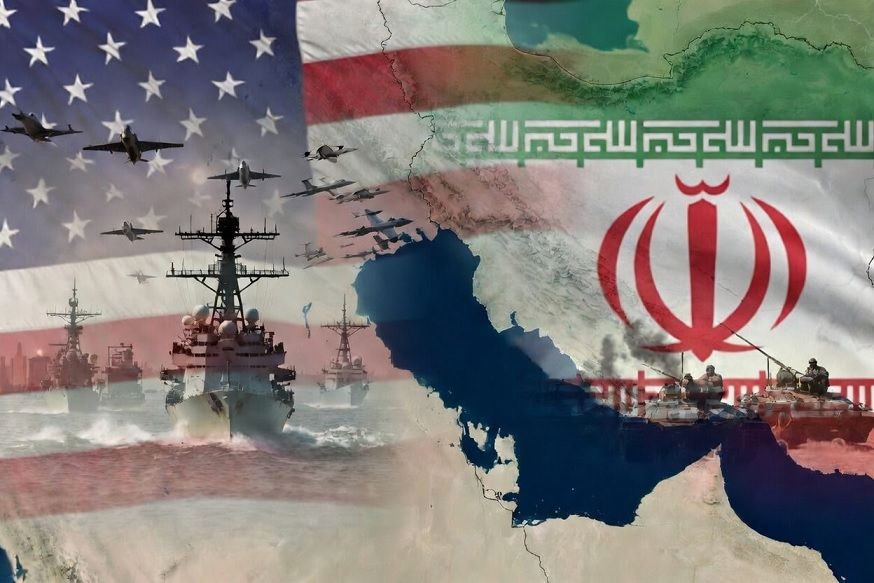
U.S. intelligence assessments place Iran’s remaining missile inventory between 1,500 and 2,500, officials told the Wall Street Journal, indicating Tehran retains significant capacity to strike American and allied targets if large-scale fighting resumes. The estimate is low-confidence because of the difficulty distinguishing launch-ready weapons from those in storage, yet officials described the stockpile as formidable.
The figure has entered Trump administration discussions about whether additional strikes are warranted. It comes amid recent Iranian drone activity against Bahrain and ongoing Houthi operations in Yemen, and after the president publicly declared that no deal is required because the United States controls Iranian funds and the Strait of Hormuz.
Israeli military officials have cited a figure above 1,500. Simone Ledeen, a former Pentagon official, noted that even 1,500 would mean Iran had rebuilt more than half its pre-war arsenal. Production facilities were damaged in earlier U.S. and Israeli strikes, but Tehran has continued assembly at a reduced pace, largely from pre-positioned components. One estimate put monthly output near 50 ballistic missiles, roughly half the pre-war rate. Iran also retains large numbers of drones and short-range systems.
The assessments counter earlier public characterizations of the Iranian program as comprehensively degraded. Briefings have noted drawdowns in certain U.S. precision munitions even as the naval blockade and sanctions continue to pressure the Iranian economy. A third U.S. carrier has been moving into the region, and military options for further action on nuclear-related or other targets remain available.
Trump has alternated between signals of restraint—citing requests from Gulf partners and the effectiveness of economic measures—and assertions of strategic dominance. The missile numbers supply a concrete metric for evaluating those claims. Low-confidence assessments are common in this domain because of limited visibility into underground storage and dispersed production, yet the consistent message from officials is that Iran has not been disarmed.
The reconstitution timeline matters for any decision on resuming strikes. Prior campaigns targeted production sites and launchers; residual capacity built from stockpiled parts suggests the regime can sustain limited operations while seeking to rebuild. Combined with the weekend Bahrain intercepts and Houthi advances, the inventory data keeps the military dimension active even as the administration emphasizes the blockade.
Support Independent Conservative News
RWTNews is independent conservative news — no corporate backing, no agenda driven by advertisers. We rely entirely on readers like you to keep the lights on and the truth coming. If you've found value in what you read here, consider supporting us with a one-time or monthly contribution. Every dollar goes directly toward keeping this site running and growing.
Secured by Stripe. Your payment info is never stored on our servers.