U.S. Carrier Strike Group Arrives in Caribbean as Tensions with Cuba Escalate Following Raúl Castro Indictment
Defense analysts note that while the Nimitz visit is framed as routine training, its alignment with the Castro case and recent intelligence concerns about Cuban drone activity sends a clear deterrent message to Havana.
 Tommy Flynn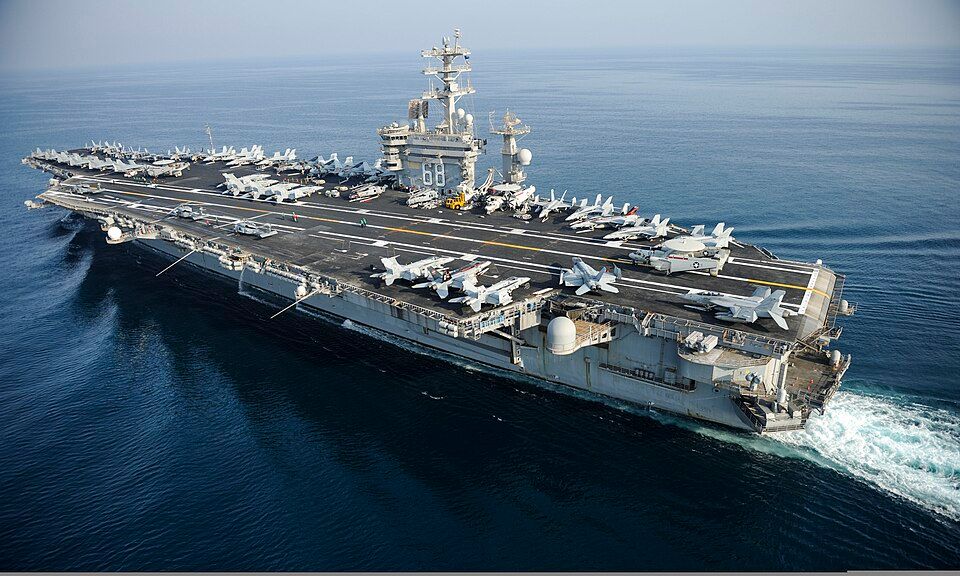
MIAMI — The USS Nimitz Carrier Strike Group has entered the Caribbean Sea, U.S. Southern Command announced Wednesday, coinciding with the Justice Department’s high-profile indictment of former Cuban leader Raúl Castro for the 1996 shootdown of two Brothers to the Rescue planes.
The Nimitz and its escorts — including the guided-missile destroyer USS Gridley and the oiler USNS Patuxent — arrived in the region as part of the long-planned Southern Seas 2026 exercise. The deployment includes an air wing with F/A-18E Super Hornets, EA-18G Growlers, and C-2A Greyhounds.
The timing is notable. On the same day, the DOJ unsealed charges against 94-year-old Raúl Castro and five co-defendants for their alleged roles in ordering the February 24, 1996, attack that killed four people — three American citizens and one U.S. resident. The unarmed civilian aircraft operated by the Miami-based humanitarian group Brothers to the Rescue were shot down by Cuban MiG jets over international waters.
U.S. officials have described the carrier group’s presence as a demonstration of readiness and strategic advantage in the region. The move comes amid heightened U.S.-Cuba tensions, including concerns over Cuban drone capabilities, Iranian military advisers in Havana, and Cuba’s deepening ties with Russia, China, and Iran.
The deployment allows the U.S. to project power close to the Florida Straits while supporting counter-narcotics operations and regional exercises with partner nations. It also serves as a visible show of strength following the Castro indictment and ongoing issues with Cuban migration, human rights, and potential asymmetric threats.
Defense analysts note that while the Nimitz visit is framed as routine training, its alignment with the Castro case and recent intelligence concerns about Cuban drone activity sends a clear deterrent message to Havana. The U.S. maintains that Cuba’s location — just 90 miles from Florida — makes any foreign military cooperation there a direct national security concern.
No specific operational changes or heightened alerts have been announced, but the presence of a full carrier strike group significantly boosts U.S. capabilities in the region for the foreseeable future. The Nimitz group is expected to conduct exercises with allies before continuing its deployment schedule.
Support Independent Conservative News
RWTNews is independent conservative news — no corporate backing, no agenda driven by advertisers. We rely entirely on readers like you to keep the lights on and the truth coming. If you've found value in what you read here, consider supporting us with a one-time or monthly contribution. Every dollar goes directly toward keeping this site running and growing.
Secured by Stripe. Your payment info is never stored on our servers.