US Blockade and Sanctions Squeeze Iran’s Economy as Regime Cuts Bread and Gasoline Subsidies, Rations Power Ahead of Winter
U.S. blockade and sanctions are choking Iran’s oil exports and forcing the regime into austerity. With inflation near 89%, the rial collapsing, and winter approaching, Tehran is rationing electricity and cutting bread and gasoline subsidies as Pezeshkian admits: “We have no money.”
 Tommy Flynn
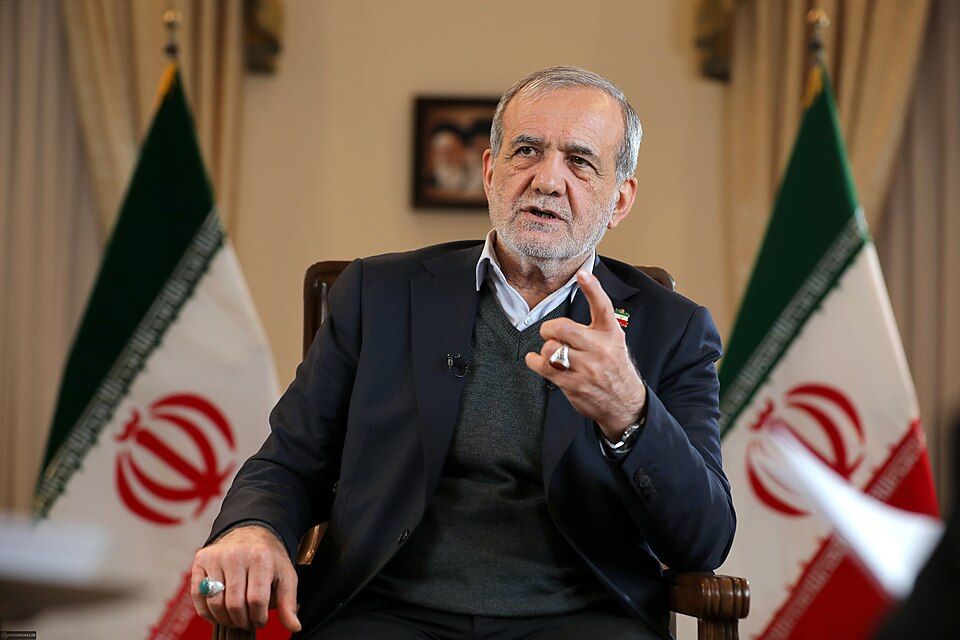
After nearly nine months of war and a reimposed U.S. naval blockade that has largely choked off oil exports, Iran’s government is imposing austerity measures that are hitting ordinary citizens hard. President Masoud Pezeshkian has publicly acknowledged the fiscal strain, telling state television “We have no money,” according to reporting in The Wall Street Journal and others. Tehran is rolling back subsidies on bread and gasoline while rationing electricity, as inflation soars, the currency collapses, and officials warn of a difficult winter.
The U.S. reimposed its blockade on Iranian ports and oil exports in July 2026 after a provisional truce collapsed. Tracking data from firms such as Kpler show Iranian crude and condensate loadings and exports have fallen sharply from pre-war levels near 1.7–2 million barrels per day, with no confirmed tankers exiting the blockade zone in recent months and loadings at key terminals like Kharg Island effectively stalled for extended periods. Estimates cited by The Washington Post put the monthly revenue loss at $3 billion to $4 billion; some analyses project oil export revenues could approach zero by mid-December as floating stocks are exhausted. Production has also been cut as storage fills and export outlets close. Parallel U.S. Treasury sanctions under Operation Economic Outcast have targeted shadow-banking networks, exchange houses, oil “trustees,” and related facilitators to further restrict access to foreign currency.
Official Iranian statistics underscore the domestic impact. The Statistical Centre of Iran reported that consumer prices in the month ending around October 22, 2026, were 88.7% higher than a year earlier, with the 12-month average annual inflation rate at 76.8%. Food and beverage prices rose more than 110–112% year-on-year in recent readings. The rial has weakened to roughly 2.8–2.9 million per U.S. dollar on the open market, compared with about 32,000 at the time of the 2015 nuclear deal. The IMF has projected a real GDP contraction of around 7.6% for 2026—the sharpest since the Iran-Iraq War—driven by sanctions, the physical trade embargo, war damage to infrastructure, and heightened uncertainty. Other estimates range from 4–6% or steeper.
These pressures have forced visible policy shifts. Electricity rationing began around November 22, with planned outages of up to two hours a day (potentially longer as winter deepens) because of fuel shortages at power plants. Government spokeswoman Fatemeh Mohajerani and other officials have warned that the gas shortfall could reach 430 million cubic meters per day this winter, up from about 300 million previously, after wartime strikes damaged processing plants (initially cutting capacity by roughly 230 million cubic meters, with partial recovery). Iran generates the bulk of its electricity from natural gas. Separately, authorities have tightened access to subsidized bread in multiple provinces (reports cite at least three to seven of 31), imposing monthly quotas after which higher market prices apply, and have raised or restructured gasoline pricing tiers while restricting subsidized allocations. Consumption has fallen somewhat under the higher prices, but refinery damage (including incidents at Abadan and elsewhere) and the blockade have complicated imports that Iran still appears to need to close supply gaps. Pezeshkian has claimed conservation measures ended the need for gasoline imports and saved billions, but market participants and data indicate ongoing shortfalls.
The effects are cascading. Food prices have more than doubled in key categories, eroding purchasing power and forcing households to cut basics. Truckers have staged protests or strikes over fuel access and rising costs. Overland routes are congested—reports describe queues of hundreds or more than a thousand trucks stretching for miles as Iran tries to substitute maritime imports. Some reporting indicates cash shortages are affecting salary and pension payments even in energy, manufacturing, and security-related sectors. Job losses linked to reduced industrial output from energy shortfalls have been estimated in the hundreds of thousands, with potential for more. Poverty rates have risen. Public frustration is growing, and even some hard-line outlets have criticized “quiet” bread rationing schemes.
Pezeshkian has described the situation as a “silent economic war” that is “tougher than a war with missiles,” while noting difficulties this winter from damaged gas infrastructure. First Vice President Mohammad Reza Aref has insisted strategic reserves are adequate and that increased overland trade means Iran is “not concerned” about the naval blockade, with efforts underway to curb price rises for three months. The government is preparing budget scenarios that assume limited or zero oil revenues. At the same time, hard-line voices and IRGC-linked outlets have discussed challenging the blockade with tanker convoys, and some officials have warned that the situation cannot continue indefinitely. U.S. officials, including Treasury Secretary Scott Bessent, have stated that the regime is under severe strain and that its leaders are panicking as financial lifelines are severed.
The combination of the blockade, targeted sanctions, and wartime damage is imposing real costs on a regime whose oil-dependent finances and long-standing subsidy system have left it exposed. Ordinary Iranians are bearing the immediate burden of higher prices, restricted staples, and power cuts, while the government faces budget shortfalls that limit its ability to maintain patronage and spending priorities. Whether this economic pressure produces concessions in talks over ending the conflict and constraining Iran’s nuclear program remains uncertain—historical examples show regimes can endure severe hardship through a mix of repression and remaining resources—but the data show the squeeze is intensifying as winter approaches. Iran continues to seek alternative trade routes and claims resilience, yet the scale of revenue loss, inflation, and energy shortfalls documented by Iranian statistics and independent trackers indicates deepening strain.
Support Independent Conservative News
RWTNews is independent conservative news — no corporate backing, no agenda driven by advertisers. We rely entirely on readers like you to keep the lights on and the truth coming. If you've found value in what you read here, consider supporting us with a one-time or monthly contribution. Every dollar goes directly toward keeping this site running and growing.
Secured by Stripe. Your payment info is never stored on our servers.