U.S. Begins Mine-Clearing and Freedom of Navigation Operations as Iran Threatens American Warships
Multiple U.S. warships, including elements of the USS Abraham Lincoln carrier strike group and dedicated mine countermeasures vessels, moved through the strait to support de-mining efforts and restore safe passage for commercial shipping.
 Tommy Flynn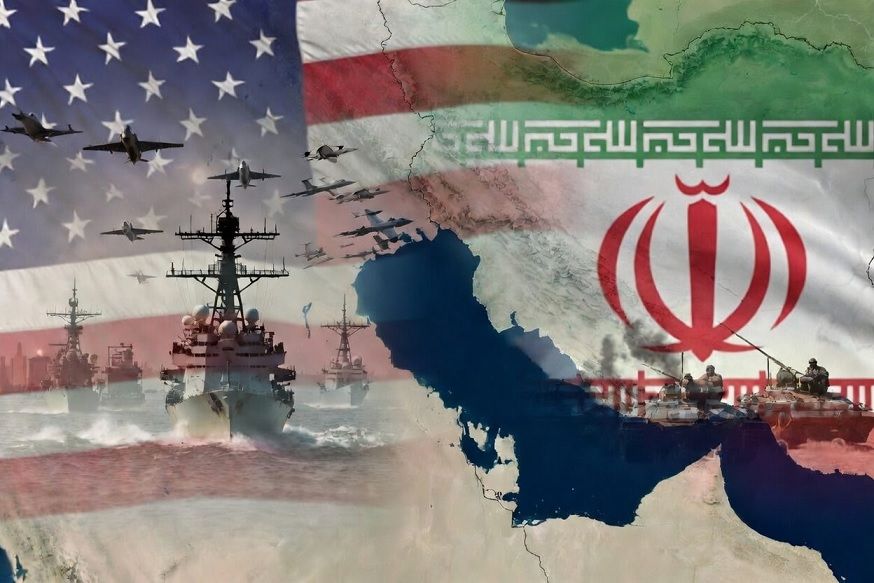
WASHINGTON – The United States has initiated mine-clearing operations in the Strait of Hormuz as part of a broader freedom of navigation mission, prompting an immediate threat from Iran to attack U.S. Navy vessels transiting the critical waterway.
On April 11, 2026, multiple U.S. warships, including elements of the USS Abraham Lincoln carrier strike group and dedicated mine countermeasures vessels, moved through the strait to support de-mining efforts and restore safe passage for commercial shipping. The operation comes during the two-week ceasefire brokered by Pakistan that took effect on April 8.
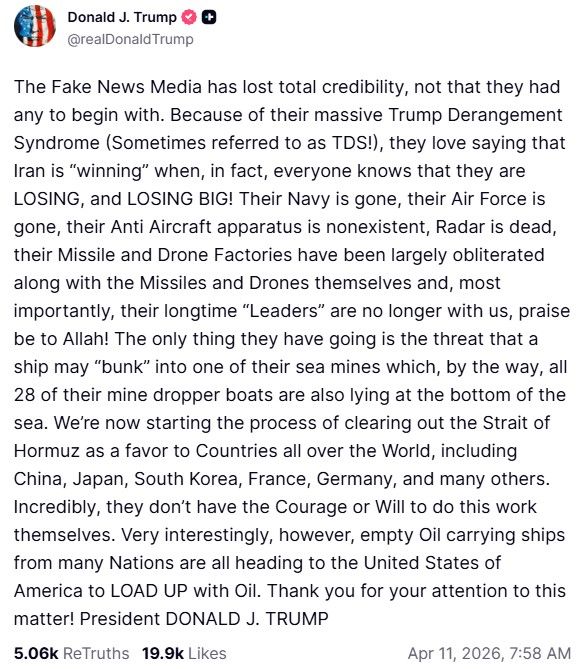
President Donald Trump publicly confirmed the mission in a Truth Social post, stating the U.S. military had begun clearing mines laid by Iranian forces. “We are clearing the Strait of Hormuz as a favor to countries all over the world,” Trump said. He emphasized that Iran’s mine-dropping boats had already been destroyed and reiterated that the United States would no longer shoulder the full burden of protecting global shipping lanes alone.
The move is part of the ongoing effort to enforce the terms of the fragile ceasefire, which is conditional on Iran fully reopening the Strait of Hormuz — a narrow chokepoint through which roughly one-fifth of global oil shipments pass.
In direct response to the U.S. naval transit, Iran issued explicit threats against American warships. Iranian state media and Revolutionary Guard commanders warned that any U.S. military vessels entering the strait would be targeted. A senior IRGC official stated, “We will not tolerate the presence of American warships in the Strait of Hormuz,” and threatened “decisive action” if the U.S. continued its operations.
The threats come amid heightened tensions even as direct negotiations continue in Islamabad. The two-week ceasefire, announced by Trump on April 8, was intended to create space for talks on a permanent agreement covering Iran’s nuclear program, ballistic missiles, proxy activities, and safe passage through the strait. However, Iran has been slow to fully withdraw its mines and missile systems from the waterway, leading the U.S. to begin its own clearing operations.
Defense officials have described the current mission as limited and defensive in nature, aimed at restoring safe commercial passage rather than offensive action. The Pentagon has not released the exact names of all vessels involved, citing operational security, but confirmed that mine countermeasures ships and supporting surface combatants are actively engaged.
The developments underscore the precarious nature of the ceasefire. While major combat operations have paused, both sides remain on high alert. Trump has repeatedly warned that any violation of the truce — including failure to fully reopen the strait — would end the ceasefire immediately and trigger renewed U.S. strikes on Iranian targets.
This remains a fast-moving situation. The two-week ceasefire is scheduled to expire on April 22 unless extended or replaced by a more permanent agreement. Negotiations in Pakistan are ongoing, but the exchange of threats over the strait highlights the deep distrust between the parties.
Support Independent Conservative News
RWTNews is independent conservative news — no corporate backing, no agenda driven by advertisers. We rely entirely on readers like you to keep the lights on and the truth coming. If you've found value in what you read here, consider supporting us with a one-time or monthly contribution. Every dollar goes directly toward keeping this site running and growing.
Secured by Stripe. Your payment info is never stored on our servers.