US and Iran Exchange Strikes as Talks Resume Under Firm Conditions and Naval Forces Build Up
The administration has restored elements of maximum pressure policies while keeping diplomatic avenues open on the condition that Tehran demonstrates concrete steps to end hostile actions.
 Tommy Flynn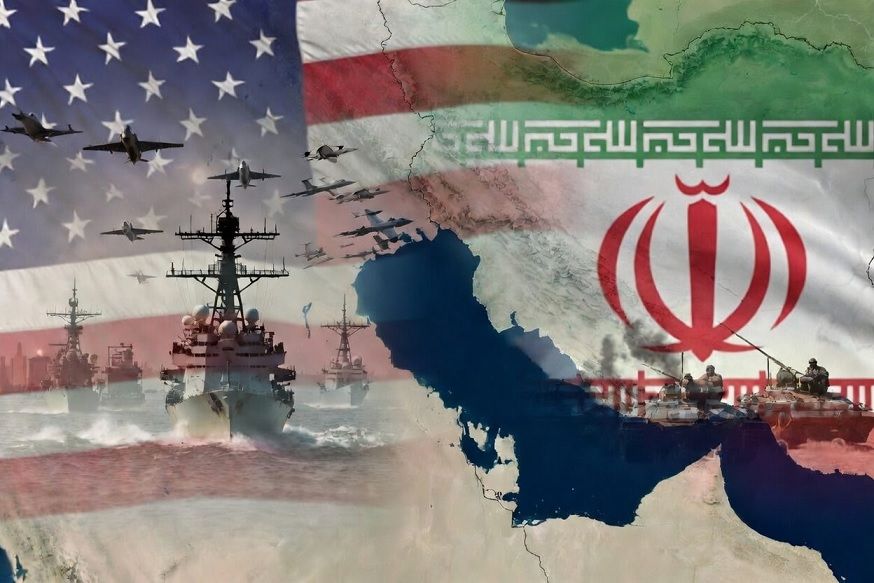
Iran requested to reopen talks with the United States following a fresh round of mutual strikes this week, and Washington agreed to continue discussions while making clear that the prior ceasefire remains terminated. President Donald Trump stated on Truth Social that Tehran had asked to continue negotiations, and the United States had consented, though he emphasized in no uncertain terms that the ceasefire agreement reached last month is now over. The exchanges followed Iranian attacks on commercial ships in the Strait of Hormuz and subsequent U.S. strikes on Iranian coastal and provincial targets, with Iran responding by launching missiles toward U.S. military infrastructure in several Gulf states.
Senior U.S. officials outlined specific demands tied to any progress in the renewed talks. They stated that Iran must issue a public announcement declaring the Strait of Hormuz open to international shipping and pledging that it will no longer attack vessels transiting the vital waterway. This condition reflects concerns over freedom of navigation after Iran’s actions contributed to global energy disruptions earlier in the conflict. Officials noted internal power struggles within Iran, exacerbated by the earlier deaths of Supreme Leader Ayatollah Ali Khamenei and other figures in U.S. and Israeli strikes, have complicated efforts to maintain stable agreements. A rogue faction of hard-liners was described as attempting to undermine the previous ceasefire.
Diplomatic channels remain active despite the military tensions. Qatari and Omani mediators have been involved in efforts to de-escalate, with Iranian officials scheduled to discuss the strait with their Omani counterparts. Gulf Arab states and other regional players have urged restraint. Iranian Foreign Minister Abbas Araghchi and other diplomats have engaged in parallel discussions, while Tehran has insisted on maintaining sole control over the strait and potentially imposing fees on vessels. U.S. negotiators have been given limited time to reach an understanding, with the administration indicating a broad range of options if talks falter.
Military movements signal heightened readiness in the region. The United States is redirecting two aircraft carrier strike groups, including the USS Abraham Lincoln and USS George H.W. Bush, along with more than 20 warships, into the Gulf of Oman and waters near Iran. Maritime tracking data showed the carriers entering the area, a positioning that military analysts associate with preparations for renewed blockade operations or missions to secure commercial shipping through the Strait of Hormuz. U.S. Central Command confirmed the presence of the naval forces to promote regional security, though it declined further operational details. These deployments follow Trump’s decision to end the ceasefire after alleged Iranian strikes on three commercial ships in the strait earlier this week.
The latest strikes represent an escalation after the interim deal last month that had aimed to halt a four-month conflict disrupting global energy supplies. Oil prices, which spiked during earlier phases of the fighting, have since moderated. The United States responded to the ship attacks by revoking Iran’s oil sale waivers and conducting targeted strikes on Iranian coastal infrastructure. Iran’s subsequent missile volleys targeted locations in Bahrain, Jordan, Kuwait, and Qatar, prompting defensive responses across the region. No group immediately claimed responsibility for additional airstrikes reported on Iranian territory.
Trump has maintained that preventing Iran from threatening international shipping and advancing its military capabilities remains a priority. The administration has restored elements of maximum pressure policies while keeping diplomatic avenues open on the condition that Tehran demonstrates concrete steps to end hostile actions. The combination of renewed talks, explicit U.S. demands regarding the Strait of Hormuz, and the movement of significant naval assets indicates preparations for sustained operations if Iran does not comply with the stated conditions. Regional mediators continue working to bridge gaps, but the military posture underscores Washington’s determination to enforce security in critical maritime lanes amid ongoing volatility.
Support Independent Conservative News
RWTNews is independent conservative news — no corporate backing, no agenda driven by advertisers. We rely entirely on readers like you to keep the lights on and the truth coming. If you've found value in what you read here, consider supporting us with a one-time or monthly contribution. Every dollar goes directly toward keeping this site running and growing.
Secured by Stripe. Your payment info is never stored on our servers.