U.S. Adds 162,000 Jobs in August, Triple Wall Street Forecasts; Unemployment Holds at 4.1%
BLS said payrolls rose 162,000 in August — well above the ~50,000 consensus — with unemployment still 4.1% after June and July were revised up 55,000.
 Tommy Flynn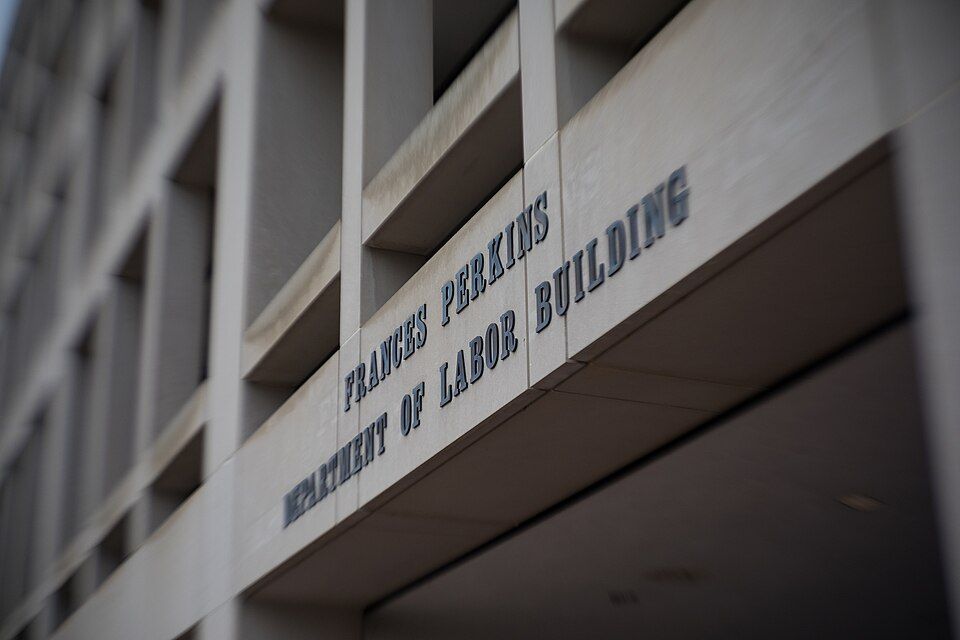
The Labor Department reported Friday that U.S. employers added 162,000 jobs in August, far above the 53,000 to 56,000 range that Wall Street surveys had expected. The unemployment rate was unchanged at 4.1 percent. The Bureau of Labor Statistics said the August gain was the strongest in five months and well above the 31,000 average monthly increase over the prior 12 months. Private payrolls rose 127,000. Government employment rose 35,000. Combined, June and July were revised up by 55,000 jobs.
BLS revised June from a gain of 20,000 to 31,000 and July from a loss of 23,000 to a gain of 21,000. Total nonfarm employment stood at about 159.07 million. Private employment was 135.75 million. Government employment was 23.32 million. Over the year, nonfarm payrolls were up 603,000 and private payrolls were up 815,000, while government employment was down 212,000. The three-month average increase is now 71,000. ADP’s private-payroll estimate for August was 38,000, 89,000 below the BLS private figure.
Food services and drinking places added 59,000 jobs, against a 12-month average of 12,000. Leisure and hospitality rose 62,000 after losses of 54,000 in June and 21,000 in July. Local government education added 42,000, largely offsetting a drop the month before; BLS said that category has shown little net change since January 2025. Health care and social assistance rose 28,400. Construction added 22,000. Manufacturing added 16,000 and is up 58,000 since a December 2025 low. Goods-producing industries together added 41,000. Information lost 23,000 jobs. Financial activities fell 11,000. Federal employment fell 5,000 and state employment fell 10,000. Local government overall rose about 50,000. Retail trade was little changed (+1,400). Temporary help services added 6,800.
In the household survey the labor force rose 683,000 and employment rose 569,000. The participation rate increased two-tenths of a point to 61.6 percent after 61.4 percent in July. The employment-population ratio rose to 59.1 percent. About 7.0 million people were unemployed. Long-term unemployment (27 weeks or more) was little changed at 1.9 million. The broader U-6 rate, which includes people working part time for economic reasons and those marginally attached to the labor force, fell to 7.7 percent from 7.9 percent. Jobless rates were little changed for adult men (4.0 percent), adult women (3.5 percent), White workers (3.7 percent), Black workers (6.0 percent), and Hispanic workers (4.8 percent). Average hourly earnings rose 0.3 percent, or 10 cents, to $37.75, and were up 3.1 percent from a year earlier. The average workweek for production and nonsupervisory employees stayed at 33.8 hours. Average weekly earnings were $1,298.60.
Treasury yields rose after the release. Fed-funds futures assigned a higher chance of a September rate increase than they had the day before. The next Employment Situation report is scheduled for Oct. 2. August figures are preliminary and subject to revision.
Join the Team
Are you trying to break into news writing but struggling to get published at major outlets? At RWT News, we're always looking for talented, motivated writers who share our commitment to straightforward, factual conservative journalism. If you believe in honest reporting and want real experience and bylines, we'd love to hear from you.
Visit our Join the Team page to learn more and contact us directly.