UK Prime Minister Keir Starmer Resigns After Less Than Two Years, Opening Path for Andy Burnham Amid Party Revolt
Pressure built after electoral setbacks. Starmer’s leadership came under intense scrutiny following Labour’s poor performance in the May 2026 local elections and the party’s loss of the Makerfield parliamentary seat in a June 18 by-election.
 RWTNews Staff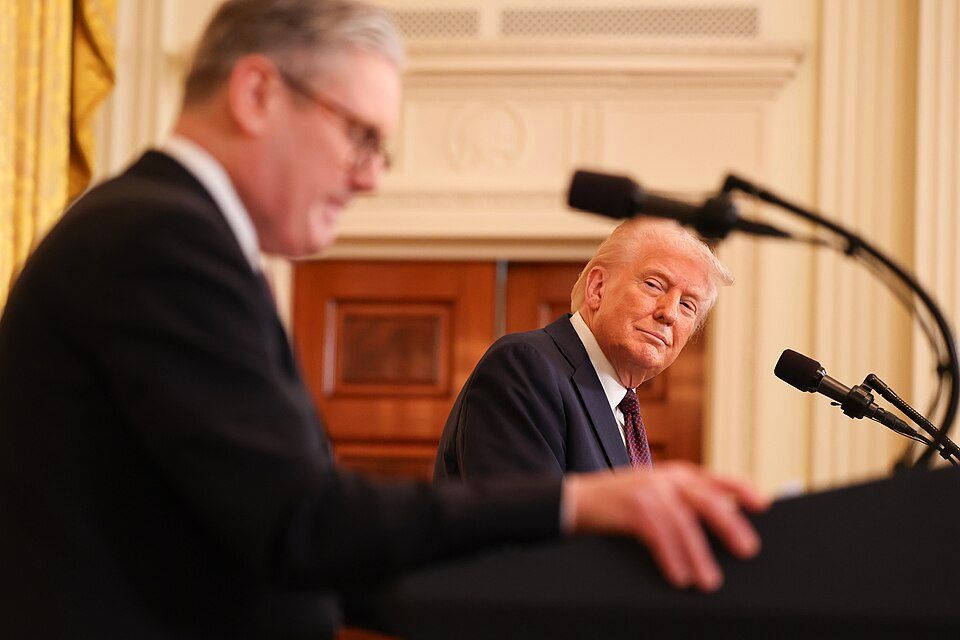
London — British Prime Minister Keir Starmer announced his resignation as leader of the Labour Party and head of government on Monday, June 22, 2026, less than two years after leading his party to a landslide victory in the 2024 general election. Starmer, who informed King Charles III of his decision earlier in the day, said he would remain in office until a successor is chosen through a party leadership contest expected to conclude before Parliament returns in September. The move follows mounting pressure from Labour lawmakers after the party suffered heavy losses in local and regional elections in May and a decisive by-election defeat for the party line in Makerfield.
In his resignation statement, Starmer emphasized that every decision during his tenure had been guided by putting the country first. He noted that he had inherited a Labour Party that was “politically, financially and morally bankrupt” six years earlier and expressed confidence that his successor would inherit a stronger nation. The resignation marks Starmer as the sixth prime minister in the United Kingdom in just over a decade, highlighting ongoing political instability.
Pressure built after electoral setbacks. Starmer’s leadership came under intense scrutiny following Labour’s poor performance in the May 2026 local elections and the party’s loss of the Makerfield parliamentary seat in a June 18 by-election. Former Greater Manchester Mayor Andy Burnham won that contest comfortably, prompting widespread calls within Labour for Starmer to set a clear timetable for his departure. More than 100 Labour MPs reportedly urged Starmer to step aside, citing concerns over his ability to lead the party into the next general election, expected by 2029. Internal divisions were exacerbated by policy struggles on economic growth, public services, immigration, and the cost of living, as well as high-profile controversies including cabinet appointments linked to past scandals. Starmer’s approval ratings had plummeted, and polls showed Labour trailing the right-wing Reform UK party in voter preference.
President Trump appeared to anticipate the announcement, posting on Truth Social over the weekend that “Keir Starmer will resign as Prime Minister of the United Kingdom.” Trump accused Starmer of failing “badly on two very important subjects — IMMIGRATION AND ENERGY (OPEN NORTH SEA OIL!).” He added, “I wish him well!”
Andy Burnham, who returned to Parliament via the Makerfield by-election, has confirmed his intention to run for the Labour leadership. The “King of the North,” as he is often called, has received significant backing from party figures, including former Health Secretary Wes Streeting, who had previously expressed interest in the role but stepped aside in support of Burnham. Burnham’s victory speech framed his win as a “turning point” for northern communities and signaled a potential shift toward more regionally focused policies within Labour. Polls of party members suggest he would comfortably defeat Starmer in a leadership contest. The leadership timetable is expected to open nominations around July 9, with a new leader in place before the summer recess ends.
Starmer’s departure ends a turbulent chapter that began with high hopes after Labour’s 2024 triumph, which ended 14 years of Conservative government. His administration struggled to deliver promised economic growth, repair strained public services, and address voter concerns over migration and energy policy. The transition could reshape Labour’s direction ahead of the next election, with Burnham potentially steering the party toward stronger regional appeals and a more robust stance on issues like security and economic reform. For US-UK relations, the change may ease some friction, particularly if the next leader aligns more closely with Washington on immigration enforcement and energy production. Trump’s public comments already signal expectations for closer cooperation on these fronts. As the leadership contest unfolds, Britain faces its seventh prime minister in a decade, continuing a period of rapid political turnover.
Support Independent Conservative News
RWTNews is independent conservative news — no corporate backing, no agenda driven by advertisers. We rely entirely on readers like you to keep the lights on and the truth coming. If you've found value in what you read here, consider supporting us with a one-time or monthly contribution. Every dollar goes directly toward keeping this site running and growing.
Secured by Stripe. Your payment info is never stored on our servers.