UK Government Urges Households to Stockpile Three Days of Food and Water Amid Cyber and Infrastructure Threats
UK gov urges households to stock 3 days of food & water under new “Be Ready” campaign, citing cyberattacks, hostile-state activity & severe weather that could disrupt power, payments & supply chains. Streeting: “alert but not alarmed.” Retailers already seeing sales spikes.
 Tommy Flynn
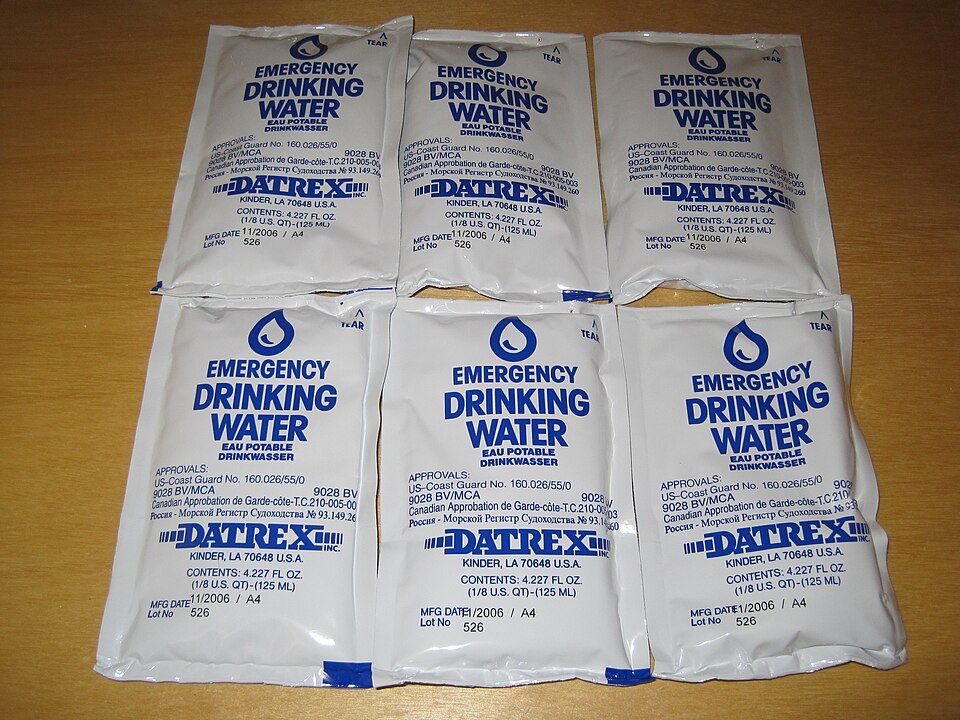
British households are being urged to maintain a three-day supply of non-perishable food and bottled water under a new Cabinet Office “Be Ready” campaign launched this month, as officials cite risks from cyberattacks, hostile-state activity, and severe weather that could disrupt electricity, payments, communications, and supply chains.
Defense Secretary Wes Streeting publicly advanced the guidance last week, stating that households should prepare for potential disruption to everyday services from “increasingly sophisticated cyber attacks” and “state-sponsored terrorism” by hostile actors. He described the advice as a matter of national resilience rather than a response to any single piece of intelligence, and said the public should be “alert but not alarmed.” Prime Minister Andy Burnham reinforced the message, noting that unexpected events appear to be occurring more frequently and that households should keep a modest stock of tinned food and bottled water on hand.
The official checklist recommends approximately three liters of drinking water per person per day for three days (about nine liters total per person), plus additional water for cooking and washing if possible. Non-perishable food items that require no refrigeration or cooking—such as tinned meat, vegetables, or fish, along with dried fruit and nuts—are advised for the same period. Other recommended items include a battery-powered or wind-up FM radio, a torch with spare batteries, blankets or warm clothing, a charged power bank, a small amount of cash in notes and coins, copies of important documents, a first-aid kit, essential medications, hygiene supplies such as hand sanitizer and wet wipes, and provisions for infants or pets where applicable.
The campaign is the first stage of a three-year public information effort. Officials have pointed to recent storms, wildfires, and cyber incidents affecting services as examples of the kinds of disruptions the preparations are intended to address. A National Audit Office report last month had already flagged vulnerabilities in Britain’s food supply chain from cyber threats and climate-related risks, stating that the Department for Environment, Food and Rural Affairs had not done enough in recent years to strengthen resilience. The UK’s food system is heavily dependent on just-in-time imports, with roughly 45–50 percent of food coming from abroad.
Retailers reported an immediate response. Iceland stated that sales of tinned food rose about 40 percent over the weekend following the announcements, with bottled water also seeing strong demand. Online grocer Ocado listed several brands of bottled water—including Volvic, Highland Spring, and Brecon Carreg—as unavailable on Monday, along with various Heinz and Baxters soup ranges. Robert Dyas reported a 160 percent increase in radio sales compared with the previous week, while Maplin recorded jumps in sales of radios, torches, and power banks. Industry sources told reporters that some supermarket chains were informed of the campaign’s details only days before the public announcement and had expected a lower-key rollout.
Similar household-preparedness advice has long been standard in several European countries. Finland recommends at least three days of supplies and maintains national grain reserves sufficient for roughly nine months. Sweden advises preparation for at least one week, while Norway recommends seven days without key services. France, Ireland, and the Netherlands have also issued multi-day guidance. The UK advice brings British recommendations into closer alignment with those of its European neighbors.
Streeting has written that Britain’s adversaries could be in a position to attack by 2030, describing a window of a little over 1,000 days for the country and its allies to complete readiness efforts. He has linked the household guidance to broader concerns about hybrid threats targeting infrastructure. The government has indicated that the Be Ready messaging will continue through social media and radio advertising in the coming period.
U.S. Recommendations
In the United States, federal guidance through the Department of Homeland Security’s Ready.gov site (operated by FEMA) has long recommended that households maintain supplies sufficient to be self-sufficient for at least three days, and ideally longer, after a disruption to power, water, communications, or retail access. The core recommendation is one gallon of water per person per day for drinking and sanitation, covering a minimum of three days for evacuation scenarios and up to about two weeks for sheltering in place if space allows. Non-perishable food for at least a several-day supply—items that require little or no cooking or refrigeration, such as canned meats, beans, peanut butter, crackers, dried fruit, and granola bars—is also advised, along with a manual can opener.
Additional recommended items on the Ready.gov basic disaster supplies kit list include a battery-powered or hand-crank radio (ideally with NOAA weather radio capability), flashlight and extra batteries, first-aid kit, whistle, dust masks, plastic sheeting and duct tape for sheltering in place, moist towelettes and garbage bags for sanitation, a wrench or pliers to shut off utilities, local maps, and a cell phone with chargers and a backup battery. Households are encouraged to customize kits for infants, elderly members, pets, prescription medications, and local hazards, and to maintain both a home kit and a smaller portable “go bag.” The American Red Cross similarly endorses a three-day minimum for evacuation and longer reserves at home.
These U.S. recommendations are framed around a range of hazards, including severe weather, infrastructure outages, and potential cyber or physical disruptions to critical systems. Officials note that after major events, residents may need to manage independently until emergency services and supply chains are restored. Ready.gov materials emphasize gradual buildup through normal shopping rather than panic purchases, periodic checks of expiration dates, and coordination with family communication plans and local emergency management guidance.
Editor's Note: Both the UK's "Be Ready" campaign and FEMA's Ready.gov recommend keeping several days of drinking water on hand, and clean water is often the hardest thing to get when supply systems go down. For readers looking to prepare, I personally recommend My Patriot Supply, a family-owned American company that sells emergency food, water filtration and preparedness gear.
Disclosure: The link below is an affiliate link. If you buy through it, Red, White and True News earns a commission at no extra cost to you, which helps support our independent reporting. We only recommend products we believe are useful to our readers.
Shop water filtration and preparedness supplies at My Patriot Supply →
Support Independent Conservative News
RWTNews is independent conservative news — no corporate backing, no agenda driven by advertisers. We rely entirely on readers like you to keep the lights on and the truth coming. If you've found value in what you read here, consider supporting us with a one-time or monthly contribution. Every dollar goes directly toward keeping this site running and growing.
Secured by Stripe. Your payment info is never stored on our servers.