UAE Announces Exit from OPEC and OPEC+ Effective May 1
Al-Mazrouei stressed the exit does not stem from any dispute with Saudi Arabia, OPEC’s de facto leader. “We’ve been working together for years and years. We have the highest respect for the Saudis for leading OPEC,” he said.
 Tommy Flynn
We're covering the Republican midterm convention live from Dallas. A last-minute change to our assigned press location by organizers means we've shifted to roaming, on-the-ground coverage — live in short bursts, with clips throughout.
Follow on Facebook and X for updates as it happens.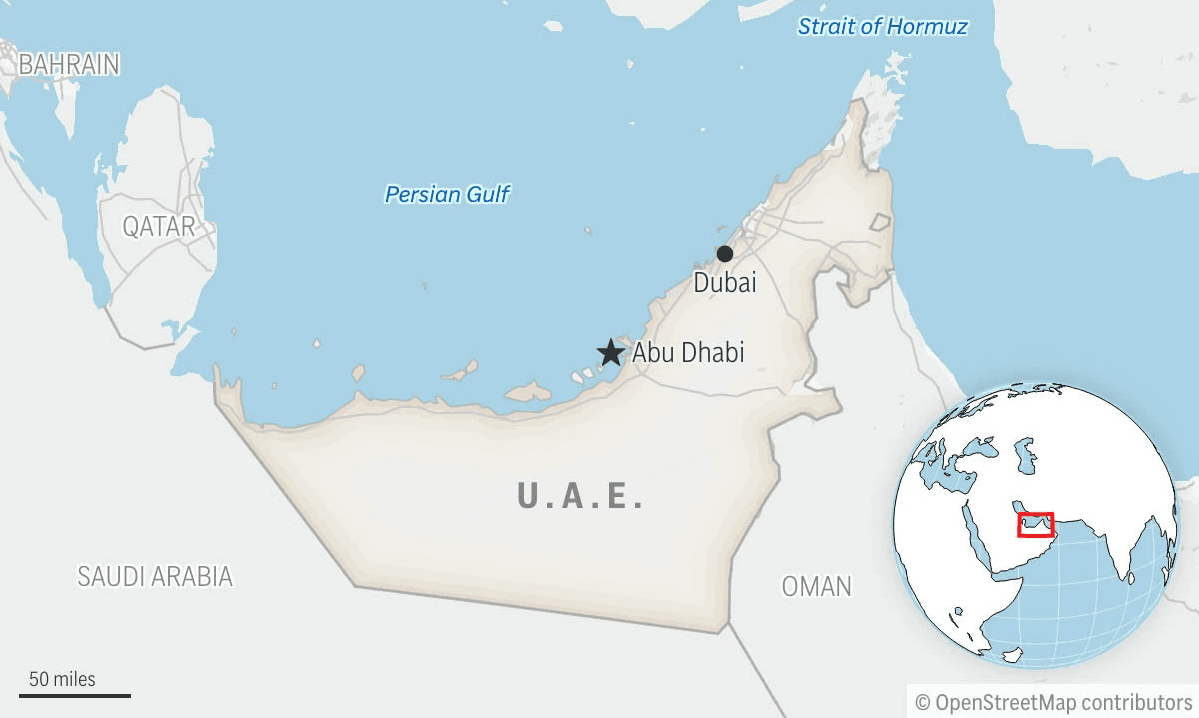
ABU DHABI — The United Arab Emirates announced on April 28, 2026, that it will withdraw from the Organization of the Petroleum Exporting Countries and the broader OPEC+ alliance, effective May 1.
The decision, reported by state news agency WAM, follows a comprehensive review of the UAE’s production policy and future capacity. Energy Minister Suhail al-Mazrouei said the move aligns with the country’s long-term strategic and economic vision and its evolving energy profile, including accelerated investment in domestic production. He emphasized that the UAE plans to bring additional production to market in a gradual and measured manner, aligned with global demand and market conditions.
Al-Mazrouei stressed the exit does not stem from any dispute with Saudi Arabia, OPEC’s de facto leader. “We’ve been working together for years and years. We have the highest respect for the Saudis for leading OPEC,” he said.
The UAE is OPEC’s third-largest producer, currently pumping around 3.4 million barrels per day with spare capacity to reach roughly 5 million barrels per day. Leaving the cartel frees the UAE from production quotas, allowing greater flexibility to expand output independently.
Analysts describe the departure as a significant blow to OPEC. It removes one of the group’s most compliant and capable members, reducing the cartel’s overall spare capacity and making it harder to calibrate supply and stabilize prices. OPEC and OPEC+ together control roughly 40% of global oil output, but the loss of the UAE weakens their leverage at a time when U.S. production exceeds 13 million barrels per day and non-OPEC supply continues to grow.
The timing coincides with ongoing disruptions from the U.S.-Israel conflict with Iran, which has closed much of the Strait of Hormuz and driven Brent crude above $111 per barrel — more than 50% higher than prewar levels. The UAE, like other Gulf producers, has faced challenges exporting crude through the strait.
Economists note the exit could lead to higher global supply over time if the UAE ramps up production, potentially easing prices in the medium to long term. However, near-term effects may be limited due to current market tightness caused by the Iran-related disruptions.
The UAE has pursued a strategy of “energy addition” rather than transition, investing heavily in both hydrocarbons and renewables to meet rising global demand. The decision also reflects growing competition with Saudi Arabia over regional influence, including in the Red Sea and Yemen.
President Donald Trump, a longtime OPEC critic, has not yet commented publicly on the move. No immediate reaction was issued by Saudi Arabia or OPEC as of Monday evening.
The UAE’s exit marks the first major defection from the cartel in decades and raises questions about OPEC’s future cohesion amid shifting global energy dynamics.
Support Independent Conservative News
RWTNews is independent conservative news — no corporate backing, no agenda driven by advertisers. We rely entirely on readers like you to keep the lights on and the truth coming. If you've found value in what you read here, consider supporting us with a one-time or monthly contribution. Every dollar goes directly toward keeping this site running and growing.
Secured by Stripe. Your payment info is never stored on our servers.