Trump-Xi Talks Focus on Restoring U.S. LNG Sales That Could Cut China’s Reliance on Iranian Oil
A tariff cut on American gas would revive roughly $6 billion in annual contracts and give Beijing a hedge against Hormuz disruptions.
 Tommy Flynn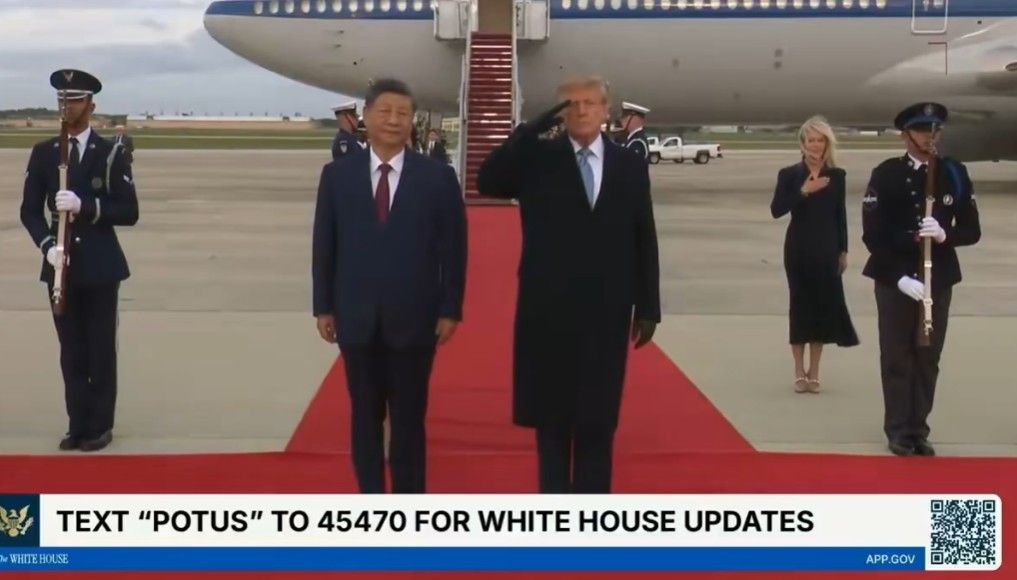
As President Donald Trump hosted Chinese President Xi Jinping for a three-day state visit, U.S. and Chinese officials discussed reducing or eliminating Beijing’s 15 percent tariff on American liquefied natural gas. The talks form part of a broader energy and agriculture package that could be finalized around the summit.
Existing Chinese contracts for U.S. LNG already total about 14 million tons per year, valued at roughly $6 billion at long-term prices, according to Bloomberg estimates cited in reporting. Direct shipments collapsed after China imposed the tariff in response to earlier U.S. duties. Chinese buyers continued lifting cargoes but diverted them to Europe and other Asian markets.
A commercial warm-up occurred days earlier when China Gas Holdings signed a 20-year deal with Venture Global for 500,000 tons annually starting in 2030, raising that company’s long-term U.S. commitments to 2.5 million tons. Restoring the larger contract book would give American exporters multi-decade demand while U.S. liquefaction capacity continues to expand.
For China the appeal is energy security. Roughly one-third of its LNG imports had come from the Middle East, with Qatar alone supplying about 28 percent. After U.S. and Israeli strikes on Iran and subsequent disruptions in the Strait of Hormuz, Qatari shipments were interrupted and Iranian oil volumes to China fell sharply under tighter sanctions and naval pressure. Iranian crude shipments to China dropped from roughly 1.4 million barrels per day toward half a million at times this summer.
A durable U.S. LNG supply would reduce Beijing’s exposure to Gulf chokepoints and to discounted but unreliable Iranian barrels. That shift would weaken Tehran’s remaining leverage over its largest remaining energy customer. Officials on both sides have described the discussions as unfinished, but the commercial and strategic outlines are already visible: cut the Chinese tariff, revive the frozen contracts, and let recent private deals become the foundation for larger volumes.
China’s economy is facing its weakest non-COVID growth in decades, adding pressure for stable, lower-cost energy inputs. For the United States the arrangement would lock in export revenue, support domestic production, and advance the administration’s goal of using energy markets to constrain adversarial regimes.
Join the Team
Are you trying to break into news writing but struggling to get published at major outlets? At RWT News, we're always looking for talented, motivated writers who share our commitment to straightforward, factual conservative journalism. If you believe in honest reporting and want real experience and bylines, we'd love to hear from you.
Visit our Join the Team page to learn more and contact us directly.