Trump Permits Sanctioned Russian Oil Tanker to Reach Cuba, Citing Humanitarian Needs for Cuban People
“We have a tanker out there. We don’t mind having somebody get a boatload because they need… they have to survive,” Trump said. He added: “If a country wants to send some oil into Cuba right now, I have no problem whether it’s Russia or not.”
 Tommy Flynn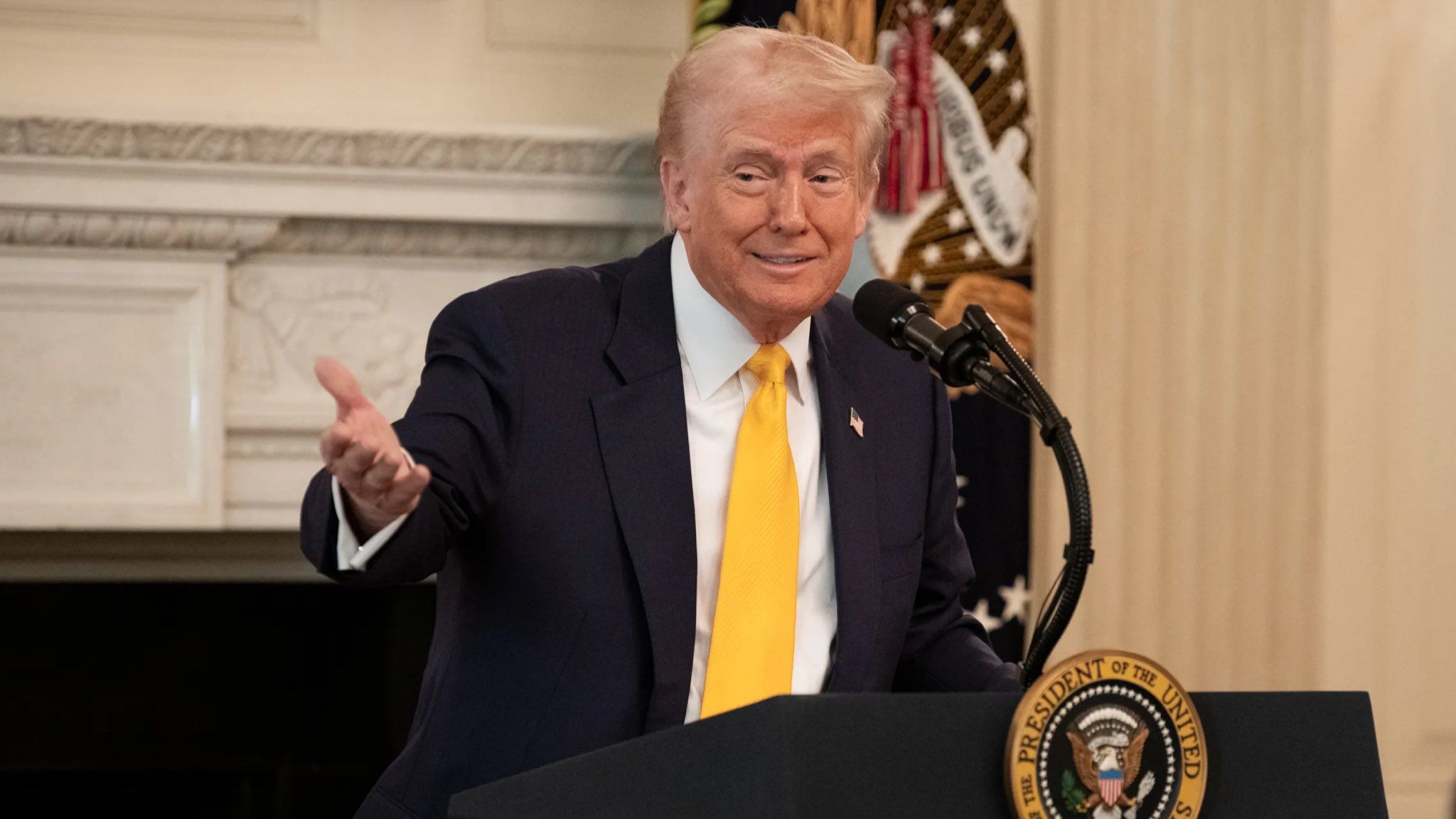
WASHINGTON – The United States allowed a sanctioned Russian oil tanker to deliver hundreds of thousands of barrels of crude oil to Cuba on March 30, 2026, effectively easing a de facto U.S. fuel blockade imposed earlier this year to pressure the communist regime.
The tanker, identified as the Anatoly Kolodkin, arrived at the port of Matanzas on Cuba’s northern coast carrying approximately 100,000 tons (roughly 730,000 barrels) of crude. The shipment marks the island’s first major oil delivery in more than three months, arriving as Cuba grapples with severe energy shortages that have caused widespread blackouts and disrupted daily life.
President Donald Trump confirmed the decision Sunday night aboard Air Force One while returning from Mar-a-Lago. Speaking to reporters, Trump stated he had “no problem” with the delivery and explicitly rejected blocking the vessel despite U.S. sanctions on the ship and its Russian operators.
“We have a tanker out there. We don’t mind having somebody get a boatload because they need… they have to survive,” Trump said. He added: “If a country wants to send some oil into Cuba right now, I have no problem whether it’s Russia or not.”
Trump emphasized humanitarian considerations for ordinary Cubans over strict enforcement of the blockade. “Cuba is finished. They have a bad regime and they have very bad and corrupt leadership and whether or not they get a boat of oil it’s not going to matter,” he said. “I prefer letting it in, whether it’s Russia or anybody else, because the people need heat and cooling and all of the other things that you need.”
The president downplayed any strategic benefit to Russian President Vladimir Putin, noting the delivery represented “one boatload of oil” and would have negligible impact on the broader sanctions regime.
The move represents a pragmatic adjustment in U.S. policy toward Cuba. Earlier this year the Trump administration intensified pressure on the island by restricting oil shipments, contributing to the current energy crisis. The U.S. Coast Guard had vessels in the region capable of intercepting the tanker but received no orders to do so, according to officials familiar with the situation.
The tanker departed from Russia’s Baltic port of Primorsk in early March. Ship-tracking data showed it nearing Cuba’s eastern tip by Sunday, and it docked without interference.
Trump’s comments came in response to a New York Times report that the administration planned to permit the delivery. The decision avoids a potential escalation with Russia while acknowledging the immediate suffering caused by fuel shortages in Cuba.
Critics of the regime have long argued that Cuba’s economic woes stem from decades of socialist mismanagement rather than U.S. policy. Supporters of the blockade maintain that denying the Castro regime revenue is essential to promoting democratic change. Trump’s allowance of this single shipment balances those pressures by prioritizing short-term relief for the Cuban people without abandoning long-term pressure on the government.
The tanker’s arrival provides temporary relief but does not resolve Cuba’s chronic energy problems. Russian state media confirmed the delivery as a humanitarian gesture, while Cuban officials have not yet issued a detailed public statement on the shipment.
This development occurs amid broader Trump administration efforts to manage multiple foreign policy challenges, including the ongoing conflict with Iran. No further shipments or policy changes regarding the Cuba blockade were announced.
Support Independent Conservative News
RWTNews is independent conservative news — no corporate backing, no agenda driven by advertisers. We rely entirely on readers like you to keep the lights on and the truth coming. If you've found value in what you read here, consider supporting us with a one-time or monthly contribution. Every dollar goes directly toward keeping this site running and growing.
Secured by Stripe. Your payment info is never stored on our servers.