Trump Orders Withdrawal of 5,000 U.S. Troops from Germany, First Punitive Step Against NATO Allies Over Iran Mission
The Pentagon confirmed the drawdown Friday, describing it as part of a review of theater requirements and a direct response to German Chancellor Friedrich Merz’s criticism of U.S. strategy in the Iran conflict.
 Tommy Flynn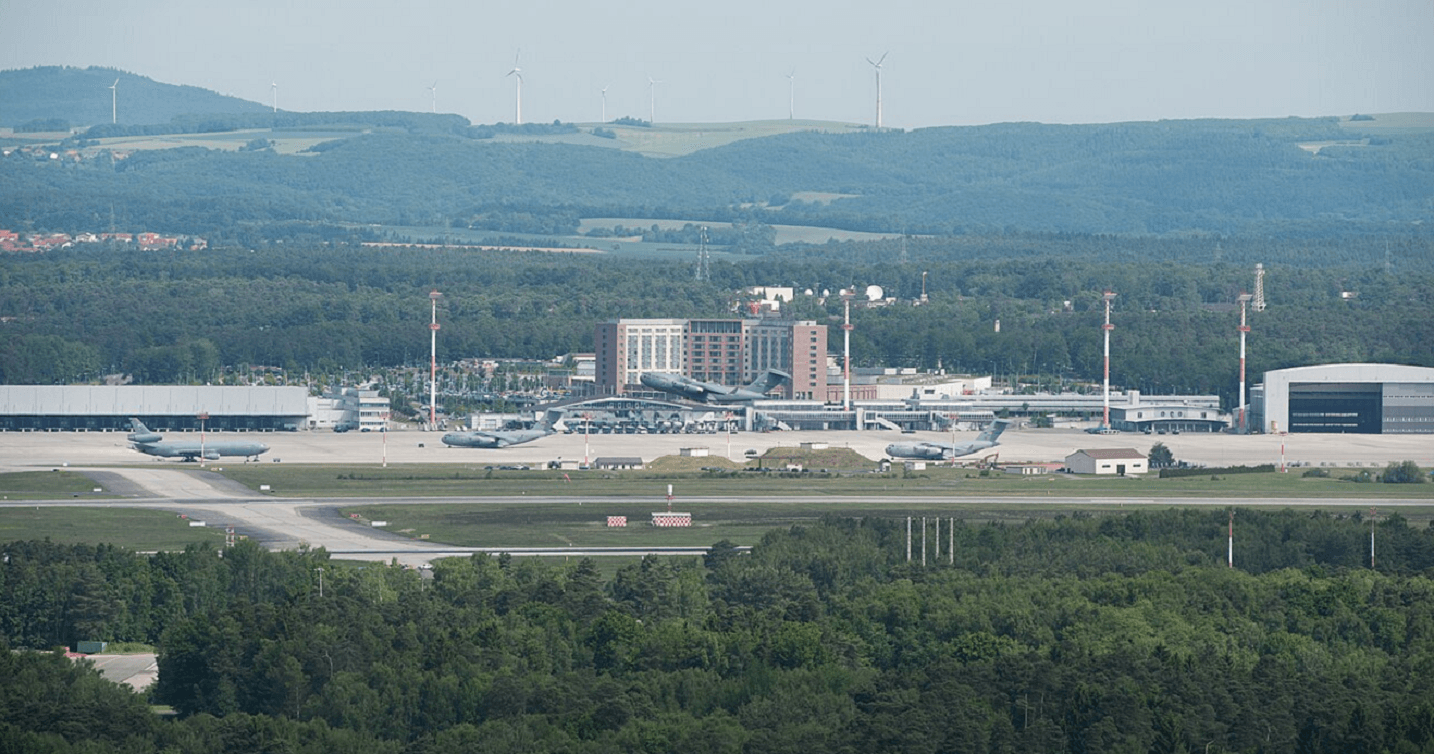
WASHINGTON — President Donald Trump has directed the Pentagon to withdraw approximately 5,000 U.S. troops from Germany over the next six to 12 months, the first concrete punitive measure against a NATO ally that provided little to no support during the U.S.-led military campaign against Iran.
The Pentagon confirmed the drawdown Friday, describing it as part of a review of theater requirements and a direct response to German Chancellor Friedrich Merz’s criticism of U.S. strategy in the Iran conflict. Merz had publicly stated that Iran was “humiliating” the United States and questioned Washington’s approach to the two-month-old war and subsequent naval blockade of Iranian ports.
The United States currently maintains roughly 35,000–40,000 troops in Germany, the largest American military footprint in Europe. Key facilities such as Ramstein Air Base serve as critical logistics hubs for U.S. operations in Europe, Africa, and the Middle East. The planned reduction will bring U.S. forces in Germany back to roughly pre-2022 levels.
The move follows weeks of escalating frustration from the Trump administration toward NATO partners who declined to provide meaningful assistance in the Iran operation or in efforts to reopen the Strait of Hormuz. Trump has repeatedly criticized European allies for failing to back the United States and Israel during the conflict, calling their lack of support unacceptable.
Administration officials have indicated this is only the beginning of potential consequences for “unhelpful” NATO members. Internal discussions have explored relocating U.S. troops from countries perceived as uncooperative — including Italy and Spain — to more supportive allies such as Poland and Romania. Trump has publicly singled out Italy and Spain for providing “no help” or being “horrible” in efforts to secure the Strait of Hormuz, through which roughly 20% of global seaborne oil passes.
The troop withdrawal from Germany fulfills a long-standing Trump priority. During his first term, he announced plans to reduce forces in Germany over what he viewed as insufficient defense spending and burden-sharing by Berlin, though that effort was later paused. The current decision is explicitly tied to Germany’s stance on the Iran mission rather than solely to spending levels.
NATO Secretary General Mark Rutte and other alliance officials have expressed concern over the move, warning it could weaken deterrence against Russia and strain transatlantic unity. German officials have downplayed the significance, noting that the U.S. presence remains substantial even after the reduction.
The announcement reflects the administration’s view that the U.S. should no longer shoulder a disproportionate share of NATO’s defense burden when key allies decline to support critical U.S. operations. Further decisions on additional troop adjustments across Europe are expected in the coming weeks as the administration reviews overall force posture in response to allied support during the Iran conflict.
Join the Team
Are you trying to break into news writing but struggling to get published at major outlets? At RWT News, we're always looking for talented, motivated writers who share our commitment to straightforward, factual conservative journalism. If you believe in honest reporting and want real experience and bylines, we'd love to hear from you.
Visit our Join the Team page to learn more and contact us directly.