Trump Increases Tariffs on Steel and Aluminum Imports to Protect American Industry
In a statement, Trump said the higher tariffs will “finally put American steel and aluminum workers first” and end decades of reliance on foreign metals, particularly from China, which has been accused of dumping subsidized products into the U.S. market.
 Tommy Flynn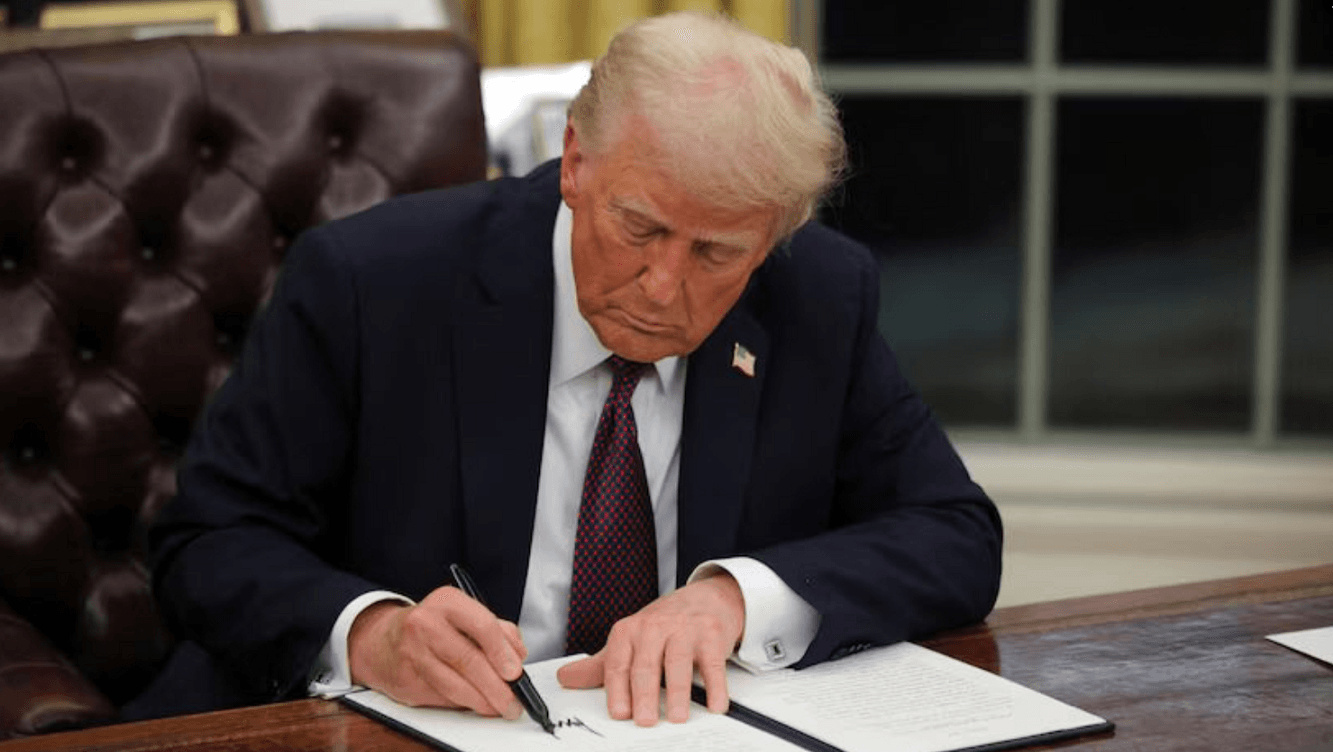
WASHINGTON – President Trump announced on April 9, 2026, that he is significantly strengthening tariffs on imported steel, aluminum and copper to protect American industry and encourage domestic production.
Under the new policy, the tariff on steel imports rises to 50% for raw materials and 25% for manufactured products containing significant metal, but a reduced tariff of 15% for industrial and electrical grid equipment to support domestic growth of manufacturing and infrastructure. The measures take effect immediately for most countries.
In a statement, Trump said the higher tariffs will “finally put American steel and aluminum workers first” and end decades of reliance on foreign metals, particularly from China, which has been accused of dumping subsidized products into the U.S. market.
Commerce Secretary Howard Lutnick described the action as essential for national security and long-term industrial strength. “We cannot continue to depend on adversaries for critical materials like steel and aluminum,” Lutnick said. “These tariffs will help rebuild our domestic supply chains and support American jobs.”
The decision builds on tariffs Trump first imposed during his initial term and reflects his ongoing “America First” trade policy. U.S. steel and aluminum producers welcomed the announcement, saying it will stabilize prices and provide much-needed protection against unfair foreign competition.
Critics warn the tariffs could raise costs for American manufacturers that rely on imported metals for cars, appliances, construction materials, and other products. Some foreign governments have signaled they may respond with retaliatory tariffs on U.S. exports.
The White House indicated that certain allies may receive temporary exemptions or quotas if they agree to stronger reciprocity measures, but details on specific country-by-country adjustments have not yet been released.
This latest tariff increase is part of the Trump administration’s broader strategy to reshape U.S. trade policy and prioritize domestic production of strategic materials. Officials said they will closely monitor the economic impact and make adjustments as needed to support American industry.
Join the Team
Are you trying to break into news writing but struggling to get published at major outlets? At RWT News, we're always looking for talented, motivated writers who share our commitment to straightforward, factual conservative journalism. If you believe in honest reporting and want real experience and bylines, we'd love to hear from you.
Visit our Join the Team page to learn more and contact us directly.