Trump Hosts Tina Peters at White House Following Her Release from Prison
Trump detailed the hardships she endured, noting her age, health challenges including a major bout with cancer from which she was reportedly recovering, and time in solitary confinement.
 Tommy Flynn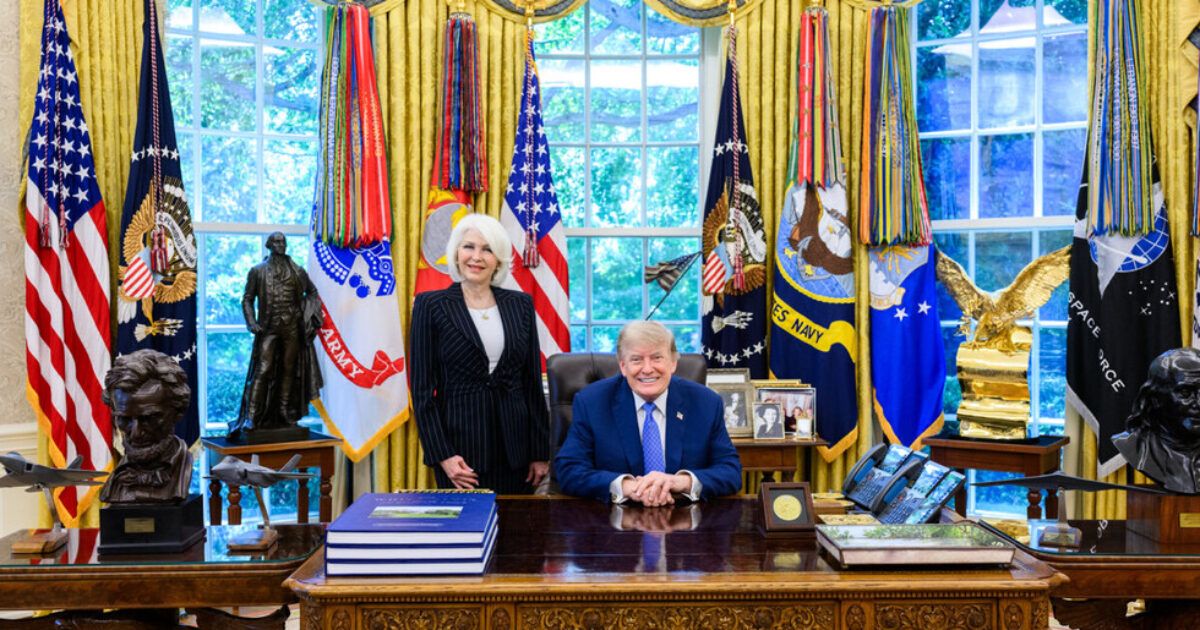
President Donald Trump welcomed former Mesa County, Colorado, election clerk Tina Peters to the White House on June 30, 2026, for a meeting in the Oval Office and lunch. Peters, who had been imprisoned for over two years after her October 2024 conviction on charges related to accessing and breaching county election systems, was released earlier in June following a sentence commutation by Colorado Governor Jared Polis. Trump publicly credited his efforts in pressing Republicans to secure her freedom and highlighted her case as an example of political persecution for raising concerns about election integrity.
Peters, 70 at the time of her release, had served approximately two years of a nine-year prison sentence. Much of that time was spent in solitary confinement alongside serious offenders. She faced seven felony counts stemming from her actions in 2021, when she authorized access to Mesa County’s Dominion voting systems as part of an effort to investigate potential irregularities in the 2020 election. Prosecutors accused her of breaching security protocols and leaking passwords, charges she and supporters maintained were politically motivated retaliation for her whistleblower activities. Peters had argued that her office possessed the necessary passwords, consistent with practices upheld in other jurisdictions during similar audits.
The case drew national attention as a flashpoint in debates over election security. Peters positioned herself as a defender of transparent voting processes, claiming her probe revealed vulnerabilities in electronic systems and mail-in ballot procedures. Critics, including state officials backed by groups aligned with Secretary of State Jena Griswold, portrayed the actions as unauthorized interference aimed at undermining certified results. Judge Matthew Barrett denied bond during proceedings, citing Peters’ continued public statements on election issues. Her supporters framed the prosecution as lawfare intended to silence dissent ahead of future elections.
Trump announced the White House visit on Truth Social, stating that Peters came to thank him for intervening in her case. “Tina Peters just came to the White House to thank me for getting her released from prison in Colorado,” he wrote. “She was put there because she found Election Fraud, but instead of arresting the people that committed the Fraud, they arrested her!” Trump detailed the hardships she endured, noting her age, health challenges including a major bout with cancer from which she was reportedly recovering, and time in solitary confinement. He emphasized that she had been targeted for exposing what he described as rigged voting machines, disastrous mail-in ballots, and corrupt election practices at a time when vigilance against threats like communism remains essential.
Peters shared her own reaction on social media, posting a photo from the Presidential Walk of Fame in the White House Rose Garden and calling Trump the “Greatest President Ever.” The visit underscored Trump’s ongoing focus on election integrity issues, with him noting that his own 2024 victory margin was too large to rig despite attempts to do so. He expressed that Peters’ experience should never be repeated and that her knowledge of voting system vulnerabilities made her a valuable voice.
The commutation of Peters’ sentence followed sustained public pressure from Trump and Republican advocates who had made “Free Tina” a rallying cry. Polis, a Democrat, acted after months of advocacy highlighting what supporters called disproportionate punishment for a local official acting within her authority to review election equipment. Peters emerged from prison to renewed prominence on the conservative circuit, appearing at events like the GOP Freedom Fest before her White House meeting.
This gathering at the White House highlights broader tensions over election administration and accountability. Peters’ case involved disputes about access to proprietary voting technology, the role of local officials in oversight, and the balance between transparency and security protocols. Trump used the platform to reiterate concerns about vulnerabilities in current systems and the need for reforms to protect against fraud. The event also served as recognition for individuals who have faced legal consequences while advocating for stricter election standards.
Peters’ release and subsequent visit reflect ongoing national conversations about the fairness of prosecutions tied to post-2020 election inquiries. Supporters view her as a symbol of resistance against efforts to suppress scrutiny of voting processes. The White House meeting reinforces Trump’s commitment to those who challenged what he describes as systemic issues in American elections, positioning her story within a larger push for accountability and reform ahead of future contests. Details of their discussion were not disclosed, but the public framing centered on vindication for Peters and a warning about the dangers of politicized justice in election matters.
Support Independent Conservative News
RWTNews is independent conservative news — no corporate backing, no agenda driven by advertisers. We rely entirely on readers like you to keep the lights on and the truth coming. If you've found value in what you read here, consider supporting us with a one-time or monthly contribution. Every dollar goes directly toward keeping this site running and growing.
Secured by Stripe. Your payment info is never stored on our servers.