Trump Expresses Skepticism Over Iran’s Latest 14-Point Peace Proposal
The latest Iranian offer comes amid a fragile indefinite ceasefire that took effect in early April after two months of direct U.S.-Israeli strikes on Iranian targets.
 Tommy Flynn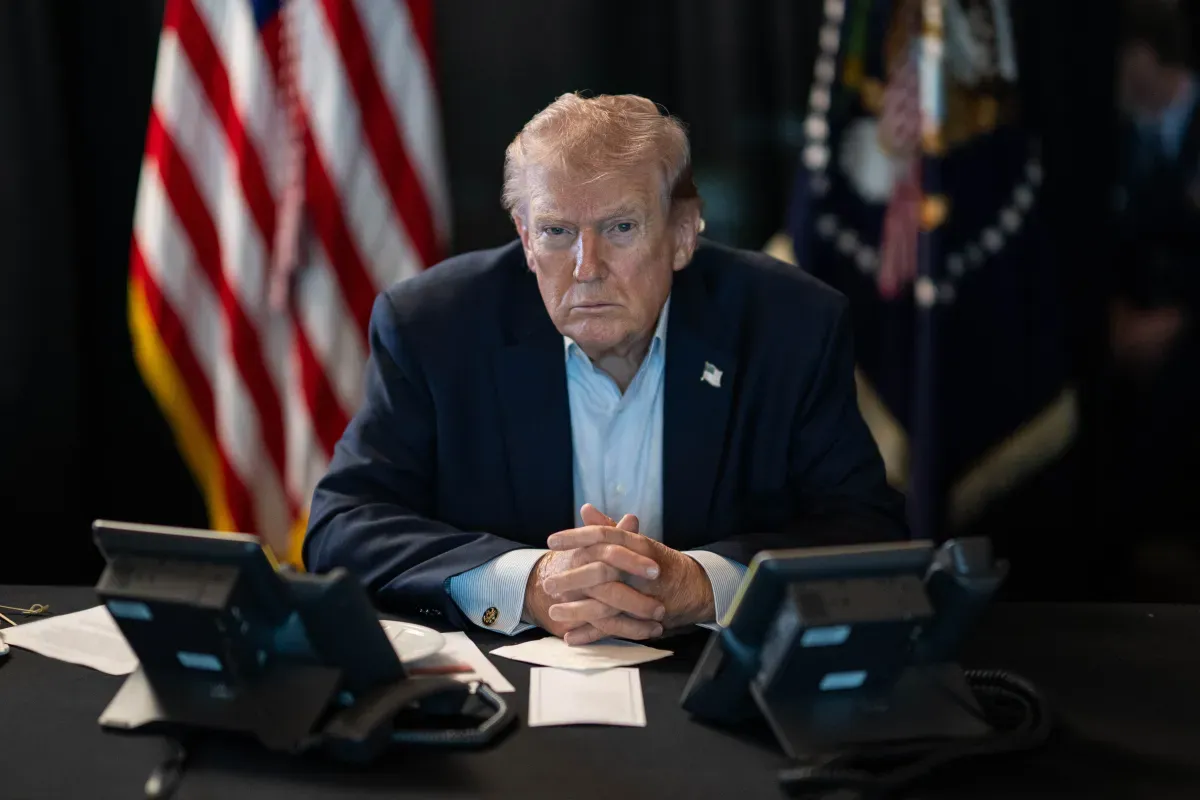
WASHINGTON — Iran has submitted a new 14-point peace proposal to U.S. mediators in Pakistan aimed at ending the conflict and establishing a framework for managing the Strait of Hormuz, but President Donald Trump indicated he is not optimistic the offer will be acceptable.
Trump said Friday he will review the plan but doubts it meets U.S. demands. “I will soon be reviewing the plan that Iran has just sent to us, but can’t imagine that it would be acceptable in that they have not yet paid a big enough price for what they have done to Humanity, and the World, over the last 47 years,” he posted on Truth Social. In a brief interview with reporters in West Palm Beach, Florida, he added: “If they misbehave, if they do something bad, but right now, we’ll see. But it’s a possibility that could happen, certainly,” leaving open the possibility of renewed military action.
The proposal, conveyed through Pakistani intermediaries, focuses on ending the conflict on all fronts and creating a new framework for the Strait of Hormuz, which Iran has largely controlled since the war began. Iranian officials have indicated they want to separate the reopening of the strait from immediate nuclear negotiations, treating the Hormuz issue as a confidence-building measure. Tehran has insisted the U.S. must first lift its naval blockade of Iranian ports before broader talks can advance.
The latest Iranian offer comes amid a fragile indefinite ceasefire that took effect in early April after two months of direct U.S.-Israeli strikes on Iranian targets. The U.S. has maintained its naval blockade of Iranian ports, which has severely curtailed Tehran’s oil exports and cost the regime hundreds of millions of dollars daily. Oil prices remain about 50 percent above pre-war levels, contributing to higher fuel costs for American consumers.
Iranian officials have sent mixed signals. A senior military figure warned that renewed conflict is likely, while others described Iran as prepared for either diplomacy or confrontation. Deputy Foreign Minister Kazem Gharibabadi said the “ball is in the United States’ court” to choose diplomacy or continued confrontation. Iran has also accused Washington of hypocritical behavior regarding its nuclear program.
The Trump administration has made clear that any final deal must include verifiable limits on Iran’s nuclear ambitions and an end to its destabilizing regional activities. Trump has repeatedly stressed that the blockade will remain in place until a comprehensive agreement is reached.
Pakistani mediators continue to facilitate indirect communications, but no new direct talks have been scheduled. The latest Iranian proposal appears to be an attempt to ease economic pressure from the blockade while deferring the most difficult nuclear issues.
For the Trump administration, the skepticism reflects a determination not to accept a deal that fails to deliver lasting security gains after significant U.S. and Israeli military investment. The coming days will determine whether the new proposal leads to meaningful progress or if the administration continues to maintain maximum pressure through the blockade and other enforcement measures.
Join the Team
Are you trying to break into news writing but struggling to get published at major outlets? At RWT News, we're always looking for talented, motivated writers who share our commitment to straightforward, factual conservative journalism. If you believe in honest reporting and want real experience and bylines, we'd love to hear from you.
Visit our Join the Team page to learn more and contact us directly.