Trump Announces Pakistan-Brokered Two-Week Ceasefire with Iran, Subject to Reopening of Strait of Hormuz
The announcement came less than two hours before Trump’s self-imposed 8 p.m. ET deadline for Iran to accept a broader U.S. peace proposal or face escalated strikes on Iranian infrastructure.
 Tommy Flynn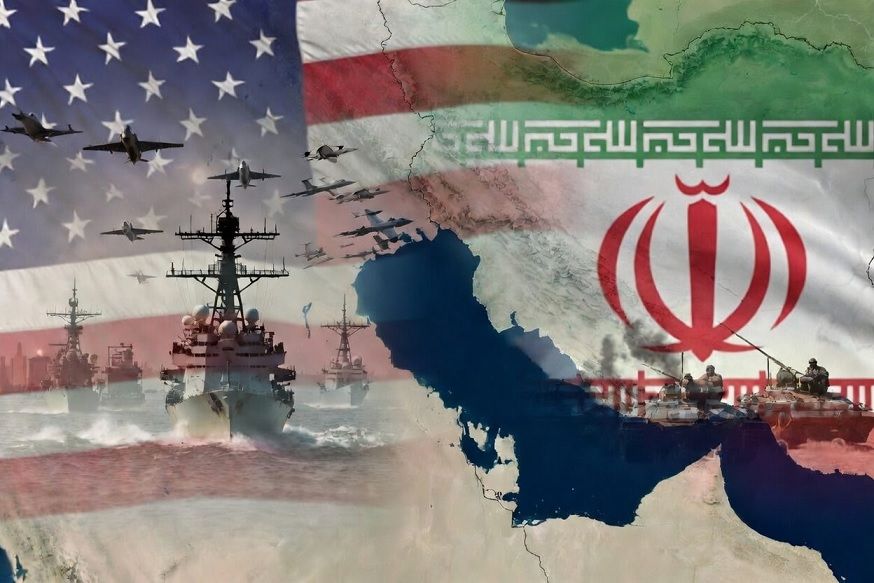
ASHINGTON – President Donald Trump announced Tuesday evening that the United States has agreed to a two-week ceasefire with Iran, brokered by Pakistan, provided Tehran immediately and safely reopens the Strait of Hormuz to commercial shipping.
In a Truth Social post, Trump stated: “Based on conversations with Prime Minister Shehbaz Sharif and Field Marshal Asim Munir of Pakistan… and subject to the Islamic Republic of Iran agreeing to the COMPLETE, IMMEDIATE, and SAFE OPENING of the Strait of Hormuz, I agree to suspend the bombing and attack of Iran for a period of two weeks.”
The announcement came less than two hours before Trump’s self-imposed 8 p.m. ET deadline for Iran to accept a broader U.S. peace proposal or face escalated strikes on Iranian infrastructure.
Under the Pakistan-mediated framework, the two-week ceasefire is intended to create space for negotiations on a permanent peace settlement. Talks are expected to begin soon in Islamabad. Trump noted that Iran has proposed a “workable” 10-point peace plan and said “almost all of the various points of past contention have been agreed to between the United States and Iran.”
Iran’s Supreme National Security Council confirmed acceptance of the two-week ceasefire and said negotiations with the U.S. will take place in Islamabad. Iranian Foreign Minister Abbas Araghchi stated that passage through the Strait of Hormuz would be coordinated with Iranian armed forces during the ceasefire period.
The ceasefire also extends to halting fighting involving Israel and Hezbollah in Lebanon, according to Pakistani officials.
The agreement marks a significant diplomatic development six weeks into the conflict that began with U.S. and Israeli strikes on Iranian targets on February 28, 2026. Iran had partially blocked the Strait of Hormuz — a critical chokepoint for roughly one-fifth of global oil shipments — in retaliation, causing sharp increases in energy prices worldwide.
Pakistan played a central role in the mediation, with Prime Minister Sharif and Army Chief Gen. Asim Munir conducting intensive overnight contacts with U.S. Vice President JD Vance, special envoy Steve Witkoff, and Iranian officials.
Gulf states most directly threatened by Iran have privately supported continued pressure on Tehran, while the Trump administration has repeatedly criticized European allies for failing to provide meaningful naval support to secure the strait.
The two-week pause is conditional on Iran’s full compliance with reopening the waterway. Trump has made clear that any violation would end the ceasefire immediately. The Pentagon has not yet commented on operational changes, but officials say U.S. forces remain on high alert.
This is a developing story. Further details on the exact terms of the 10-point proposal and the timeline for negotiations in Islamabad are expected in the coming days.
Support Independent Conservative News
RWTNews is independent conservative news — no corporate backing, no agenda driven by advertisers. We rely entirely on readers like you to keep the lights on and the truth coming. If you've found value in what you read here, consider supporting us with a one-time or monthly contribution. Every dollar goes directly toward keeping this site running and growing.
Secured by Stripe. Your payment info is never stored on our servers.