Trump and Iran Finalize Peace Agreement, Formal Signing Scheduled for June 19 in Switzerland
The agreement, described by Trump as a “great settlement,” was electronically signed earlier and brings an immediate end to hostilities.
 Tommy Flynn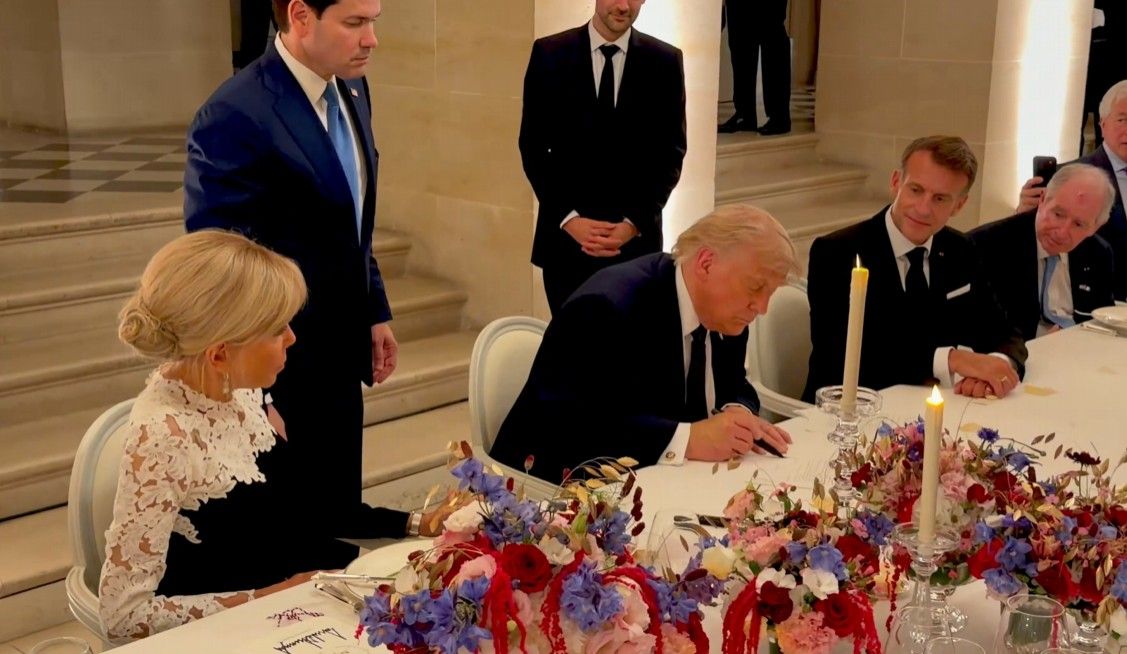
Washington, D.C. – President Donald Trump and Iranian officials confirmed on June 17, 2026, that the United States and Iran have reached and finalized a Memorandum of Understanding (MOU) to end the three-month conflict, with a formal signing ceremony set for Friday, June 19, in Switzerland.
The agreement, described by Trump as a “great settlement,” was electronically signed earlier and brings an immediate end to hostilities. It includes the full reopening of the Strait of Hormuz to unrestricted commercial shipping, the lifting of the U.S. naval blockade within 30 days, and a 60-day ceasefire extension to allow for deeper negotiations on Iran’s nuclear program and other issues.
Key provisions in the 14-point MOU include:
- Immediate and permanent termination of military operations on all fronts, including Lebanon.
- Respect for each other’s sovereignty and territorial integrity.
- Toll-free passage through the Strait of Hormuz for commercial shipping.
- Phased sanctions relief, including immediate waivers for Iran’s fossil fuel industry.
- Release of frozen Iranian assets (reports vary between $12-24 billion initially).
- A commitment from Iran to never develop or procure nuclear weapons.
- Framework for a $300 billion international reconstruction and development fund, supported by regional partners and private investment, with releases tied to compliance.
- Establishment of an implementation mechanism and transition to a final comprehensive agreement, potentially endorsed by the UN Security Council.
Trump emphasized that the deal ensures Iran will never acquire a nuclear weapon and praised the pressure campaign that brought Tehran to the table. Iranian Foreign Minister Abbas Araghchi described the agreement as advancing in stages, beginning with de-escalation and economic relief, followed by technical nuclear talks.
Just prior to this evenings dinner at Versailles in France, hosted by President @EmmanuelMacron—President @realDonaldTrump signed the Iran Memorandum of Understanding, once Secretary Rubio received it…
— Dan Scavino (@Scavino47) June 17, 2026
“A pretty key moment in history we are sharing together…” @SecRubio pic.twitter.com/sLYi6G9TM3
The breakthrough was mediated by Oman, Qatar, and Pakistan. Pakistani Prime Minister Shehbaz Sharif played a key role in finalizing the text. The formal signing in Geneva is expected to involve high-level representatives, with Vice President JD Vance likely representing the U.S. side.
This agreement differs significantly from the 2015 JCPOA by linking economic benefits to verifiable compliance and building on demonstrated U.S. military leverage, including strikes that degraded Iranian capabilities and a naval blockade that curtailed oil exports. It addresses immediate concerns like safe navigation in the strait while deferring more contentious nuclear and ballistic missile issues to the 60-day window.
Implementation begins immediately upon signing, with the naval blockade lifted and commercial shipping resuming. Challenges remain in verifying compliance, managing proxy dynamics (particularly in Lebanon), and completing the final accord. Both sides have expressed guarded optimism, with Trump warning of severe consequences for any violations.
The deal is being hailed by the administration as a major foreign policy victory achieved through “peace through strength,” potentially stabilizing global energy markets and reducing regional tensions. Critics argue it may leave long-term threats unaddressed, while supporters see it as a pragmatic path to de-escalation.
Further details on exact terms, governance of the reconstruction fund, and long-term nuclear negotiations are expected following the June 19 ceremony. Markets reacted positively to the announcement, with oil prices declining on expectations of normalized shipping flows.
This marks a significant turning point after months of conflict that began with U.S.-Israeli strikes in late February 2026. The coming weeks will test the durability of the agreement as both sides work toward a permanent resolution.
Join the Team
Are you trying to break into news writing but struggling to get published at major outlets? At RWT News, we're always looking for talented, motivated writers who share our commitment to straightforward, factual conservative journalism. If you believe in honest reporting and want real experience and bylines, we'd love to hear from you.
Visit our Join the Team page to learn more and contact us directly.