Trump Administration Weighs Unilateral Action to Pay Unpaid TSA Officers, Bypassing Congress During Partial DHS Shutdown
Sen. John Kennedy (R-La.), a leading voice on resolving the impasse, told reporters Thursday he expects President Donald Trump to announce a solution to the TSA pay crisis as early as Thursday afternoon. Kennedy said he is holding off on new legislation because he anticipates direct administration action.
 Tommy Flynn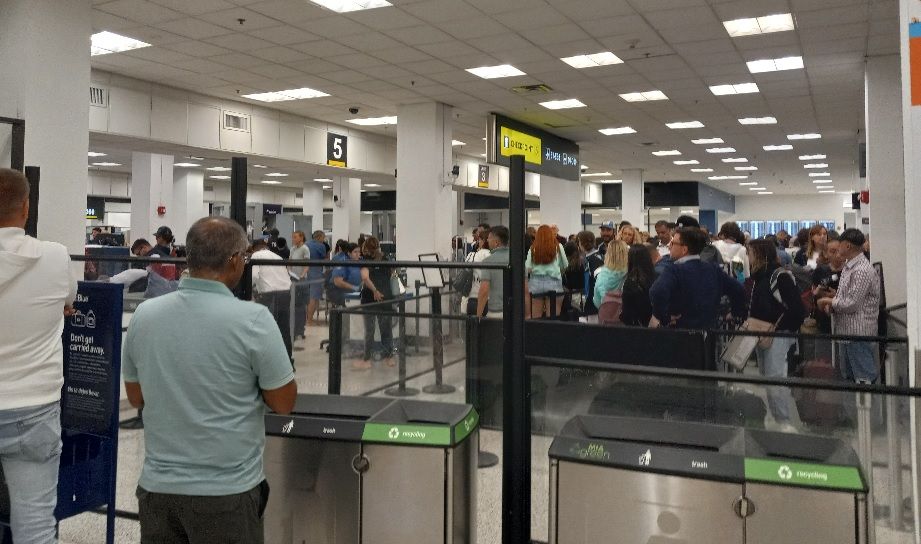
WASHINGTON – The Trump administration is actively considering unilateral executive action to ensure paychecks for approximately 50,000 Transportation Security Administration officers who have gone without compensation since the partial Department of Homeland Security shutdown began Feb. 14, 2026.
The Washington Post first reported the potential bypass plan, citing people familiar with internal discussions. Senate Majority Leader John Thune (R-S.D.) briefed Republican senators on the idea during a closed-door lunch this week, according to multiple GOP sources.
White House Press Secretary Karoline Leavitt confirmed that senior officials are exploring options to blunt the shutdown’s effects on essential workers. “We are having conversations about ideas to blunt the impact of this shutdown,” Leavitt said. She stressed, however, that “no preparations or plans are currently underway” for any specific measure.
Sen. John Kennedy (R-La.), a leading voice on resolving the impasse, told reporters Thursday he expects President Donald Trump to announce a solution to the TSA pay crisis as early as Thursday afternoon. Kennedy said he is holding off on new legislation because he anticipates direct administration action.
The partial shutdown, now in its sixth week, stems from a deadlock over funding for Immigration and Customs Enforcement operations. Democrats have refused to support full DHS funding without additional restrictions on immigration enforcement and deportations. President Trump has rejected partial deals that exclude ICE, insisting any resolution must also advance border security measures, including elements of the SAVE America Act requiring proof of U.S. citizenship for voter registration.
TSA officers, deemed essential personnel, continue to work without pay — marking the third time in less than six months they have faced unpaid periods. More than 458 officers have resigned since mid-February, according to DHS data, while call-out and absence rates have soared to as high as 40% at some major airports. Travelers now face the longest security lines in TSA history, with wait times exceeding four hours at peak spring-break hubs in Atlanta, Houston, New Orleans, New York, and Chicago.
The financial strain on TSA families has been severe. Officers have reported overdrawn bank accounts, delayed rent payments, and other hardships despite the guarantee of eventual back pay once funding is restored. Acting TSA Administrator Ha Nguyen McNeil testified this week that the staffing shortages threaten the agency’s security posture and long-term workforce stability.
Legal experts note that any executive action to pay federal employees during a lapse in appropriations would face scrutiny under the Antideficiency Act, which bars spending unappropriated funds. Possible mechanisms under discussion include reprogramming limited existing authorities or tapping other emergency funding streams, though specifics remain undisclosed. Such a step would represent a significant use of executive discretion to protect aviation security while Congress negotiates.
Trump has repeatedly criticized Democrats for prioritizing political demands over the safety of American travelers and the well-being of frontline DHS personnel. The administration continues to pursue both short-term relief for TSA workers and longer-term resolution through full-year appropriations or budget reconciliation, as previously proposed by Kennedy.
No final decision on unilateral action has been announced, and talks on Capitol Hill remain fluid. The White House maintains that protecting essential workers and national security remains the top priority amid the funding stalemate.
Support Independent Conservative News
RWTNews is independent conservative news — no corporate backing, no agenda driven by advertisers. We rely entirely on readers like you to keep the lights on and the truth coming. If you've found value in what you read here, consider supporting us with a one-time or monthly contribution. Every dollar goes directly toward keeping this site running and growing.
Secured by Stripe. Your payment info is never stored on our servers.