Trump Administration Waives Jones Act for 60 Days to Speed Domestic Fuel Shipments Amid Iran Conflict
This temporary suspension is the latest step in the administration’s effort to lower fuel prices that have spiked above $100 per barrel since Iran began mining the Strait of Hormuz and blocking tanker traffic in late February.
 Tommy Flynn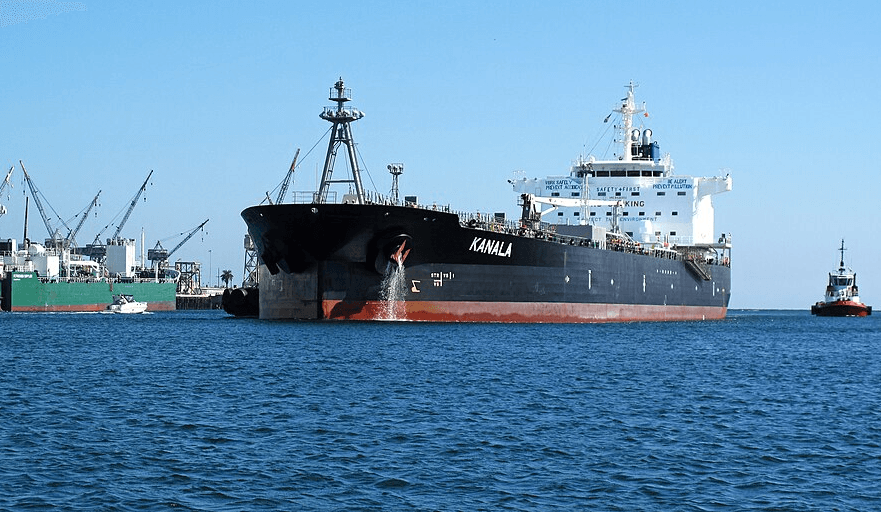
The Trump administration issued a 60-day waiver of the Jones Act on March 17, 2026, allowing foreign-flagged vessels to transport fuel between U.S. ports in order to ease domestic supply bottlenecks caused by disruptions in the Strait of Hormuz.
The Merchant Marine Act of 1920, commonly known as the Jones Act, requires that goods shipped between U.S. ports be carried exclusively on vessels that are U.S.-built, U.S.-owned, U.S.-flagged, and crewed by American mariners. Enacted nearly 106 years ago to protect the domestic shipping industry and ensure national security during wartime, the law has long been criticized by energy producers and economists for inflating the cost of moving fuel and other goods within the United States. Waivers are rare and typically granted only during emergencies such as natural disasters.
This temporary suspension is the latest step in the administration’s effort to lower fuel prices that have spiked above $100 per barrel since Iran began mining the Strait of Hormuz and blocking tanker traffic in late February. With roughly one-fifth of global oil trade passing through the waterway, the conflict has created shortages and logistical bottlenecks for domestic refiners trying to move product from Gulf Coast facilities to East and West Coast markets.
The waiver complements other recent actions aimed at boosting domestic supply and cutting costs. Last week President Trump invoked the Defense Production Act to override California state restrictions and restart offshore oil production at the Santa Ynez Unit, operated by Sable Offshore. The administration has also drawn down the Strategic Petroleum Reserve and coordinated with the International Energy Agency for a record 400-million-barrel global release.
Transportation Secretary Sean Duffy said the Jones Act waiver will “immediately unlock additional tanker capacity” and help stabilize prices at the pump as spring driving season begins. Energy Secretary Chris Wright added that the combined measures—DPA invocation, SPR releases, and now the maritime waiver—are designed to “ensure American families and businesses are not held hostage by foreign conflicts.”
Critics of the Jones Act have long argued the law protects a small domestic fleet at the expense of consumers. Supporters maintain it preserves American jobs and prevents reliance on foreign shipping during crises. The 60-day window ends May 16 unless extended.
The administration has indicated further relief measures could follow if the Iran situation persists.
Join the Team
Are you trying to break into news writing but struggling to get published at major outlets? At RWT News, we're always looking for talented, motivated writers who share our commitment to straightforward, factual conservative journalism. If you believe in honest reporting and want real experience and bylines, we'd love to hear from you.
Visit our Join the Team page to learn more and contact us directly.