Trump Administration Petitions Supreme Court to Review Birthright Citizenship Executive Order
Annually, approximately 300,000 to 400,000 babies are born in the U.S. to non-citizen parents, including undocumented immigrants, representing about 8% of total births.
 Tommy Flynn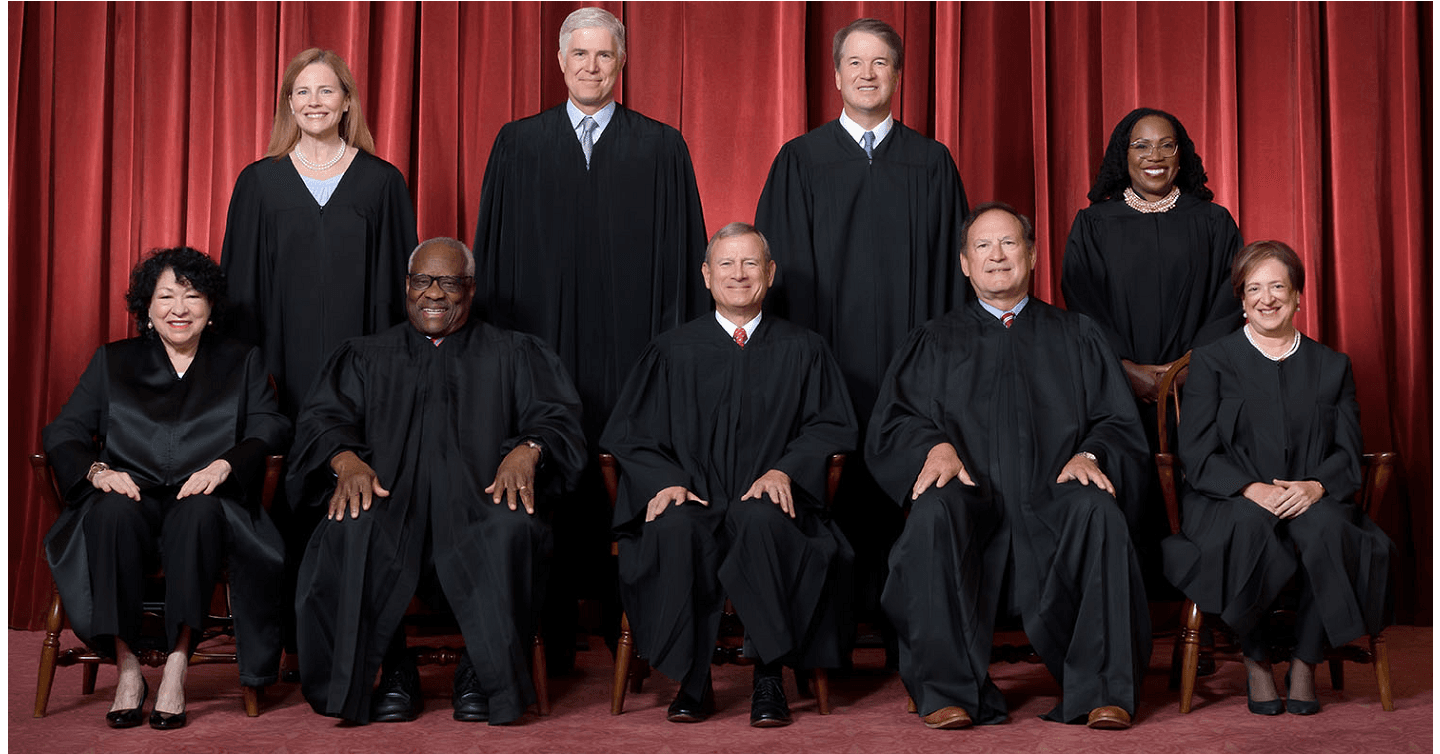
The Trump administration filed a petition Friday asking the Supreme Court to review the constitutionality of President Donald Trump's January 20 executive order directing federal agencies to deny citizenship recognition to U.S.-born children without at least one citizen or lawful permanent resident parent. The order challenges the 14th Amendment's birthright citizenship clause, interpreting "subject to the jurisdiction thereof" to exclude children of undocumented immigrants or temporary visitors.
Birthright citizenship, or jus soli, stems from the 14th Amendment, ratified in 1868 to grant citizenship to formerly enslaved people and overturn the 1857 Dred Scott v. Sandford decision denying Black Americans citizenship. The Supreme Court affirmed its scope in United States v. Wong Kim Ark (1898), ruling a child born in San Francisco to non-citizen Chinese parents a citizen by birthright. This precedent has applied universally, unaffected by parental status, per the Congressional Research Service.
Annually, approximately 300,000 to 400,000 babies are born in the U.S. to non-citizen parents, including undocumented immigrants, representing about 8% of total births. Pew Research estimates 250,000 to 350,000 such births in recent years, with the Center for Immigration Studies citing 370,000 in 2023. These children gain automatic citizenship, potentially qualifying parents for future immigration benefits through family sponsorship after age 21.
The policy has facilitated "birth tourism," where foreign nationals enter the U.S. to deliver for citizenship advantages, with China a primary source. U.S. Customs and Border Protection reported over 10,000 Chinese nationals involved in birth tourism cases from 2011-2015, with estimates of 30,000-36,000 annual participants by 2018. A 2020 DHS report identified networks in California and New York catering to Chinese clients, charging $40,000-$80,000 per birth.
Such practices pose national security risks, as Chinese citizens exploiting the system could establish long-term footholds for influence operations. The FBI has warned of espionage threats from Chinese nationals using family ties, with a 2023 congressional report noting over 500 cases of intellectual property theft linked to such networks. President Trump, who first proposed ending birthright citizenship in 2018, reiterated it incentivizes illegal entry and undermines sovereignty.
Lower courts blocked the order in February, prompting the administration's Supreme Court appeal, which argues the 14th Amendment's jurisdiction clause excludes non-permanent residents. A ruling could redefine citizenship for millions, though experts predict challenges in implementation without congressional action.
Join the Team
Are you trying to break into news writing but struggling to get published at major outlets? At RWT News, we're always looking for talented, motivated writers who share our commitment to straightforward, factual conservative journalism. If you believe in honest reporting and want real experience and bylines, we'd love to hear from you.
Visit our Join the Team page to learn more and contact us directly.