Trump Administration and Iran Signal Breakthrough in Peace Negotiations as Deal Appears Imminent
Iranian Foreign Minister Abbas Araghchi echoed the positive momentum, stating that a memorandum of understanding “has never been closer.”
 Tommy Flynn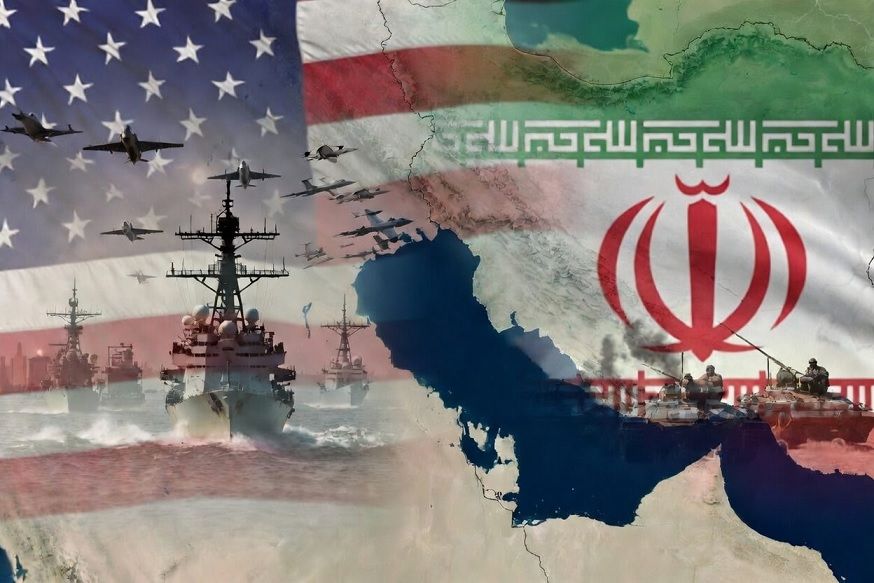
Washington, D.C. – The United States and Iran appear closer than ever to finalizing a comprehensive peace agreement that would extend the current ceasefire, reopen the Strait of Hormuz to full commercial shipping, and establish a framework for longer-term nuclear negotiations, according to statements from both sides on June 12, 2026.
President Donald Trump announced he had canceled planned additional strikes on Iran after discussions reached the highest levels of Iranian leadership and received approval. “Based on the fact that discussions with the Islamic Republic of Iran have been brought to the highest level of Iranian leadership and approved, I have... cancelled the scheduled strikes and bombings against Iran this evening,” Trump posted on Truth Social. He described the emerging deal as a “great settlement” and said final documents should be completed “over the next few days,” with a potential signing ceremony in Europe. Trump emphasized that the agreement ensures “Iran will never have a nuclear weapon.”
Iranian Foreign Minister Abbas Araghchi echoed the positive momentum, stating that a memorandum of understanding “has never been closer.” Araghchi cautioned against media speculation on specific terms but confirmed the deal would proceed in stages, beginning with an interim agreement covering the end of hostilities on multiple fronts, including Lebanon, and reopening the Strait of Hormuz. He noted that nuclear talks would follow implementation of the initial phase.
This round of indirect talks, mediated by Oman, Qatar, and Pakistan, differs markedly from previous efforts. Sustained U.S. military pressure—including strikes that degraded Iranian air defenses and naval capabilities, combined with a naval blockade that sharply reduced oil exports—has created stronger leverage than in past diplomatic cycles. The current framework also benefits from broader regional buy-in, including support from Israel and Gulf states, and focuses on verifiable actions rather than broad sanctions relief upfront.
Trump has stressed the deal’s strength compared to the 2015 JCPOA, while Araghchi highlighted Iran’s resilience but acknowledged the need for a practical path forward to ease economic pressures. Both sides have indicated that a memorandum of understanding could be signed soon, with the naval blockade remaining in place until finalization.
The potential agreement would mark a significant foreign policy achievement, potentially stabilizing global energy markets and reducing the risk of broader regional conflict. Details remain subject to final approval, but recent statements suggest a high probability of near-term progress. Further updates are anticipated in the coming days.
Join the Team
Are you trying to break into news writing but struggling to get published at major outlets? At RWT News, we're always looking for talented, motivated writers who share our commitment to straightforward, factual conservative journalism. If you believe in honest reporting and want real experience and bylines, we'd love to hear from you.
Visit our Join the Team page to learn more and contact us directly.