Toyota to Invest $3.6 Billion in Texas Plant Expansion, Shifting Tacoma Truck Production from Mexico
The move is expected to create about 2,000 new American jobs and significantly boost domestic output as the company responds to U.S. trade policies, including tariffs.
 Tommy Flynn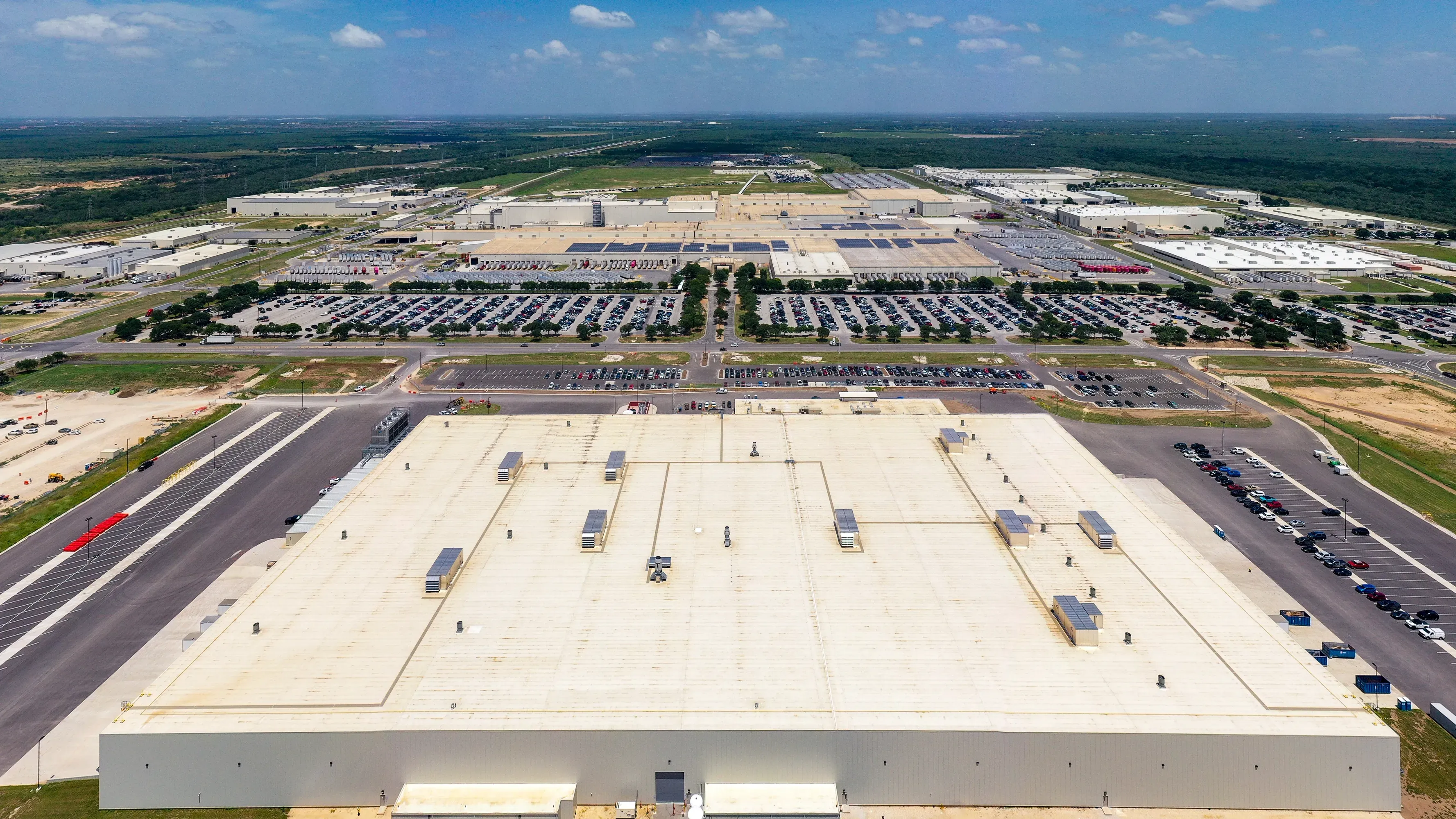
Toyota Motor Corp. announced plans to invest $3.6 billion in expanding its manufacturing campus in San Antonio, Texas, moving production of its popular Tacoma midsize pickup truck from Mexico back to the United States. The move is expected to create about 2,000 new American jobs and significantly boost domestic output as the company responds to U.S. trade policies, including tariffs on imports from Canada and Mexico.
The expansion will add a second vehicle assembly line at the existing San Antonio facility, which already produces the Tundra full-size pickup truck—including a hybrid version—and the Sequoia SUV hybrid. The plant’s size will roughly double to nearly 5 million square feet by 2030, increasing annual production capacity from around 200,000 to 350,000 units. A new 500,000-square-foot rear axle plant on the campus is also slated to begin production soon with a separate $531 million investment.
Production of the Tacoma, one of Toyota’s top-selling models, will gradually transfer from its Tijuana, Mexico, plant to Texas over the next four years. Toyota will continue producing some Tacoma trucks at its Guanajuato facility in Mexico while expanding operations in the U.S. The company emphasized that it is maintaining its overall North American production network.
The announcement comes less than a week after the Trump administration confirmed it would not extend the USMCA trilateral trade pact with Canada and Mexico, opting instead for annual reviews amid broader tariff measures on imported vehicles, steel, and aluminum. President Trump celebrated the news on social media, calling it “a really big deal” and crediting tariffs for encouraging companies to produce in the United States. The White House and U.S. Department of Labor highlighted the investment as evidence of jobs and manufacturing returning to America.
Toyota Motor North America CEO Ted Ogawa stated that the expansion reflects confidence in the U.S. workforce and innovation, deepening the company’s commitment to American manufacturing while creating sustainable jobs and meeting customer needs. Toyota has already invested $8.3 billion in the San Antonio site since its groundbreaking in 2003 and employs 48,000 people across the United States. The company plans up to $10 billion in additional domestic investments through 2030 beyond prior commitments.
This shift aligns with Toyota’s strategy to strengthen its position as a leader in U.S. vehicle sales, particularly as hybrid models gain popularity. The automaker’s U.S. sales through the first half of the year showed resilience compared to some competitors. By increasing domestic production, Toyota aims to reduce exposure to tariffs on imported vehicles and parts while supporting supply chain resilience.
The San Antonio expansion, sometimes referred to internally as Project Orca, builds on Toyota’s long-term presence in Texas and responds to policy incentives for U.S.-based manufacturing. It represents a concrete example of automakers adjusting operations to U.S. trade strategies aimed at bringing production and jobs back onshore.
Toyota’s decision underscores the impact of current U.S. trade policies on global supply chains. As the world’s largest automaker by sales, its move to expand in Texas signals confidence in American workers and positions the company for continued growth in its largest market. The added capacity will help meet demand while creating meaningful employment opportunities in the Lone Star State.
Join the Team
Are you trying to break into news writing but struggling to get published at major outlets? At RWT News, we're always looking for talented, motivated writers who share our commitment to straightforward, factual conservative journalism. If you believe in honest reporting and want real experience and bylines, we'd love to hear from you.
Visit our Join the Team page to learn more and contact us directly.