Tenuous Ceasefire in Iran Conflict Holds as Tehran Reimposes Controls on Strait of Hormuz
Trump, speaking at the White House, acknowledged the moves but struck an optimistic tone. He said Iran “got a little cute” and “can’t blackmail us,” while confirming that “very good conversations” are continuing and negotiations “are going actually along very well.”
 Tommy Flynn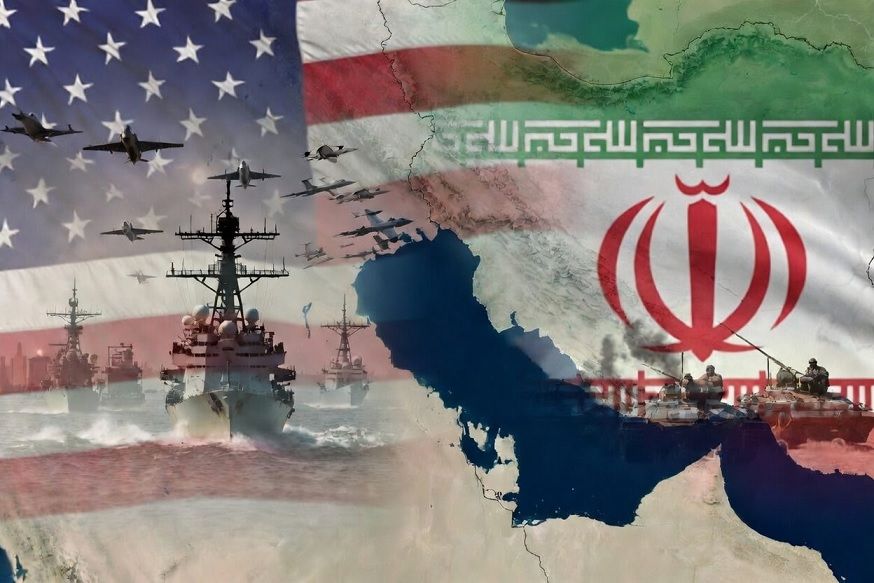
WASHINGTON — Despite Iran’s surprise reversal on the Strait of Hormuz and reports of warning shots at commercial vessels, the U.S.-Iran ceasefire held strong Saturday, April 18, 2026, as President Donald Trump led a high-level Situation Room meeting to push negotiations forward toward a lasting deal.
Just one day after Iran’s Foreign Minister declared the vital waterway open for traffic, Tehran reversed course. Citing the ongoing U.S. naval blockade of Iranian ports, Iranian forces reimposed strict controls, requiring coordinated routes and declaring the strait back under tight military oversight.
UK Maritime Trade Operations reported IRGC gunboats fired warning shots at least twice near vessels attempting transit. Affected ships included an India-flagged tanker and another commercial vessel; crews remained safe with no serious injuries or major damage reported. India formally protested the incidents.
Trump, speaking at the White House, acknowledged the moves but struck an optimistic tone. He said Iran “got a little cute” and “can’t blackmail us,” while confirming that “very good conversations” are continuing and negotiations “are going actually along very well.” He reaffirmed the U.S. blockade will remain until a comprehensive agreement is reached, including key nuclear concessions on uranium enrichment and stockpiles.
That same morning, Trump convened a Situation Room meeting with top officials—including Vice President JD Vance, Secretary of State Marco Rubio, Secretary of War Pete Hegseth, Treasury Secretary Scott Bessent, Chief of Staff Susie Wiles, envoy Steve Witkoff, CIA Director John Ratcliffe, and Joint Chiefs Chairman Gen. Dan Caine—to address Hormuz tensions and advance nuclear talks.
The 10-day (or two-week) ceasefire, brokered with Pakistani mediation and set to expire around April 22, has successfully prevented large-scale strikes so far. Diplomatic efforts continue through intermediaries, with Iran reviewing updated U.S. proposals.
Energy markets stayed stable amid the developments, reflecting confidence that strong U.S. leverage is bringing both sides closer to a durable peace benefiting American interests, global shipping, and regional stability. Trump’s firm yet hopeful leadership signals real momentum for ending the conflict on favorable terms.
Support Independent Conservative News
RWTNews is independent conservative news — no corporate backing, no agenda driven by advertisers. We rely entirely on readers like you to keep the lights on and the truth coming. If you've found value in what you read here, consider supporting us with a one-time or monthly contribution. Every dollar goes directly toward keeping this site running and growing.
Secured by Stripe. Your payment info is never stored on our servers.