Tariff Lawsuit Against Trump Heads to U.S. Court of International Trade as Oral Arguments Begin
A coalition of mostly Democrat-led states and small businesses sued the administration over the 10% across-the-board tariff on most imports, which was imposed under Section 122 of the Trade Act of 1974 .
 Tommy Flynn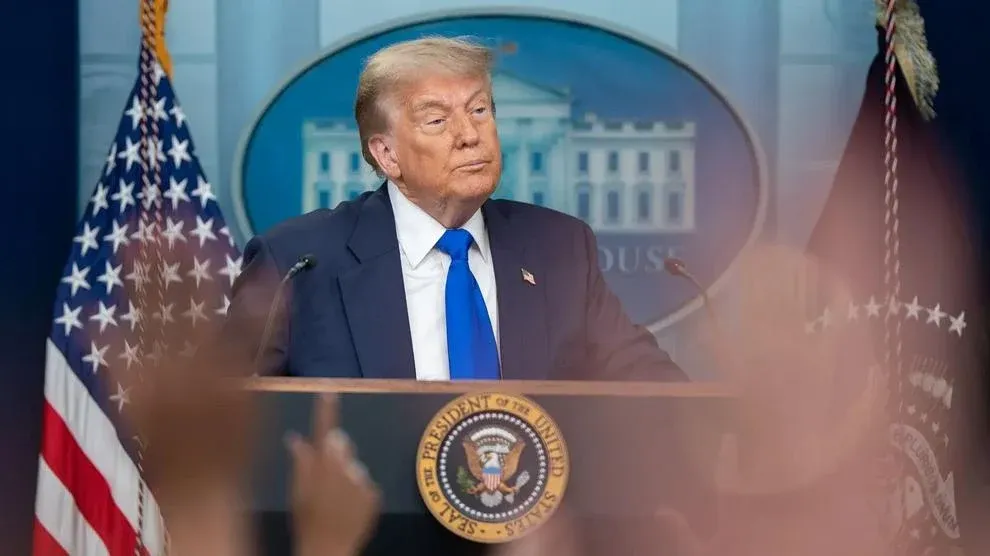
WASHINGTON – Oral arguments began today in a major legal challenge to President Donald Trump’s latest round of global tariffs before the U.S. Court of International Trade.
A coalition of mostly Democrat-led states and small businesses sued the administration over the 10% across-the-board tariff on most imports, which was imposed under Section 122 of the Trade Act of 1974 after the Supreme Court struck down earlier tariffs enacted under the International Emergency Economic Powers Act (IEEPA).
The plaintiffs argue that the new tariffs are unlawful because there is no qualifying international balance-of-payments emergency as required by the statute. They are seeking a permanent injunction blocking enforcement of the tariffs and refunds for importers who have already paid them.
The U.S. Court of International Trade (CIT) is a specialized federal court located in New York City with exclusive jurisdiction over civil actions arising out of U.S. laws providing for tariffs, duties, and import regulations. It was established to handle complex trade and customs disputes with expertise in international trade law.
This case is the latest chapter in an ongoing legal battle over the scope of presidential tariff authority. In February 2026, the Supreme Court ruled 6-3 that IEEPA does not grant the president the power to impose broad, open-ended tariffs. The Court held that the Constitution assigns the power to lay and collect duties and imposts to Congress, not the executive branch.
In response, the Trump administration quickly moved to impose new tariffs under alternative legal authorities, including Section 122 of the Trade Act. The current lawsuit contends that even these new measures exceed the president’s authority and do not meet the statutory requirements for emergency tariffs.
The outcome could have significant economic implications, potentially affecting billions of dollars in trade and setting a precedent for future presidential use of tariff powers. A ruling against the administration could also open the door to widespread refund claims from importers.
The Trump administration has defended the tariffs as necessary to address trade imbalances and protect American industry. Officials argue that the president has broad discretion in matters of national economic security and foreign trade.
Oral arguments are underway today before a three-judge panel of the CIT. The case could eventually reach the Federal Circuit and, potentially, the Supreme Court again.
This remains a developing story as the legal battle over the scope of presidential tariff authority continues.
Join the Team
Are you trying to break into news writing but struggling to get published at major outlets? At RWT News, we're always looking for talented, motivated writers who share our commitment to straightforward, factual conservative journalism. If you believe in honest reporting and want real experience and bylines, we'd love to hear from you.
Visit our Join the Team page to learn more and contact us directly.