Supreme Court Upholds Broad Birthright Citizenship in 6-3 Ruling, Rejects Trump Executive Order
Justice Neil Gorsuch joined Thomas’s dissent and filed his own, aligning with arguments that the ruling expands citizenship beyond the clause’s original understanding tied to jurisdiction and allegiance.
 Tommy Flynn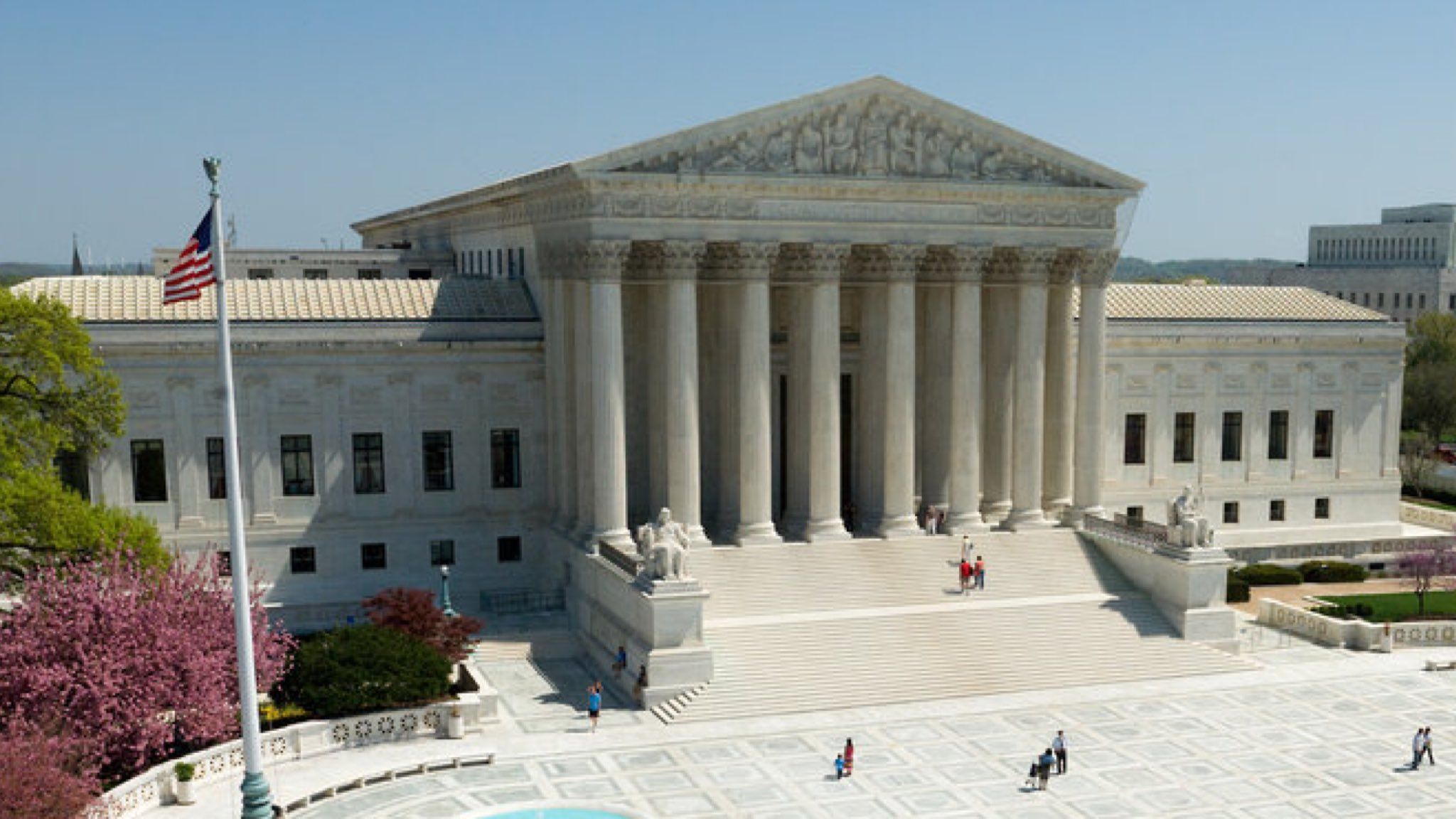
The U.S. Supreme Court ruled on June 30, 2026, that the 14th Amendment’s Citizenship Clause guarantees citizenship to children born in the United States to parents who are unlawfully present or temporarily visiting the country. In a 6-3 decision in Trump v. Barbara, the Court rejected President Donald Trump’s executive order seeking to limit birthright citizenship, declaring it facially unconstitutional.
Chief Justice John Roberts authored the majority opinion, joined by Justices Sonia Sotomayor, Elena Kagan, Amy Coney Barrett, and Ketanji Brown Jackson. Justice Brett Kavanaugh concurred in the judgment but dissented in part. The three conservative dissenters—Justices Clarence Thomas, Neil Gorsuch, and Samuel Alito—argued the ruling misread the amendment’s original meaning and created problematic incentives for illegal immigration.
The decision split along familiar ideological lines but featured some nuance. The majority affirmed a broad interpretation of “subject to the jurisdiction thereof” in the Citizenship Clause, extending citizenship to nearly all persons born on U.S. soil regardless of parents’ immigration status. Roberts’ opinion emphasized the amendment’s text and history as establishing a near-universal rule post-Civil War. Kavanaugh agreed with the outcome on the specific facts but parted ways on certain reasoning.
The dissenters, in separate opinions, contended the clause requires full allegiance to the United States at birth, excluding children of illegal immigrants or temporary visitors. Thomas authored the primary dissent (joined by Gorsuch), spanning over 90 pages. Alito and Gorsuch filed additional dissents.
Justice Clarence Thomas, joined by Gorsuch, wrote a lengthy dissent criticizing the majority for repurposing the 14th Amendment beyond its original purpose of securing equal rights for freed slaves. Thomas argued the clause applied to those who were “Americans” with no foreign allegiance or homeland. He stated the decision “devalues that citizenship” and predicted it “will not stand the test of time.” Thomas emphasized historical context: freed slaves and their children owed sole allegiance to the U.S., unlike children of temporary visitors or illegal entrants who retained ties to foreign powers.
Justice Samuel Alito dissented sharply, calling the ruling “one of the most important decisions in the history of the Court” and “a serious mistake.” He argued the majority’s interpretation confers citizenship on virtually everyone born in the country, including children of “birth tourists” who come solely to give birth before returning home. Alito noted this creates “a powerful incentive to enter or remain in this country illegally” and leaves the U.S. (alongside Canada) as one of the few affluent nations granting citizenship by birth alone. He contended the amendment requires sole allegiance to the United States at birth.
Justice Neil Gorsuch joined Thomas’s dissent and filed his own, aligning with arguments that the ruling expands citizenship beyond the clause’s original understanding tied to jurisdiction and allegiance.
President Trump, who issued the executive order early in his second term to interpret the 14th Amendment as excluding children of illegal immigrants and temporary visitors, suffered a significant defeat. The ruling blocks implementation of the policy nationwide. Trump allies viewed the outcome as judicial overreach that undermines immigration enforcement and national sovereignty.
Conservative commentators and legal scholars aligned with the dissenters praised Thomas, Alito, and Gorsuch for defending the amendment’s historical limits and warning against incentives for unlawful entry. They argued the decision perpetuates a system that devalues citizenship by granting it without requiring parental allegiance or domicile.
Liberal and progressive figures celebrated the ruling as upholding a core constitutional principle established after the Civil War to ensure equal citizenship for those born on U.S. soil. They framed it as rejecting attempts to rewrite longstanding precedent through executive action.
The decision carries broad implications for immigration policy, potentially affecting hundreds of thousands of births annually and reinforcing existing practices around birthright citizenship. It limits presidential authority to reinterpret the 14th Amendment without constitutional amendment and highlights ongoing divisions over originalism versus evolving interpretations of citizenship.
As the Court concluded its term, the ruling stands as a major affirmation of expansive birthright citizenship while leaving room for future challenges or legislative responses. The dissents from Thomas, Alito, and Gorsuch provide a roadmap for arguments that citizenship requires more than mere physical presence at birth.
Join the Team
Are you trying to break into news writing but struggling to get published at major outlets? At RWT News, we're always looking for talented, motivated writers who share our commitment to straightforward, factual conservative journalism. If you believe in honest reporting and want real experience and bylines, we'd love to hear from you.
Visit our Join the Team page to learn more and contact us directly.