Supreme Court to Hear Trump's Challenge to Birthright Citizenship
Trump's executive order, issued on his first day back in office, directs federal agencies to interpret "subject to the jurisdiction thereof" in the 14th Amendment as excluding children born to undocumented parents or those on temporary visas.
 Tommy Flynn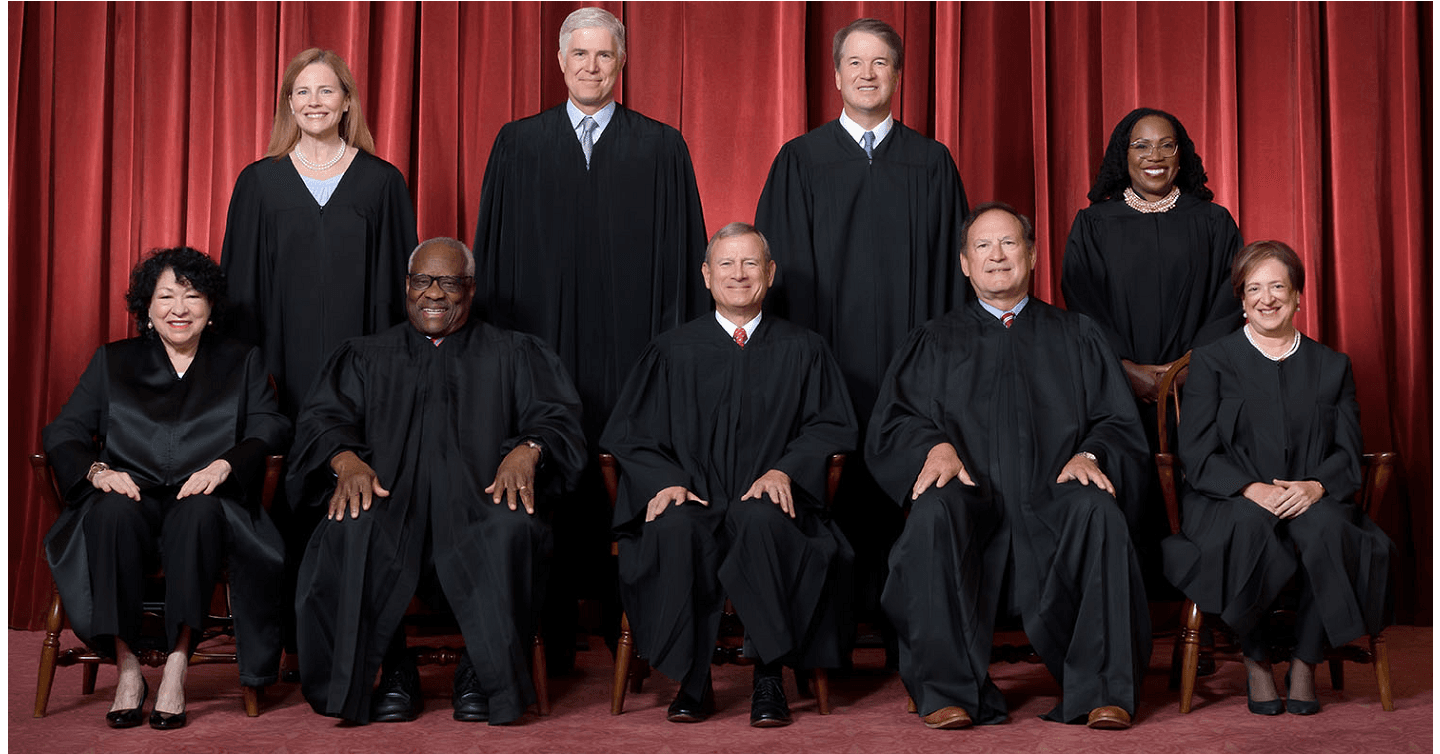
The U.S. Supreme Court announced on December 6, 2025, that it will hear oral arguments in the consolidated case of Trump v. CASA Inc. and related challenges to President Donald Trump's January 20, 2025, executive order seeking to end birthright citizenship for children of undocumented immigrants. The decision to grant certiorari came in a brief order listing the case for the February 2026 session, marking the first time the high court will directly address the scope of the 14th Amendment's Citizenship Clause since United States v. Wong Kim Ark in 1898.
Trump's executive order, issued on his first day back in office, directs federal agencies to interpret "subject to the jurisdiction thereof" in the 14th Amendment as excluding children born to undocumented parents or those on temporary visas. The directive withholds citizenship recognition for such births effective April 1, 2025, and instructs the State Department to deny passports accordingly. Lower courts blocked implementation nationwide in February 2025, with U.S. District Judge John Bates in D.C. ruling the order unconstitutional as it conflicts with the amendment's plain text. The Ninth and Fourth Circuits upheld the injunctions on appeal, prompting Trump's emergency application in October.
The legal argument for eliminating birthright citizenship centers on the jurisdiction clause's historical meaning, as articulated in the order and supported by amicus briefs from 28 Republican attorneys general. Proponents contend that "jurisdiction" requires full political allegiance, excluding children of diplomats, invading armies, or undocumented immigrants who owe allegiance to foreign powers. Historical records from the 1866 debates, including statements by Sen. Jacob Howard (the clause's drafter), affirm this intent: "This will not, of course, include persons born in the United States who are foreigners, aliens, who belong to the families of ambassadors or foreign ministers." The Wong Kim Ark ruling, they argue, applied only to lawful permanent residents, not undocumented individuals, a distinction reinforced by Plyler v. Doe (1982), which noted the clause's limits.
Opponents, including the ACLU and 22 Democratic states, maintain the clause grants citizenship to all born on U.S. soil except children of foreign diplomats, per Wong Kim Ark's holding that the 14th Amendment overrides the 1866 Act's narrower language. They cite ratification debates where senators like Lyman Trumbull clarified "not owing allegiance to anybody else" excludes only those under foreign sovereignty, not immigrants.
The case consolidates petitions from Texas, Louisiana, and Florida, where state attorneys general defended the order against challenges by immigrant rights groups. Oral arguments are scheduled for February 25, 2026, with a decision expected by late June. A ruling upholding Trump could affect 300,000-400,000 annual births to undocumented parents, per Pew Research Center estimates, requiring congressional legislation for full implementation. Reversal would affirm the status quo, limiting executive authority on citizenship. The decision, anticipated to split 6-3 along ideological lines, could redefine immigration policy ahead of 2026 midterms.
Join the Team
Are you trying to break into news writing but struggling to get published at major outlets? At RWT News, we're always looking for talented, motivated writers who share our commitment to straightforward, factual conservative journalism. If you believe in honest reporting and want real experience and bylines, we'd love to hear from you.
Visit our Join the Team page to learn more and contact us directly.