Supreme Court to Hear Arguments on Trump Birthright Citizenship Executive Order as Fordham Professor’s New Paper Supports Administration’s View
The paper draws on the historical context of the 14th Amendment, enacted to overturn Dred Scott and secure citizenship for formerly enslaved people and their descendants.
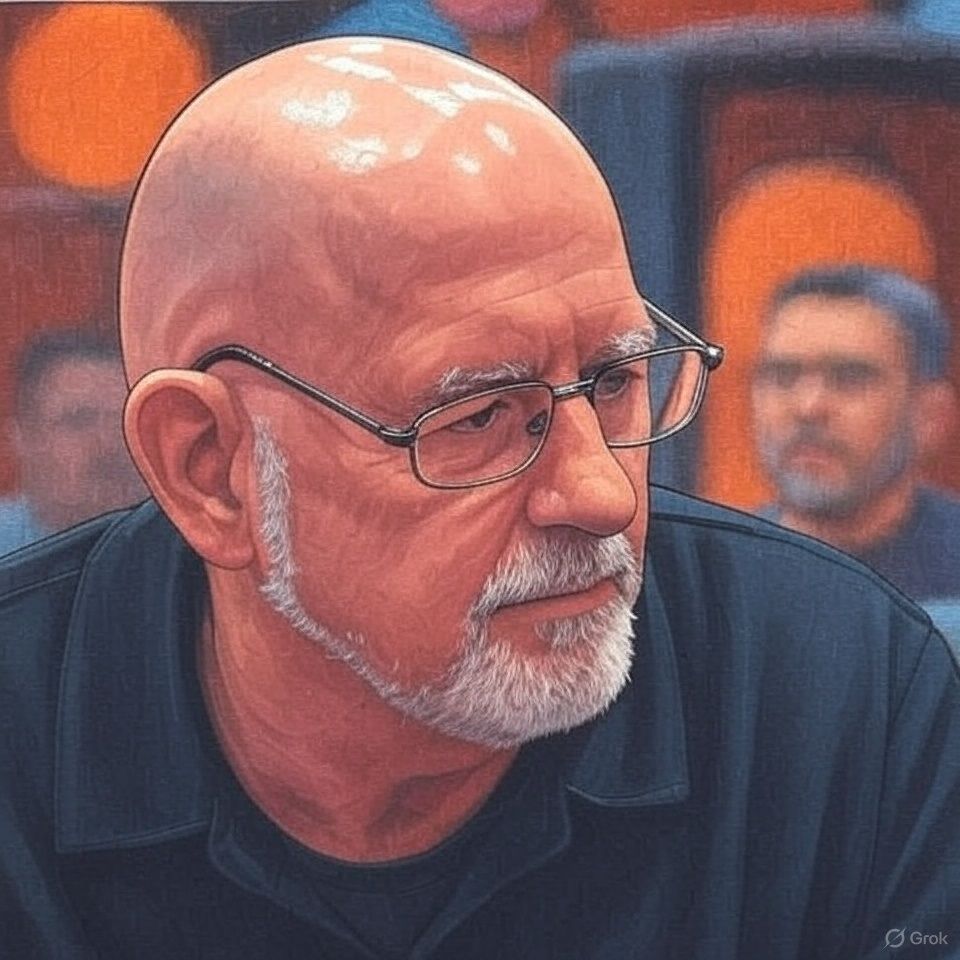 Tommy Flynn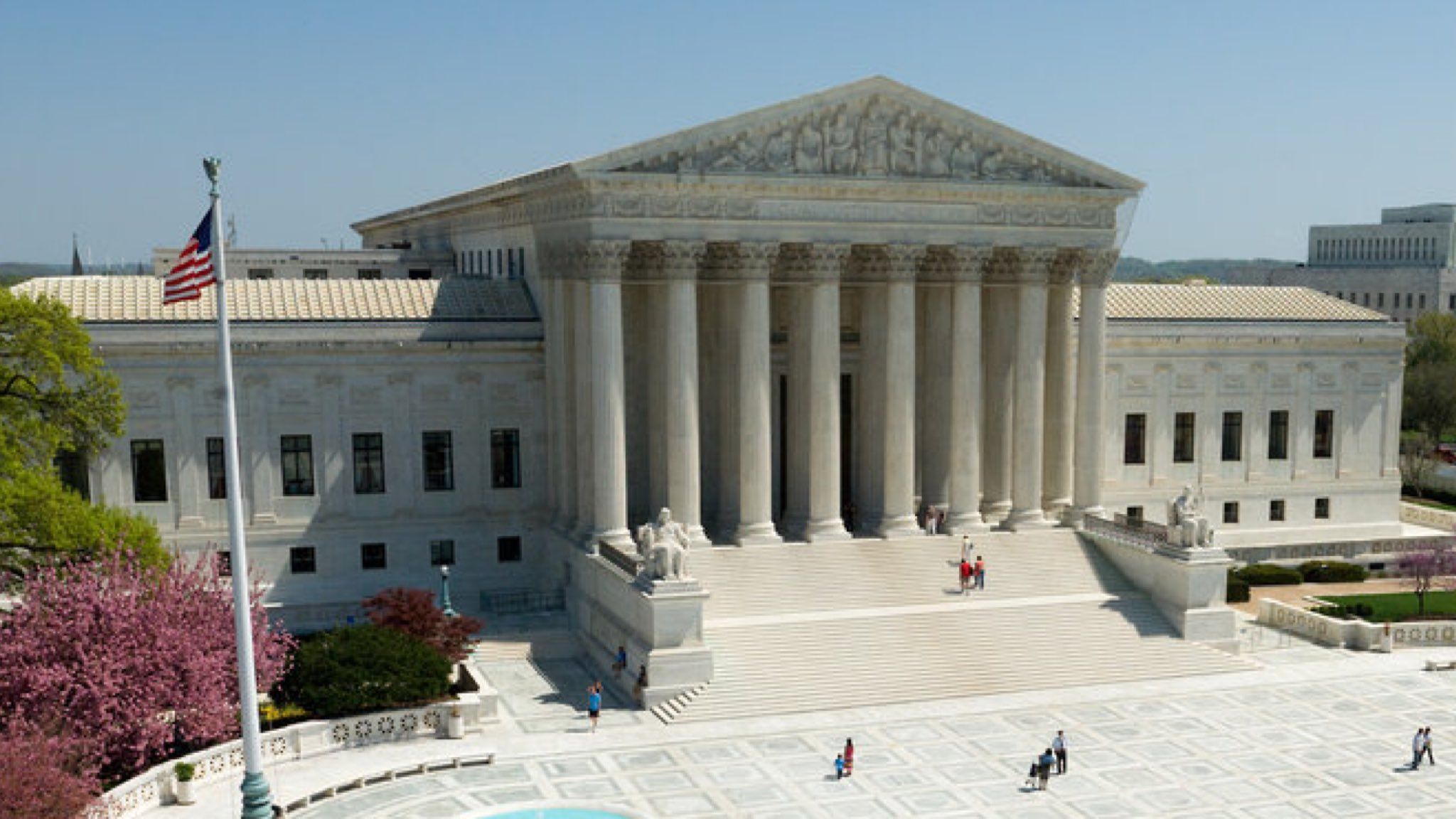
WASHINGTON – The U.S. Supreme Court will hear oral arguments April 1, 2026, in Trump v. Barbara, the high-profile case testing the constitutionality of President Donald Trump’s January 20, 2025, executive order that limits automatic birthright citizenship for children born in the United States to undocumented immigrants or parents on temporary visas.
The executive order directs federal agencies not to issue citizenship documents to children born after February 19, 2025, unless at least one parent is a U.S. citizen or lawful permanent resident. It seeks to end the longstanding practice of granting citizenship to children of illegal aliens and short-term visitors, arguing that the 14th Amendment’s Citizenship Clause was never intended to extend that far.
Lower courts have uniformly blocked the order, but the Trump administration maintains it restores the original meaning of the clause — “All persons born or naturalized in the United States, and subject to the jurisdiction thereof, are citizens of the United States and of the State wherein they reside.” The case is expected to produce a decision by late June or early July 2026.
A new scholarly paper by Fordham Law School professor Thomas H. Lee provides significant academic support for the administration’s position. In “The Citizenship Clause’s Residence Requirement,” released March 25, 2026, as part of Fordham’s Working Paper Series, Lee argues that the original public meaning of the 14th Amendment requires alien parents to be residing in the United States — meaning they must have established domicile or permanent presence — for their U.S.-born child to receive automatic citizenship.
Lee’s analysis concludes that children of temporary sojourners (such as tourists, students on short-term visas, or other non-resident aliens) do not qualify under the clause’s historical understanding. This middle-ground interpretation aligns closely with the core of Trump’s executive order, which excludes children of illegal aliens and temporary visa holders while preserving citizenship for children of lawful permanent residents and citizens.
The paper draws on the historical context of the 14th Amendment, enacted to overturn Dred Scott and secure citizenship for formerly enslaved people and their descendants. Lee notes that early post-ratification Supreme Court decisions, including the Slaughter-House Cases (1873) and Elk v. Wilkins (1884), emphasized the clause’s limited purpose and the requirement of jurisdiction tied to residence and allegiance.
Legal observers say Lee’s scholarship is particularly notable because it comes from a respected constitutional scholar and offers a textual and historical basis for limiting birthright citizenship without fully overturning the principle established in United States v. Wong Kim Ark (1898), which granted citizenship to the child of legal Chinese immigrant parents who were domiciled in the U.S.
The Supreme Court granted certiorari in December 2025 after multiple lower-court injunctions halted implementation of the order. Oral arguments are expected to focus heavily on the original meaning of “subject to the jurisdiction thereof” and whether the president can direct agencies to interpret the clause consistent with that history.
The case has drawn intense interest from both sides. Supporters of the executive order, including many Republican lawmakers and immigration-restriction groups, argue it corrects decades of misapplication of the 14th Amendment and prevents “birth tourism” and chain migration. Opponents, including the ACLU and civil-rights organizations representing the plaintiffs, contend the order violates more than 125 years of settled precedent and would cast uncertainty over the citizenship status of millions of Americans.
Professor Lee’s paper is already being cited in amicus briefs and commentary as a key academic validation of the administration’s legal theory. While the Supreme Court is not bound by any single scholar’s view, Lee’s detailed historical and textual analysis provides a substantive counterweight to arguments that the clause demands citizenship for virtually everyone born on U.S. soil regardless of parental status.
A ruling in favor of the Trump administration would represent a major shift in U.S. immigration and citizenship law, potentially affecting hundreds of thousands of births annually and reshaping long-term demographic policy. The decision is widely viewed as one of the most consequential of the Court’s 2025–2026 term. You can download or read Professor Lee’s paper here: The Citizenship Clause's Residence Requirement
Join the Team
Are you trying to break into news writing but struggling to get published at major outlets? At RWT News, we're always looking for talented, motivated writers who share our commitment to straightforward, factual conservative journalism. If you believe in honest reporting and want real experience and bylines, we'd love to hear from you.
Visit our Join the Team page to learn more and contact us directly.