Supreme Court to Decide Fate of 1868 Federal Ban on Home Distilling
The Supreme Court has agreed to review whether a Reconstruction-era statute that makes it a federal crime to distill spirits in a private home exceeds Congress’s constitutional powers.
 Tommy Flynn
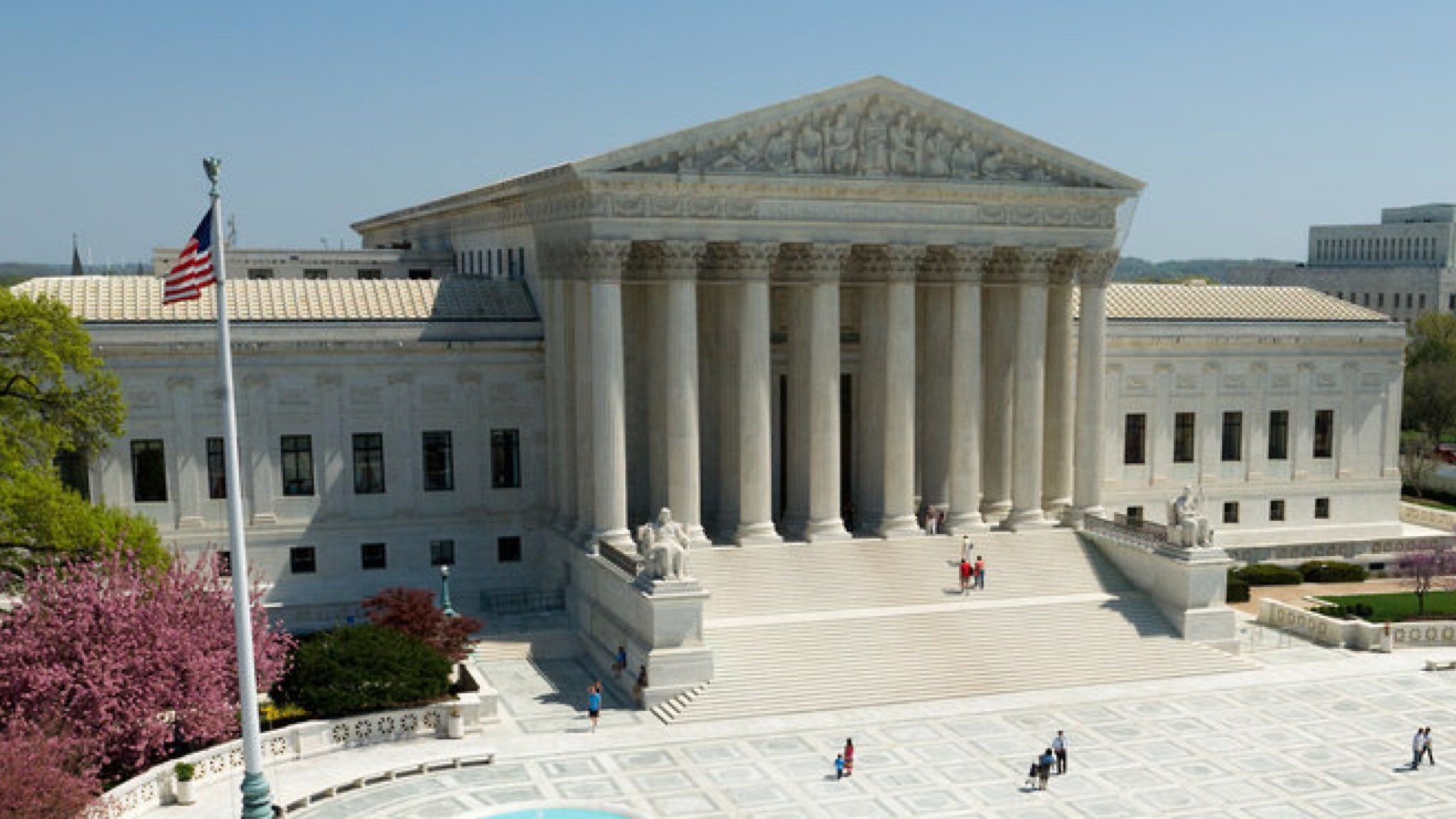
The justices will hear the Trump administration’s appeal of a Fifth Circuit decision that struck down the ban as outside the scope of Congress’s taxing authority and the Necessary and Proper Clause. A conflicting Sixth Circuit ruling had upheld the same statute, creating the split that prompted high-court review.
The law, enacted in 1868 as part of a broader reform of the distilled-spirits tax, prohibits the production of distilled spirits in any “dwelling house,” shed, yard, or connected enclosure. Violations carry criminal penalties of up to five years in prison, a $10,000 fine, and potential forfeiture of the home. Beer and wine production for personal use have long been legal for adults, with quantity limits.
The case accepted by the Court is Department of Justice v. McNutt, brought by members of the Texas-based Hobby Distillers Association. A federal district judge in Fort Worth and later the Fifth Circuit ruled for the challengers. Separately, Ohio brewpub owner John Ream, represented by the Buckeye Institute, challenged the ban in the Sixth Circuit and lost; that case is expected to be affected by the eventual Supreme Court decision.
Plaintiffs argue the statute is an antiquated relic that criminalizes conduct having only a tenuous connection to tax collection. Their attorneys have noted that even George Washington distilled spirits at home. The government maintains the location restriction is a necessary tool to prevent tax evasion, a purpose that dates to the early republic’s revenue needs and was reinforced after the Civil War.
Oral arguments are expected next year, with a decision likely by the end of the Court’s term in June or July 2027. Until then the 1868 prohibition remains in force nationwide except for the narrow injunction protecting the named plaintiffs in the Fifth Circuit litigation.
The dispute turns on whether Congress may use its power to tax—and the Necessary and Proper Clause—to ban an entire category of private activity inside the home, or whether such a prohibition oversteps the enumerated powers of the federal government.
Support Independent Conservative News
RWTNews is independent conservative news — no corporate backing, no agenda driven by advertisers. We rely entirely on readers like you to keep the lights on and the truth coming. If you've found value in what you read here, consider supporting us with a one-time or monthly contribution. Every dollar goes directly toward keeping this site running and growing.
Secured by Stripe. Your payment info is never stored on our servers.