Supreme Court Strikes Down Colorado’s Ban on Conversion Therapy for Minors
The ruling effectively invalidates Colorado’s Minor Conversion Therapy Law as applied to talk therapy. It also casts doubt on similar laws in roughly 20 other states that ban conversion therapy for minors.
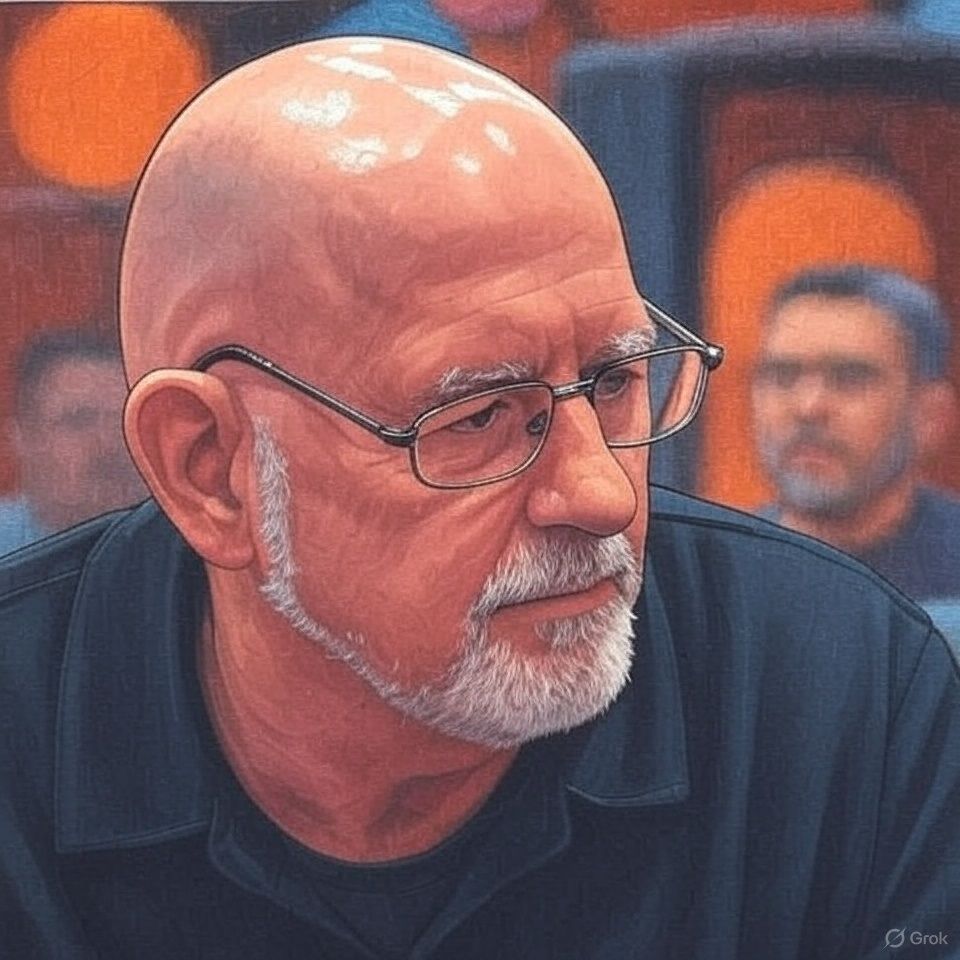 Tommy Flynn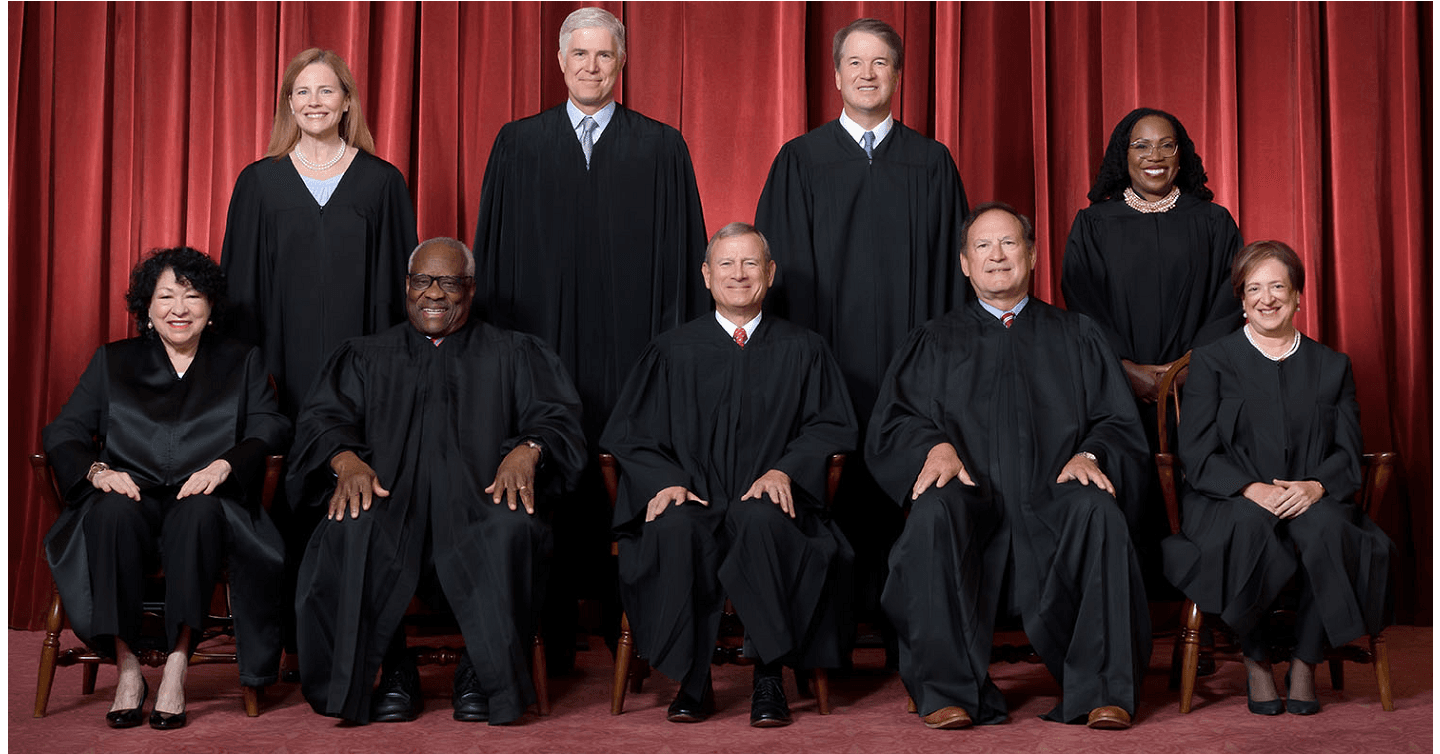
WASHINGTON – The U.S. Supreme Court on Tuesday ruled 8-1 that Colorado’s law banning mental health professionals from offering conversion therapy to minors violates the First Amendment.
In Chiles v. Salazar, the Court held that the 2019 statute — which prohibits licensed counselors and therapists from engaging in any talk therapy intended to change a minor’s sexual orientation or gender identity — constitutes unconstitutional viewpoint discrimination. Justice Neil Gorsuch wrote the majority opinion. Justice Ketanji Brown Jackson was the lone dissenter.
The case was brought by Kaley Chiles, a licensed professional counselor in Colorado Springs who is a practicing Christian. Chiles argued that the law prevented her from offering clients the type of exploratory talk therapy she believes is appropriate for some minors struggling with same-sex attraction or gender dysphoria. Colorado defended the statute as a regulation of harmful professional conduct, citing studies linking conversion therapy to increased risks of depression, anxiety and suicide.
The Court rejected Colorado’s position, concluding that the ban targets specific viewpoints and messages expressed during counseling sessions. Because the law allows therapists to affirm a minor’s LGBTQ identity but prohibits counseling aimed at changing it, the statute discriminates based on the content and viewpoint of the speech. The majority reversed the Tenth Circuit’s decision upholding the ban and remanded the case for the lower court to apply strict scrutiny — the highest level of constitutional review.
The ruling effectively invalidates Colorado’s Minor Conversion Therapy Law as applied to talk therapy. It also casts doubt on similar laws in roughly 20 other states that ban conversion therapy for minors.
The decision marks a significant First Amendment victory for counselors who object on religious or philosophical grounds to state-mandated affirmation-only approaches. Supporters of the ruling argue it protects the free-speech rights of professionals and parents to pursue the therapy they believe is in a child’s best interest. Opponents contend the decision leaves vulnerable LGBTQ youth exposed to discredited and potentially harmful practices.
The case originated in 2022 when Chiles filed a pre-enforcement challenge. Lower courts had upheld the law, treating it as a regulation of professional conduct rather than protected speech. The Supreme Court granted certiorari in March 2025 and heard oral arguments in October 2025.
No immediate statement was available from Colorado officials. The ruling does not affect religious ministry exemptions already contained in the state law or bans on more invasive physical conversion practices.
Support Independent Conservative News
RWTNews is independent conservative news — no corporate backing, no agenda driven by advertisers. We rely entirely on readers like you to keep the lights on and the truth coming. If you've found value in what you read here, consider supporting us with a one-time or monthly contribution. Every dollar goes directly toward keeping this site running and growing.
Secured by Stripe. Your payment info is never stored on our servers.