Supreme Court Set to Issue Major Rulings Today, Highlighting Birthright Citizenship Challenge
As the term concludes, these rulings will shape key aspects of immigration policy, education and athletics, and campaign finance heading into the midterm elections.
 Tommy Flynn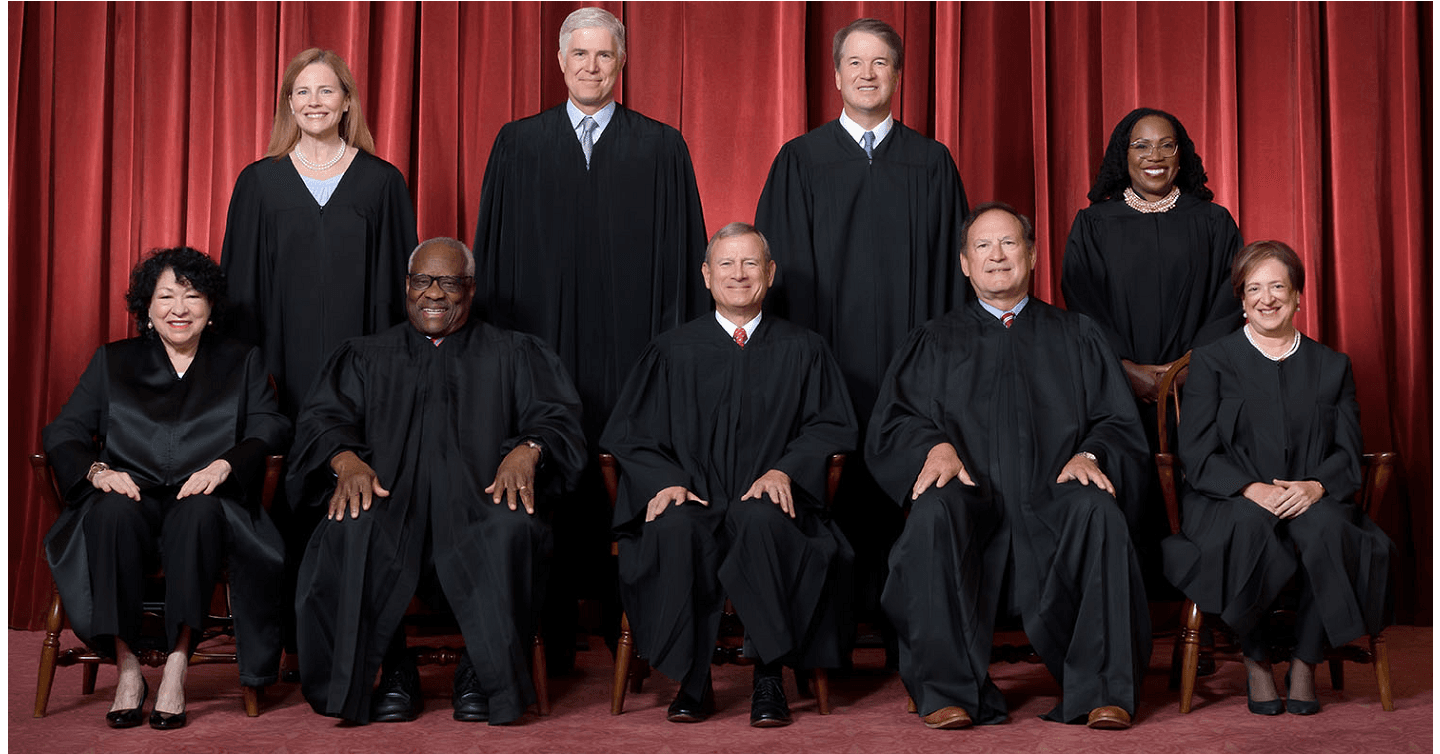
The U.S. Supreme Court is scheduled to release its final opinions of the term on Tuesday, June 30, 2026, including a highly anticipated decision on President Donald Trump’s executive order restricting birthright citizenship for children of illegal immigrants and certain non-permanent residents. The ruling comes as part of the Court’s final day for releasing decisions from the term that began in October 2025, with four cases remaining unresolved.
Trump’s executive order, signed on his first day back in office in 2025, directs federal agencies to interpret the 14th Amendment’s Citizenship Clause as not automatically granting citizenship to individuals born in the United States if neither parent is a U.S. citizen or lawful permanent resident. The order targets what the administration describes as “birth tourism” and the exploitation of citizenship rules by individuals from potentially hostile nations. Lower courts blocked the policy nationwide shortly after its issuance, prompting the administration’s appeal.
The case, often referred to in coverage as Trump v. Barbara or similar, centers on the 14th Amendment’s language: “All persons born or naturalized in the United States, and subject to the jurisdiction thereof, are citizens of the United States and of the state wherein they reside.” The Trump administration argues that “subject to the jurisdiction thereof” requires lawful domicile and primary allegiance to the United States, excluding children of illegal immigrants and temporary visitors. U.S. Solicitor General D. John Sauer contended during April 2026 oral arguments that the amendment primarily aimed to grant citizenship to freed slaves and their children with generational ties to the country.
Opponents, including challengers in the case, rely heavily on the 1898 precedent United States v. Wong Kim Ark, which affirmed citizenship for the child of Chinese immigrants who were legal residents at the time of the birth. The administration distinguishes that case by noting the parents’ lawful permanent domicile, arguing it does not extend to illegal entrants or temporary visa holders. During arguments, Justice Neil Gorsuch expressed skepticism about heavy reliance on the Wong Kim Ark precedent. Trump attended part of the arguments, marking a historic moment for a sitting president.
The decision carries significant implications. Estimates suggest the order could affect up to 250,000 births annually and require documentation for millions of families. A ruling upholding the order would advance Trump’s broader immigration enforcement agenda, which has included ending humanitarian protections for certain groups and expanding deportation measures. The Court has generally sided with the administration on immigration matters this term, including clearing paths for removals and border policies, though it has ruled against Trump in other areas such as certain tariffs and Federal Reserve personnel matters.
Beyond birthright citizenship, the Court is also expected to rule on two cases involving state bans on transgender participation in women’s and girls’ sports: West Virginia v. B.P.J. and Little v. Hecox. These challenges test laws in states like West Virginia and Idaho that bar biological males from female athletic categories. Lower courts had issued stays against the bans, and the rulings could clarify the scope of Title IX protections or equal protection standards, potentially affecting policies in dozens of states.
A fourth case, NRSC v. FEC, challenges federal limits on coordinated campaign spending between parties and candidates under the First Amendment. A decision favoring the National Republican Senatorial Committee could enhance coordination capabilities for Republican campaigns in the current cycle.
The birthright citizenship case represents the first direct Supreme Court review of Trump’s effort to reinterpret the 14th Amendment’s application. Proponents view it as restoring the original understanding post-Civil War, limiting automatic citizenship to those with lawful ties rather than extending it to children of individuals present unlawfully. Critics argue it conflicts with longstanding precedent and constitutional text. The Court’s conservative majority has shown willingness to revisit historical interpretations in areas like executive authority and administrative independence.
As the term concludes, these rulings will shape key aspects of immigration policy, education and athletics, and campaign finance heading into the midterm elections. The birthright citizenship decision, in particular, stands to influence enforcement priorities and legal challenges nationwide. Outcomes will depend on the Court’s reasoning, with possibilities ranging from a narrow statutory ruling to a broader constitutional pronouncement that could require congressional action for full implementation.
The decisions are expected around 10 a.m. ET and will be posted on the Court’s website. This final release caps a term marked by significant engagement with executive power, individual rights, and regulatory frameworks.
Join the Team
Are you trying to break into news writing but struggling to get published at major outlets? At RWT News, we're always looking for talented, motivated writers who share our commitment to straightforward, factual conservative journalism. If you believe in honest reporting and want real experience and bylines, we'd love to hear from you.
Visit our Join the Team page to learn more and contact us directly.