Supreme Court Justices Across Ideological Lines Express Skepticism Toward Trump Birthright Citizenship Order
Chief Justice John Roberts set an early tone of doubt, describing key aspects of Solicitor General D. John Sauer’s argument as “very quirky” and “idiosyncratic.”
 Tommy Flynn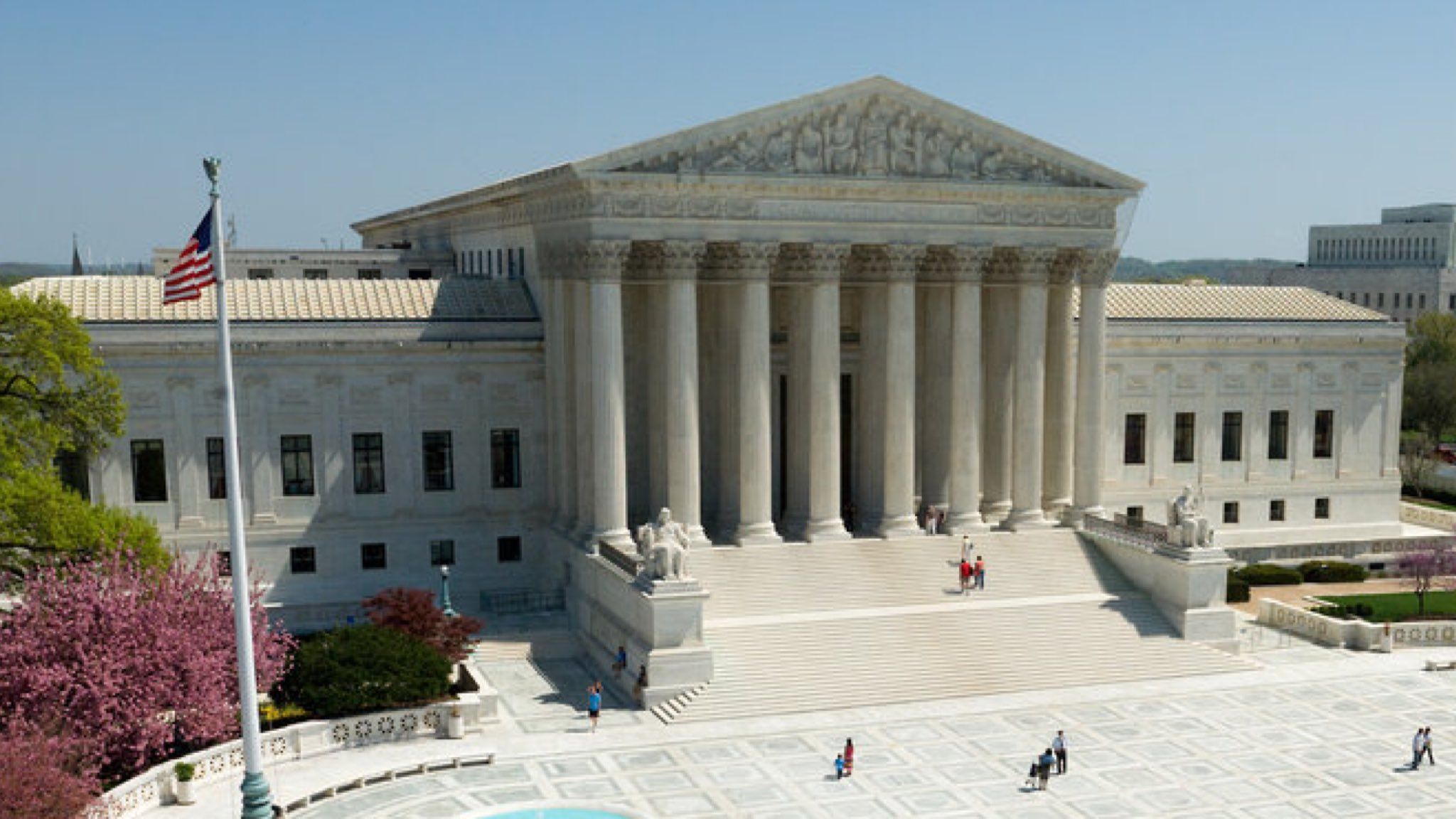
WASHINGTON – During more than two hours of oral arguments on April 1, 2026, in Trump v. Barbara, a majority of Supreme Court justices — including several conservative members — appeared skeptical of the Trump administration’s effort to limit automatic birthright citizenship through executive order.
Chief Justice John Roberts set an early tone of doubt, describing key aspects of Solicitor General D. John Sauer’s argument as “very quirky” and “idiosyncratic.” Roberts questioned how narrow historical exceptions (such as children of diplomats or those born on foreign warships) could justify a sweeping reinterpretation that would exclude hundreds of thousands of children born on U.S. soil to undocumented or temporary-visa parents. When Sauer suggested the country was in “a new world,” Roberts replied pointedly: “It’s the same Constitution.”
Conservative Justices Amy Coney Barrett and Neil Gorsuch also pressed Sauer with probing questions. Barrett focused on the legal theory behind the order, while Gorsuch described the post-Wong Kim Ark landscape as “a mess” and sought clarification on how the administration’s position aligned with long-accepted precedent.
Liberal justices were equally critical. Justice Elena Kagan called the administration’s reading a “revisionist theory” unsupported by the 14th Amendment’s text and history, while Justice Sonia Sotomayor raised concerns about the order’s prospective-only application and the potential for future presidents to reinterpret constitutional provisions unilaterally.
Justice Clarence Thomas appeared the most receptive to the government’s position, referencing the original purpose of the 14th Amendment in securing citizenship for formerly enslaved people and their descendants.
The case centers on President Donald Trump’s January 20, 2025, executive order directing federal agencies to deny citizenship documents to children born in the U.S. after February 19, 2025, unless at least one parent is a U.S. citizen or lawful permanent resident. The administration argues the 14th Amendment’s “subject to the jurisdiction thereof” language was never intended to grant automatic citizenship to children of illegal aliens or temporary visitors.
ACLU legal director Cecillia Wang, arguing for the challengers, defended the longstanding interpretation established in United States v. Wong Kim Ark (1898). Justices from both sides questioned her as well, though the weight of skepticism appeared directed at the government’s broader claims.
President Trump attended the arguments in person — the first sitting president to do so in modern history — sitting in the front row alongside Attorney General Pam Bondi.
The tone throughout the session was rigorous and focused on original meaning, historical context, and practical consequences rather than partisan rhetoric. No justice signaled clear support for the administration’s full position, and several expressed concern that accepting it would require overturning more than a century of settled understanding.
A final ruling is expected by late June or early July 2026. The outcome could reshape citizenship policy for generations and affect the status of millions of U.S.-born children.
Support Independent Conservative News
RWTNews is independent conservative news — no corporate backing, no agenda driven by advertisers. We rely entirely on readers like you to keep the lights on and the truth coming. If you've found value in what you read here, consider supporting us with a one-time or monthly contribution. Every dollar goes directly toward keeping this site running and growing.
Secured by Stripe. Your payment info is never stored on our servers.