Supreme Court Conservatives Voice Skepticism of Late Mail Ballot Grace Periods
Justice Samuel Alito questioned the potential for late ballots to “radically flip” election results, asking about scenarios where “a big stash of ballots” arrives days later and changes the outcome.
 Tommy Flynn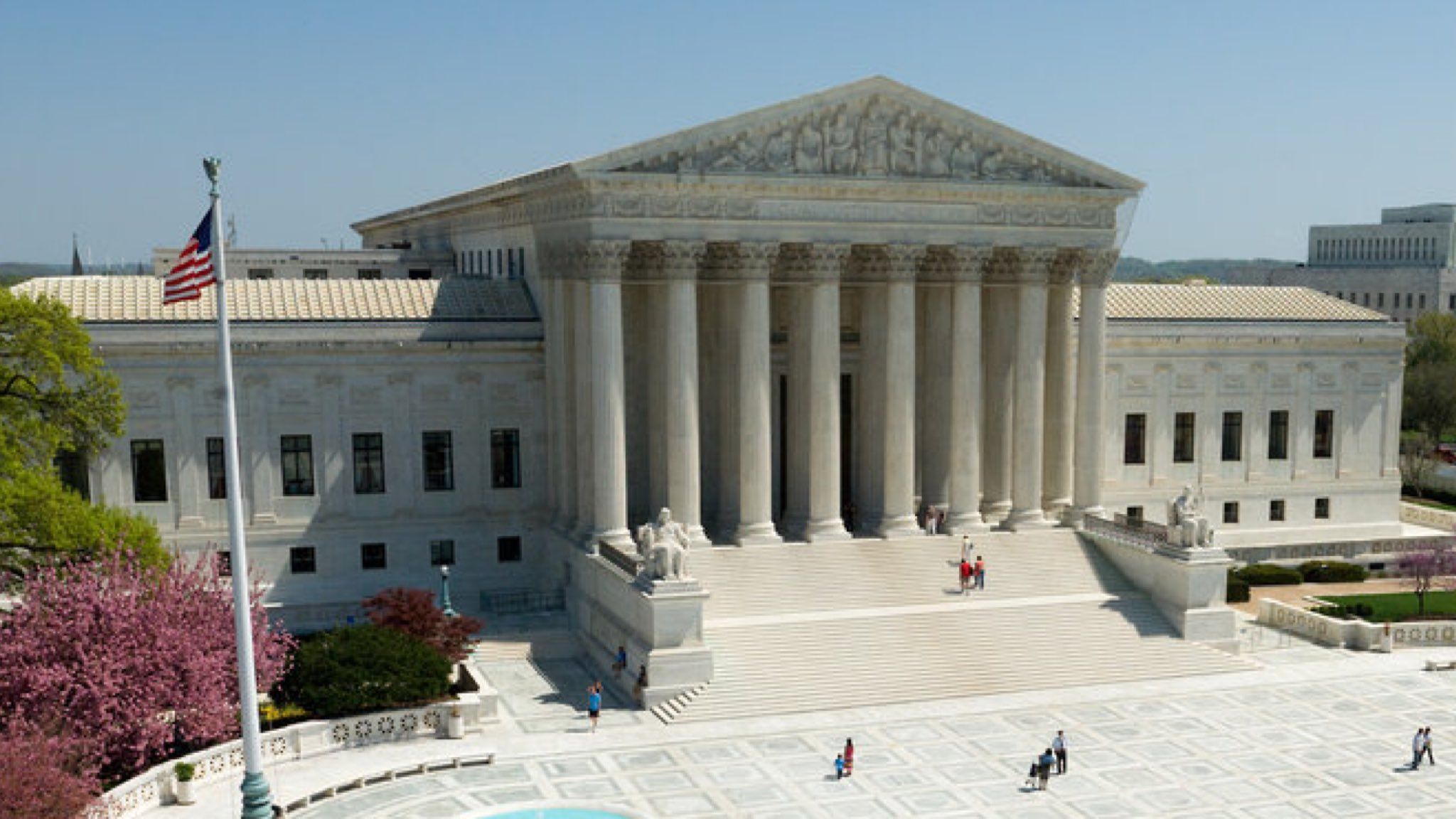
The Supreme Court’s conservative majority expressed significant skepticism toward state laws allowing mail ballots received after Election Day during oral arguments on March 23, 2026, in a Mississippi case that could affect voting rules in multiple states ahead of the 2026 midterms.
The dispute centers on Mississippi’s law permitting ballots postmarked by Election Day to be counted if received within five business days afterward. The Trump administration, Republican National Committee, and Libertarian Party challenged the practice, arguing federal law requires ballots to be both cast and received by Election Day.
Justice Samuel Alito questioned the potential for late ballots to “radically flip” election results, asking about scenarios where “a big stash of ballots” arrives days later and changes the outcome. Justice Brett Kavanaugh echoed concerns about the appearance of fraud when results shift after polls close.
Justice Clarence Thomas pressed attorneys on when a ballot is considered final, while Justices Amy Coney Barrett and Neil Gorsuch raised practical questions about the limits of grace periods, including hypotheticals involving hand-delivery or extended deadlines.
Mississippi Solicitor General Scott Stewart defended the law, noting no documented fraud from late-arriving ballots and emphasizing state flexibility. Paul Clement, arguing for the challengers, stressed the need for uniform Election Day deadlines to prevent post-election voting.
Liberal justices pushed back. Justice Sonia Sotomayor said the issue “should be decided by Congress and the states,” not the courts.
A ruling is expected by late June and could impact grace periods in 13 other states and the District of Columbia. President Trump has long criticized mail-in voting practices as vulnerable to fraud.
The case highlights ongoing national debates over election security and ballot deadlines.
Join the Team
Are you trying to break into news writing but struggling to get published at major outlets? At RWT News, we're always looking for talented, motivated writers who share our commitment to straightforward, factual conservative journalism. If you believe in honest reporting and want real experience and bylines, we'd love to hear from you.
Visit our Join the Team page to learn more and contact us directly.