Supreme Court Clears Path for Trump Mail-Ballot Restrictions Ahead of Midterms
The Supreme Court on Monday lifted a lower-court block on Trump’s executive order restricting mail-in ballots in 23 states and D.C., letting the administration move forward on citizenship lists and USPS delivery rules ahead of the midterms.
 Tommy Flynn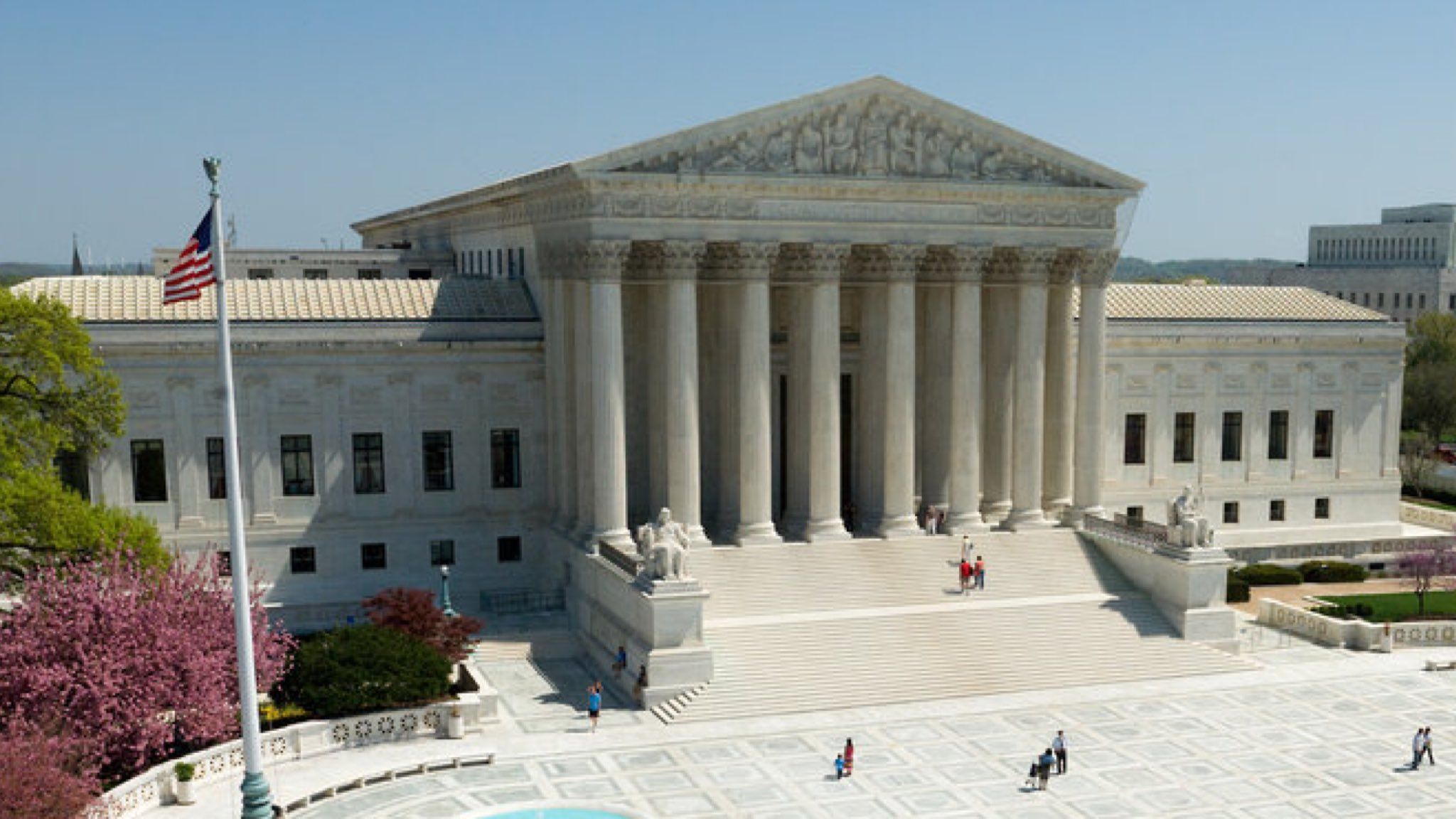
The Supreme Court on Monday lifted a key lower-court injunction that had blocked President Donald Trump’s executive order restricting mail-in ballots in 23 states and the District of Columbia, allowing the administration to proceed with implementation while the underlying legal fight continues.
In an emergency order, the justices granted the Justice Department’s request to stay a June ruling by U.S. District Judge Indira Talwani in Boston. Talwani had concluded that a coalition of Democratic-led states had standing to challenge the March 31 order and that several of its provisions exceeded presidential authority. The 1st Circuit Court of Appeals had earlier refused to pause her injunction. The three liberal justices dissented from Monday’s action.
Trump’s order directs the Department of Homeland Security to compile lists of U.S. citizens eligible to vote in federal elections and instructs the U.S. Postal Service to deliver mail and absentee ballots only to voters appearing on those approved lists. It also calls for unique barcodes on ballot envelopes and related verification measures. The Postal Service recently finalized a rule requiring states that use USPS for federal mail ballots to submit voter lists or face non-delivery of those ballots.
The administration has argued the measures enforce existing federal election laws, improve chain-of-custody for mail ballots, and prevent ballots from being sent to ineligible voters. Challenging states contend the Constitution assigns primary responsibility for running elections to the states and Congress, and that a president cannot unilaterally rewrite those procedures so close to an election.
Monday’s stay is not a ruling on the merits. The constitutional questions remain unresolved and could return to the Supreme Court. A separate Talwani order issued August 11 that blocked nationwide USPS implementation of part of the directive was not fully resolved by Monday’s action, according to reporting on the emergency filings. States retain the ability to seek further relief as November approaches.
The timing is tight. Some jurisdictions begin mailing ballots within weeks. The administration and USPS have already begun preparatory work, and officials have cited the approaching midterms—which will determine control of Congress—as the reason for seeking emergency relief. The Justice Department maintained that lower courts should not have frozen the entire program before agencies finished determining how it would operate.
The decision follows an earlier June 29 Supreme Court ruling, written by Justice Amy Coney Barrett and joined by Chief Justice John Roberts and the three liberals, that allowed states to count mail ballots postmarked by Election Day even if they arrive afterward. That 5-4 decision rejected a separate Republican challenge to grace periods. Trump called that outcome a “tremendous loss” and renewed his push for Congress to pass the SAVE America Act.
Together the two cases illustrate the limits and remaining openings in the administration’s effort to tighten mail voting before November. With the injunction now lifted in the states that sued, federal agencies can move forward on list compilation and delivery rules, subject to whatever additional court challenges emerge in the coming weeks. The midterms will test how much of the program can actually be put in place.
Join the Team
Are you trying to break into news writing but struggling to get published at major outlets? At RWT News, we're always looking for talented, motivated writers who share our commitment to straightforward, factual conservative journalism. If you believe in honest reporting and want real experience and bylines, we'd love to hear from you.
Visit our Join the Team page to learn more and contact us directly.