Supreme Court Clears Path for Trump Administration to Terminate TPS for Haiti and Syria
In its decision, the Court held that the TPS statute expressly restricts judicial review of non-constitutional challenges to termination decisions.
 Tommy Flynn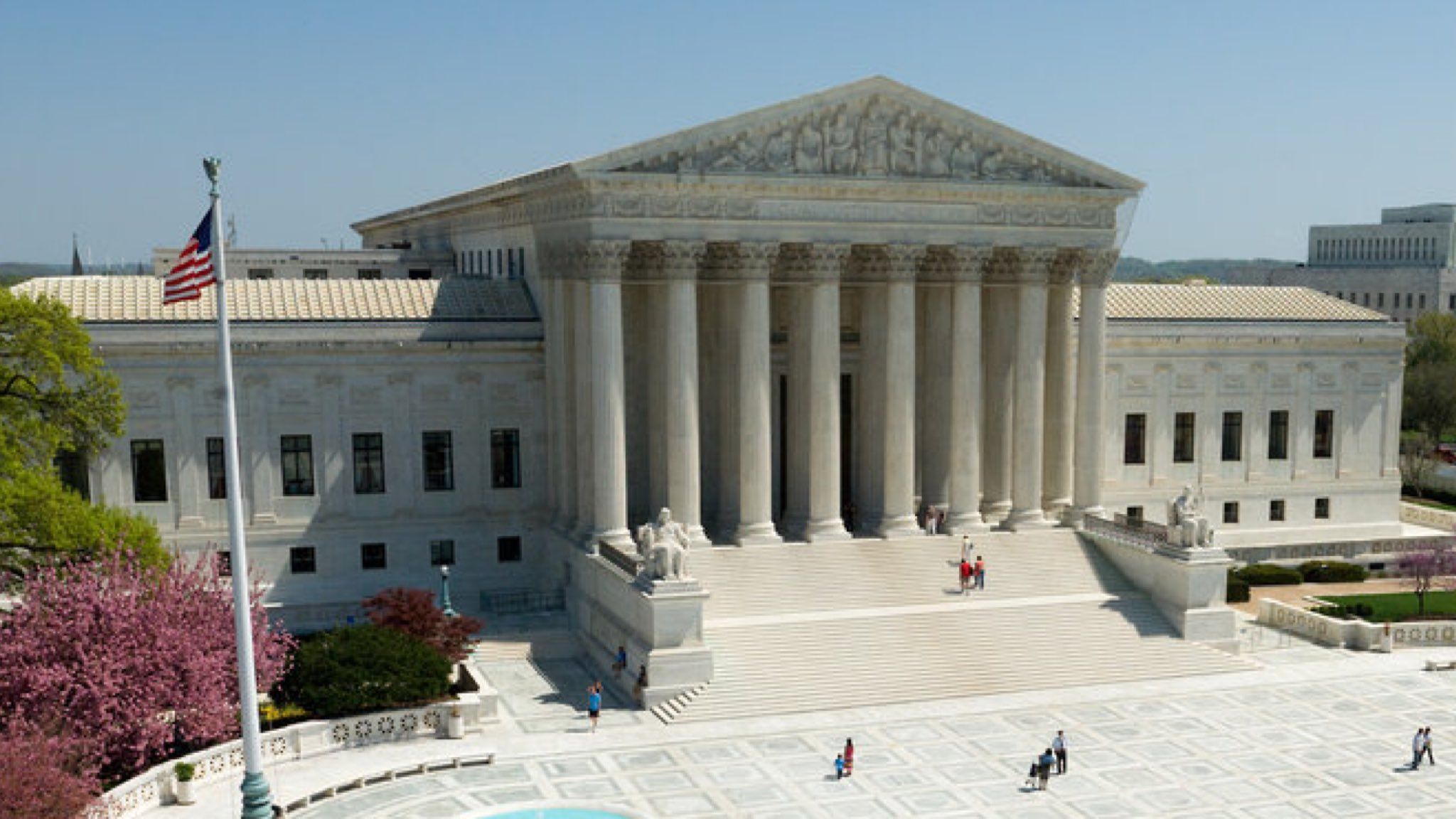
The U.S. Supreme Court on June 25, 2026, ruled 6-3 in Mullin v. Doe that the Trump administration may proceed with ending Temporary Protected Status designations for nationals of Haiti and Syria. Justice Samuel Alito wrote the majority opinion, holding that the TPS statute limits judicial review of non-constitutional claims and prevents courts from second-guessing agency termination decisions on those grounds. Justice Clarence Thomas filed a concurrence. Justice Elena Kagan dissented, joined by Justices Sonia Sotomayor and Ketanji Brown Jackson.
Temporary Protected Status, established under the Immigration and Nationality Act, permits nationals of designated countries to remain in the United States temporarily when conditions in their home countries—such as armed conflict or natural disasters—prevent safe return. The designation also authorizes employment. Congress designed TPS as a temporary measure, not a permanent immigration status. Designations require periodic review by the Department of Homeland Security secretary, who may terminate them when conditions no longer warrant continuation or when termination serves the national interest.
The Trump administration moved to terminate the Haiti and Syria TPS designations in 2025. Then-Secretary of Homeland Security Kristi Noem determined that extraordinary and temporary conditions no longer existed in either country to justify continued protection. For Haiti, the administration cited the absence of such conditions and stated that continued TPS was contrary to the national interest. For Syria, officials pointed to efforts toward stable governance following prior conflict and raised concerns about vetting and national security. Both countries had carried TPS designations for years, with repeated extensions under previous administrations.
Lower federal courts had blocked the terminations. District judges in New York and Washington, D.C., along with appeals courts, issued injunctions preventing the Department of Homeland Security from ending the designations while litigation proceeded. Challengers, including TPS holders and advocacy groups, argued that the terminations were arbitrary, failed to adequately assess country conditions, and violated procedural requirements. The cases reached the Supreme Court through consolidated petitions after the administration sought to lift the stays.
In its decision, the Court held that the TPS statute expressly restricts judicial review of non-constitutional challenges to termination decisions. The majority concluded that Congress intended to limit courts' role in these matters to constitutional claims only. The ruling allows the administration to implement the terminations without further judicial interference on statutory grounds. The decision applies directly to the Haiti and Syria designations but carries broader implications for the scope of judicial oversight in immigration administration.
The terminations affect hundreds of thousands of individuals. Haiti’s TPS program has protected over 300,000 people in recent years, while Syria’s designation covered several thousand. Affected individuals will lose legal status and work authorization upon termination, subject to standard removal proceedings. The administration has encouraged those eligible to pursue other lawful immigration pathways where available.
The ruling aligns with the Trump administration’s broader approach to immigration enforcement. The president has directed reviews of temporary protections and long-term statuses granted under prior policies, emphasizing that such measures should remain temporary and tied to verifiable conditions abroad. Supporters of the decision argue it restores executive discretion in immigration matters and prevents courts from effectively extending temporary programs indefinitely through litigation.
Dissenting justices expressed concern that the majority’s interpretation unduly restricts review of agency actions that could affect large numbers of long-term residents. The dissent focused on the potential for arbitrary terminations without adequate judicial checks.
The decision marks a significant development in the administration’s efforts to wind down TPS designations that have persisted for extended periods. The Department of Homeland Security has terminated or declined to extend multiple TPS programs since 2025, consistent with reviews finding improved or stabilized conditions in designated countries or determinations that continuation no longer serves U.S. interests. The Supreme Court’s holding limits the ability of challengers to block such actions through non-constitutional claims.
Affected TPS holders from Haiti and Syria retain options to seek other forms of relief, such as asylum where eligible or adjustment of status through family or employment-based petitions. The administration has stated it will implement terminations in an orderly manner while enforcing immigration laws. The ruling does not alter the underlying statutory framework for TPS but clarifies the boundaries of judicial involvement in termination decisions.
Support Independent Conservative News
RWTNews is independent conservative news — no corporate backing, no agenda driven by advertisers. We rely entirely on readers like you to keep the lights on and the truth coming. If you've found value in what you read here, consider supporting us with a one-time or monthly contribution. Every dollar goes directly toward keeping this site running and growing.
Secured by Stripe. Your payment info is never stored on our servers.