Supreme Court Bolsters Trump Administration’s Authority Over Green Card Holders Suspected of Crimes in 6-3 Ruling
Justice Ketanji Brown Jackson dissented, joined by Justices Sonia Sotomayor and Elena Kagan.
 Tommy Flynn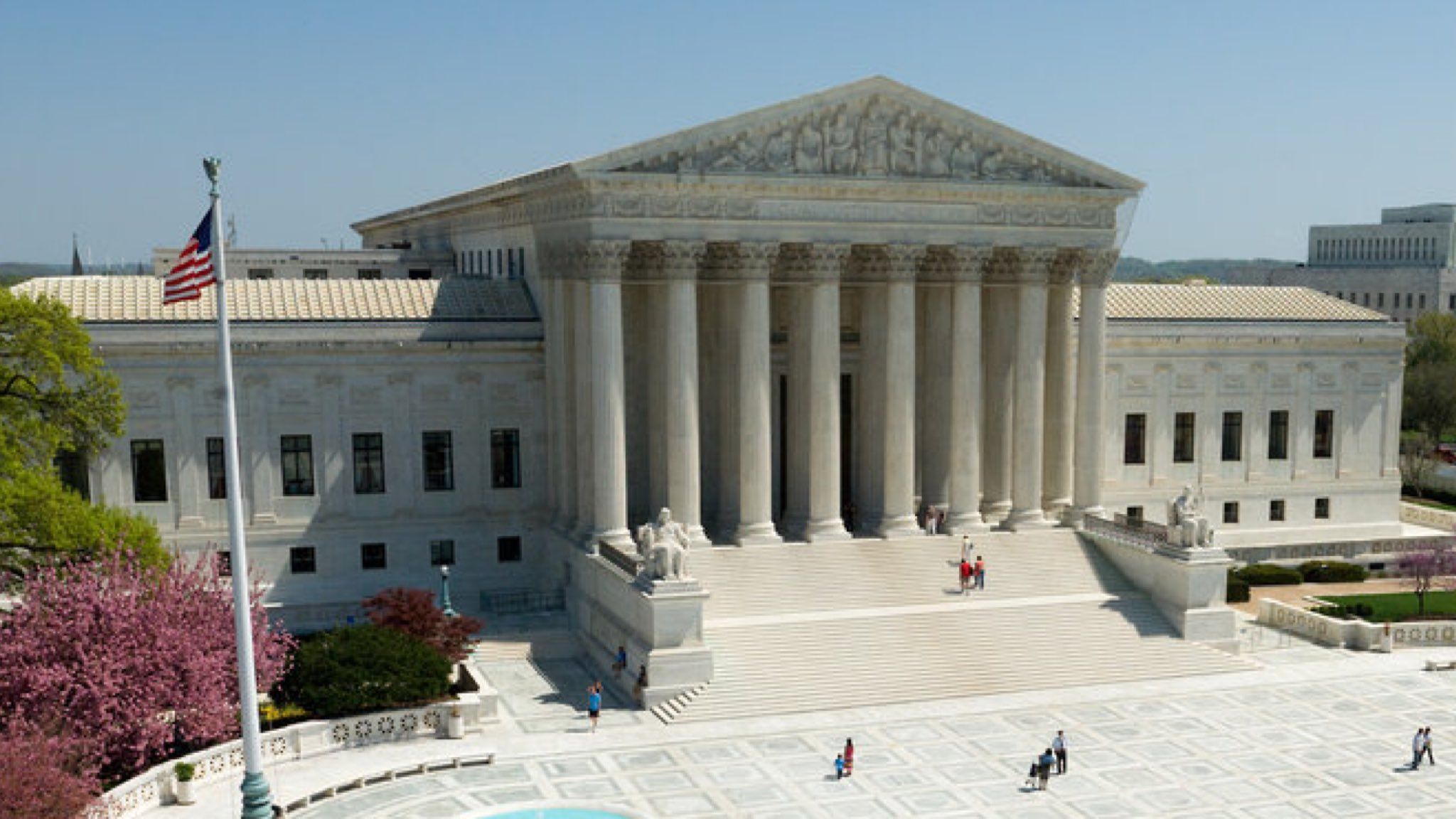
The U.S. Supreme Court delivered a significant victory for immigration enforcement on June 23, 2026, ruling 6-3 in Blanche v. Lau that border officers do not need clear and convincing evidence of a crime at the time of reentry to treat a lawful permanent resident (green card holder) as an applicant for admission. The decision, authored by Justice Clarence Thomas, strengthens the Department of Homeland Security’s tools to address potential criminal activity among returning green card holders and reverses a lower court ruling that had imposed a higher evidentiary burden on officers.
The case centered on Muk Choi Lau, a Chinese national who became a lawful permanent resident in 2007. In May 2012, Lau faced charges in New Jersey for trademark counterfeiting, a crime involving moral turpitude. After a brief trip abroad to China, he attempted to reenter the United States on June 15, 2012. A Customs and Border Protection officer, aware of the pending charge, placed Lau on immigration parole rather than treating him as already admitted. Lau later pleaded guilty in June 2013. DHS then initiated removal proceedings, charging him as inadmissible under the Immigration and Nationality Act for conviction of a crime involving moral turpitude.
An immigration judge and the Board of Immigration Appeals found Lau removable. However, the Second Circuit Court of Appeals vacated the order, holding that border officers must possess clear and convincing evidence of the underlying offense at the moment of reentry before deeming a green card holder an applicant for admission. The Trump administration appealed, arguing that suspicion or an accusation suffices for the initial determination, with full proof of conviction required later in removal proceedings.
Justice Thomas’s majority opinion emphasized the statutory text. Under INA provisions, a lawful permanent resident is generally regarded as seeking admission upon return from temporary travel abroad if they “have committed” an offense listed in the inadmissibility grounds, including crimes involving moral turpitude. The Court clarified that “committed” does not equate to a conviction or demand clear and convincing evidence at the border stage. Officers are tasked with making “quick judgments on the spot,” and the government meets its burden of proof during formal removal hearings, where evidence such as a guilty plea can establish the facts. The ruling vacated the Second Circuit’s judgment and remanded for further proceedings.
Justice Ketanji Brown Jackson dissented, joined by Justices Sonia Sotomayor and Elena Kagan. The dissent argued that the statute requires officers to determine at the border whether an exception to admitted status applies, and that allowing post-entry proof (such as a later conviction) undermines protections for lawful permanent residents and shifts burdens unfairly in removal proceedings.
The decision arrives amid the Trump administration’s broader push to strengthen border security and interior enforcement. It expands executive flexibility in handling returning green card holders with criminal accusations, potentially streamlining deportation processes for those later convicted of serious offenses. Proponents view it as a necessary correction that prioritizes public safety and statutory enforcement over judicially imposed hurdles. Critics, including immigrant advocacy groups, have raised concerns about reduced due process safeguards for long-term residents traveling abroad.
By clarifying that border officers face no heightened evidentiary standard at reentry, the Supreme Court has reinforced the government’s authority to act on reasonable suspicion while reserving definitive adjudications for immigration courts. The ruling is expected to influence ongoing enforcement efforts targeting criminal noncitizens, including green card holders, and underscores the administration’s success in advancing expansive interpretations of immigration law before the high court. Further litigation may clarify application in specific cases, but the core holding stands as a win for streamlined enforcement procedures.
Support Independent Conservative News
RWTNews is independent conservative news — no corporate backing, no agenda driven by advertisers. We rely entirely on readers like you to keep the lights on and the truth coming. If you've found value in what you read here, consider supporting us with a one-time or monthly contribution. Every dollar goes directly toward keeping this site running and growing.
Secured by Stripe. Your payment info is never stored on our servers.