Supreme Court Blocks Trump Mail-Ballot Rules Before Midterms; Alito and Thomas Dissent
The justices left a Boston injunction in place Monday night, stopping a Postal Service rule that would have required states to submit eligible-voter lists and use barcoded ballot envelopes before November.
 Tommy Flynn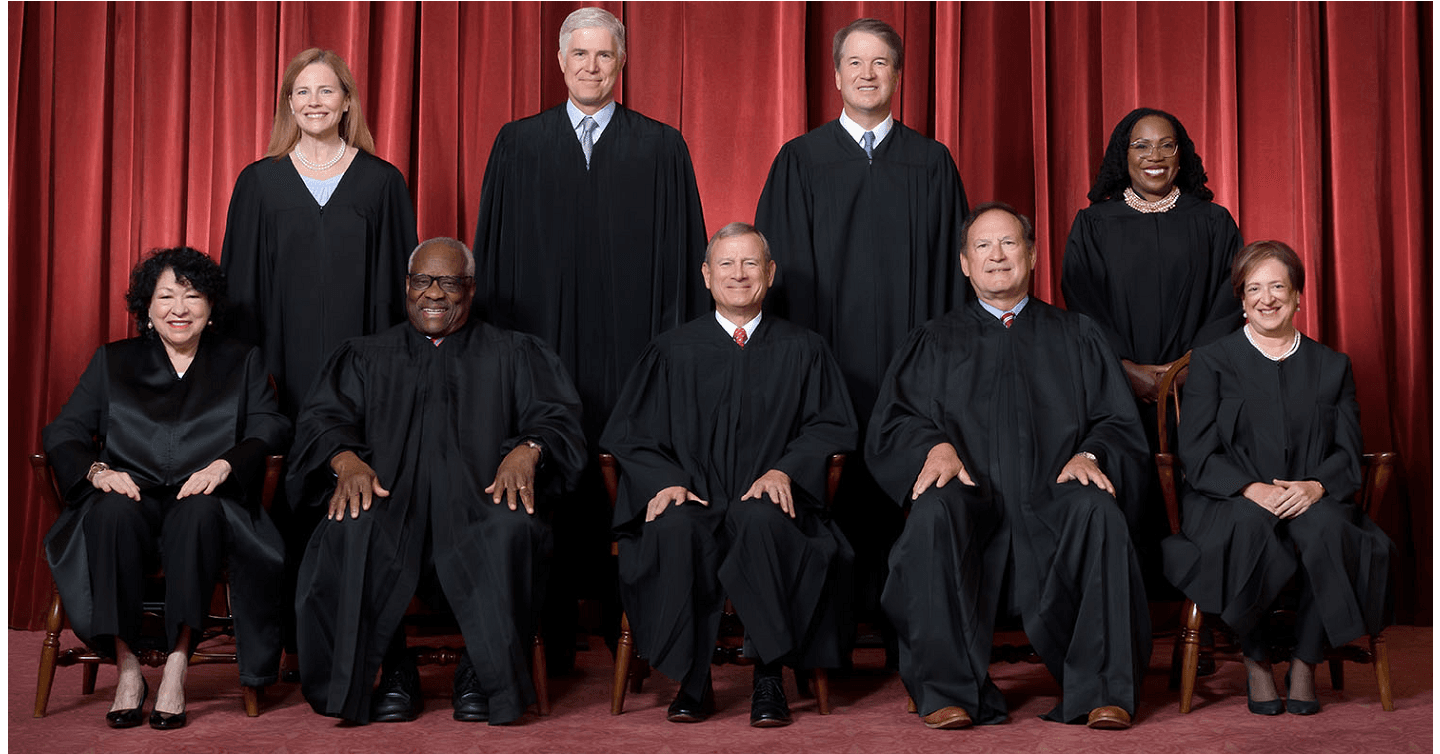
The Supreme Court on Monday refused to let the U.S. Postal Service enforce new mail-ballot handling rules before the Nov. 3 midterms, leaving a nationwide injunction intact less than two months before Election Day.
The unsigned order denied the Justice Department’s emergency request to lift a block issued Sept. 4 by U.S. District Judge Indira Talwani in Boston. A federal appeals court had already declined to stay her order. The high court’s action is a new development in a fight Red, White and True News first covered in July, when the D.C. Circuit allowed a related Postal Service verification policy to proceed. What changed is the later Boston injunction and Monday’s refusal to disturb it for this cycle.
The Postal Service rule grew out of a March executive order from President Donald Trump directing federal agencies to tighten mail-in ballot procedures. Under the measure, states would have been required to provide lists of mail-ballot recipients to USPS and to use agency-approved outbound and return envelopes with unique barcodes. The Postal Service could then refuse to send or process ballots that did not meet those standards or that were tied to names missing from the lists.
Administration lawyers told the court the rule was a mailing standard within the Postal Service’s statutory authority and a tool against ineligible voting. Challengers — states and voting-rights groups — argued it would disrupt ballots already in the pipeline and effectively regulate elections rather than the mail.
Justice Brett Kavanaugh, appointed by Trump, filed a short concurrence agreeing the request should be denied now. He wrote that there is “at least a fair prospect that the final rule falls within the Postal Service’s statutory authority,” but that “state and local election officials do not have sufficient time to reasonably implement the rule before the election.” Applying it in 2026, he said, would be arbitrary and capricious on timing grounds. He left the door open to a later decision on the merits.
Justices Samuel Alito and Clarence Thomas dissented. In an eight-page opinion joined by Thomas, Alito said he would have granted the stay. He described the challengers’ theory as a “Hail Mary pass” the court has said rarely succeeds, and he treated the rule as comparable to ordinary mailing requirements such as an address and a stamp. Alito wrote that even if the measure regulates elections, Congress may authorize such rules under the Elections Clause and by statute may empower the Postal Service to issue them.
None of Trump’s three appointees — Kavanaugh, Neil Gorsuch, and Amy Coney Barrett — recorded a dissent from the denial. Chief Justice John Roberts also did not note disagreement.
North Carolina and Alabama have already begun sending mail ballots. The court’s order does not decide whether the rule is lawful. It only keeps Talwani’s injunction in force while the underlying cases proceed, which means the 2026 midterms will be run under the prior mail-handling system.
Trump has made mail-ballot security a central midterm theme. House Republicans are separately trying to move proof-of-citizenship and photo-ID mandates through budget reconciliation. Monday’s order does not touch those bills. It does close, for this cycle, the administration’s fastest administrative route to changing how the Postal Service treats election mail.
Join the Team
Are you trying to break into news writing but struggling to get published at major outlets? At RWT News, we're always looking for talented, motivated writers who share our commitment to straightforward, factual conservative journalism. If you believe in honest reporting and want real experience and bylines, we'd love to hear from you.
Visit our Join the Team page to learn more and contact us directly.