Starmer Unveils Major UK Defense Overhaul with £15 Billion Boost for Modern Warfare Capabilities
Total defense expenditure under the plan reaches £298 billion ($393 billion) through the end of the decade, raising the annual budget to nearly £80 billion by 2029.
 Tommy Flynn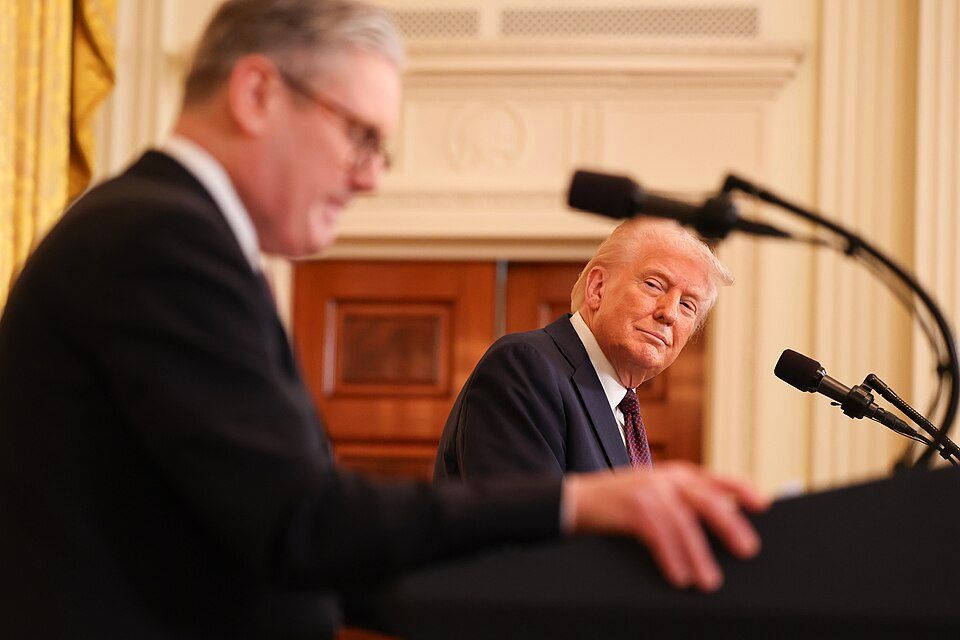
British Prime Minister Keir Starmer announced a comprehensive Defense Investment Plan on June 30, 2026, committing an additional £15 billion ($20 billion) over the next four years to modernize the United Kingdom’s armed forces. The plan represents the largest expansion of Britain’s military since the end of the Cold War, increasing overall defense spending by 27% in real terms by 2030 and positioning the UK among Europe’s leading military powers.
Total defense expenditure under the plan reaches £298 billion ($393 billion) through the end of the decade, raising the annual budget to nearly £80 billion by 2029. This effort puts Britain on track to meet NATO’s 3.5% of GDP target for core defense spending by 2035, with total security outlays potentially reaching 4.2% of GDP. The initiative responds to lessons from conflicts in Ukraine and the Middle East, emphasizing advanced technology to enhance deterrence against evolving threats.
The plan allocates over £5 billion ($6.6 billion) to drones, autonomous weapons, and unmanned systems—the largest such investment in British military history. The Royal Navy will develop a “Hybrid Fleet” integrating traditional warships with autonomous surface and underwater drones. The Army will receive new autonomous combat drones alongside Apache attack helicopters under Project NYX. The Royal Air Force will pursue autonomous fighter aircraft to operate alongside manned jets by 2030. Additional funding strengthens the nuclear deterrent and establishes a £2.1 billion Defense Innovation Fund to accelerate military technology research, including AI and autonomous systems.
Starmer described the investment as essential for security in an increasingly dangerous world. “When the world is arming and aggression is rising, the best way to avoid war is to prepare for it,” he stated. “The best way to defend is to deter—to have the strength to make your adversaries think again before they act.” The prime minister highlighted how the plan would strengthen forces on land, at sea, and in the air with cutting-edge capabilities.
The funding comes amid pressure from U.S. President Donald Trump for NATO allies to increase defense contributions. Starmer’s plan aligns with these calls by boosting spending without new borrowing, instead reallocating from other government investment budgets such as roads and energy projects. NATO Secretary-General Mark Rutte praised it as a positive step toward alliance goals. Industry leaders, including BAE Systems CEO Charles Woodburn, welcomed the commitment for sustaining jobs and skills in the defense sector.
Critics argue the plan falls short of recommendations from defense experts, who had sought nearly double the additional funding. Some retired officers described elements as disguised cost-cutting, warning of potential delays in equipment procurement and strains on training and logistics. Starmer acknowledged that his likely successor would finalize further details.
This revamp signals a strategic shift toward technology-driven forces capable of addressing hybrid and high-intensity conflicts. By prioritizing autonomy, drones, and innovation, the UK aims to multiply combat effectiveness while adapting to resource constraints. The investment supports domestic industry and export potential, reinforcing Britain’s role in European and NATO security.
As global tensions persist, Starmer’s announcement underscores the importance of sustained military readiness. The plan’s focus on deterrence aligns with longstanding conservative principles of strength through preparedness, ensuring the UK can meet threats from state actors and technological advancements in warfare. Further implementation will determine its full impact on national defense posture and alliance commitments.
Support Independent Conservative News
RWTNews is independent conservative news — no corporate backing, no agenda driven by advertisers. We rely entirely on readers like you to keep the lights on and the truth coming. If you've found value in what you read here, consider supporting us with a one-time or monthly contribution. Every dollar goes directly toward keeping this site running and growing.
Secured by Stripe. Your payment info is never stored on our servers.