Senate Passes Bipartisan Permitting Reform Bill 62-33, Sending Measure to House
The Senate approved legislation Thursday night that would accelerate environmental reviews, limit litigation windows, and protect issued permits for energy and infrastructure projects.
 Tommy Flynn
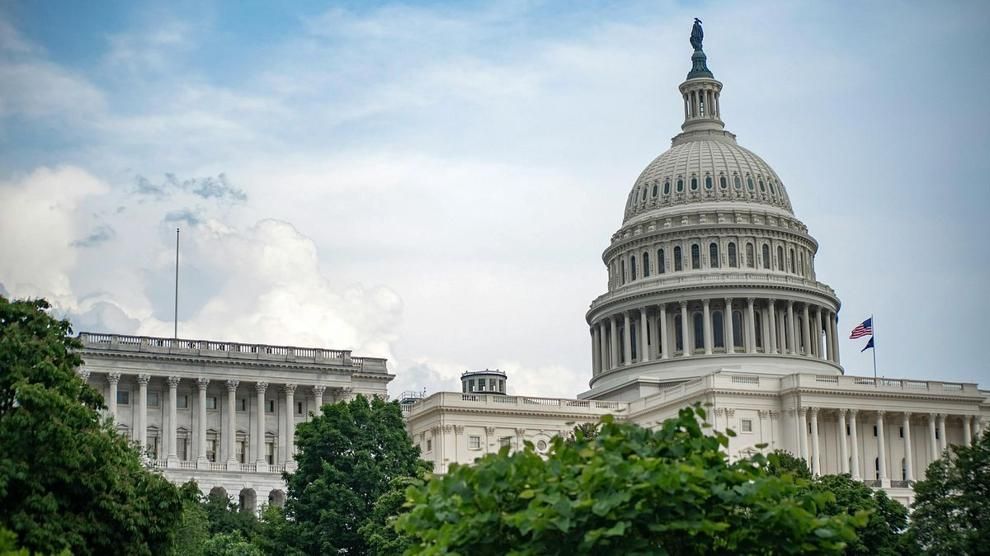
The Senate passed the Bipartisan American Affordability and Jobs Act of 2026 late Thursday by a 62-33 vote, advancing a package designed to shorten federal permitting timelines for energy, transmission, and other infrastructure projects.
Fifteen members of the Democratic caucus joined most Republicans in support. Republican Sens. Josh Hawley of Missouri and Mike Rounds of South Dakota voted no, citing concerns over expanded federal authority on interstate transmission. The bill now moves to the House, where leaders hope to complete action during the remaining weeks of the current Congress before Democratic majorities take both chambers in January.
The legislation, negotiated by Sens. Shelley Moore Capito (R-W.Va.), Mike Lee (R-Utah), Martin Heinrich (D-N.M.), and Sheldon Whitehouse (D-R.I.), revises procedures under the National Environmental Policy Act and related statutes. It tightens review deadlines, shortens the window for legal challenges, makes it harder for agencies to revoke previously issued permits, and expands federal authority over certain interstate electricity transmission projects. It also contains ratepayer protections requiring large electricity loads—specifically data centers with demand of at least 20 megawatts—to cover the cost of grid upgrades and provide financial guarantees rather than shifting those costs to other customers.
Whitehouse has described the bill as having a significant climate and clean-energy effect because faster permitting would enable more projects to reach construction. Capito and other Republican supporters have emphasized reduced delays for oil, gas, nuclear, and other infrastructure. The White House has backed the measure and worked with negotiators.
The vote followed years of intermittent attempts at permitting reform. Rising electricity demand from data centers and broader concerns about energy costs and project delays gave the effort new momentum after the midterms. Senate Majority Leader John Thune called the passage the culmination of years of work.
Whether the House can act before the end of the lame-duck session remains open. Some House Republicans have expressed support for similar language previously considered in that chamber, but attendance and the compressed calendar are practical hurdles. If the House passes a version that differs from the Senate text, the two chambers would need to reconcile the bills before sending a final measure to the president.
Environmental groups and some tribal organizations have opposed portions of the package, arguing it weakens review requirements and consultation rights. Supporters counter that the status quo has produced multi-year delays on projects that both parties have said are needed for energy reliability and economic activity.
The bill does not alter underlying environmental standards but changes the process by which those standards are applied and challenged. Data-center provisions reflect the political reality that large new loads have become a flashpoint in multiple states over electricity rates.
Passage gives the current Congress a concrete opportunity to enact process reforms before the January change in majorities. The House schedule and any amendments will determine whether the measure reaches the president’s desk.
Support Independent Conservative News
RWTNews is independent conservative news — no corporate backing, no agenda driven by advertisers. We rely entirely on readers like you to keep the lights on and the truth coming. If you've found value in what you read here, consider supporting us with a one-time or monthly contribution. Every dollar goes directly toward keeping this site running and growing.
Secured by Stripe. Your payment info is never stored on our servers.