Senate Democrats Leave Door Open to Eliminating the Filibuster After Midterm Wins
With majorities in both chambers secured, Democratic senators say the 60-vote threshold must be “on the table”; Sen. Andy Kim warns the change is a double-edged sword, while leadership challenger Chris Van Hollen calls the filibuster anti-democratic.
 Tommy Flynn
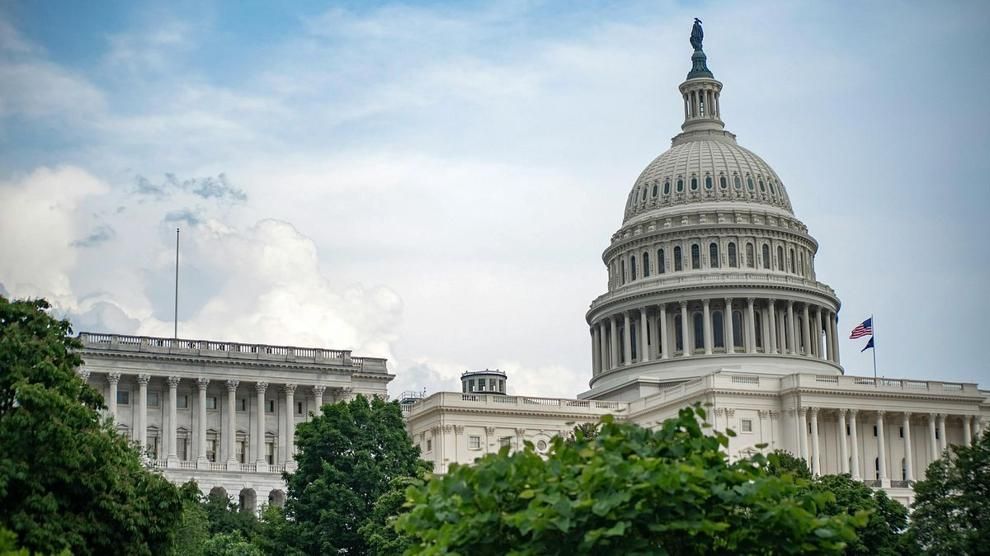
Democratic senators are openly discussing elimination of the Senate filibuster as the party prepares to take control of both chambers in January. Sen. Ed Markey of Massachusetts told Fox News Digital that the 60-vote requirement “has to be on the table.” Sen. Andy Kim of New Jersey cautioned that the move “can be very much a double-edged sword.”
“I’m not saying that’s to deter us from doing it if we decide to do it. But I wanna make sure that everyone’s clear-eyed about what we’re doing,” Kim said. Scrapping the threshold would allow most legislation to advance with a simple majority, removing the minority’s ability to block bills. The same rule change would benefit Republicans if they regain the majority later.
Sen. Chris Van Hollen of Maryland, who announced a challenge to Chuck Schumer for majority leader, has described the filibuster as an “anti-democratic … provision” not found in the Constitution. “It was put in there by senators to enhance their power over the power of the people,” Van Hollen said. Schumer has not committed to eliminating it.
President Trump previously urged Senate Republicans to abolish the filibuster to pass the SAVE America Act and other priorities, warning that Democrats would do so once they held the majority. That prediction is now being tested. Democrats captured at least eight Senate seats in the November 3 midterms, securing control for the 120th Congress.
Kim suggested the caucus should first attempt to pass legislation “through other means” before changing rules. Markey indicated the party is currently discussing its progressive agenda and will evaluate strategy. Incoming majorities typically face pressure from their base to deliver quickly; removing the filibuster would accelerate that process but also remove a long-standing institutional check.
Republicans used the filibuster extensively under Democratic presidents and defended it when in the minority. Democrats previously eliminated it for most nominations. Expanding the change to legislation would represent a further step. No formal vote has been scheduled; the discussion itself signals that the option is under active consideration as Democrats plan their January agenda.
Critics of elimination argue it concentrates power and reduces deliberation. Supporters contend the 60-vote rule already functions as a minority veto that prevents majority rule on major issues. With both chambers and a presidential veto available until 2029, the practical effect in the near term would still require overcoming the White House on most significant bills. The statements nonetheless mark a clear opening for rule changes once the new Congress convenes.
Join the Team
Are you trying to break into news writing but struggling to get published at major outlets? At RWT News, we're always looking for talented, motivated writers who share our commitment to straightforward, factual conservative journalism. If you believe in honest reporting and want real experience and bylines, we'd love to hear from you.
Visit our Join the Team page to learn more and contact us directly.